Greek
Greek  English
  Arabic
  German
  French
  Indonesian
  Russian
  Italian
  Czech
Czech  Dutch
Dutch  Finnish
  Turkish
  Spanish
  Portuguese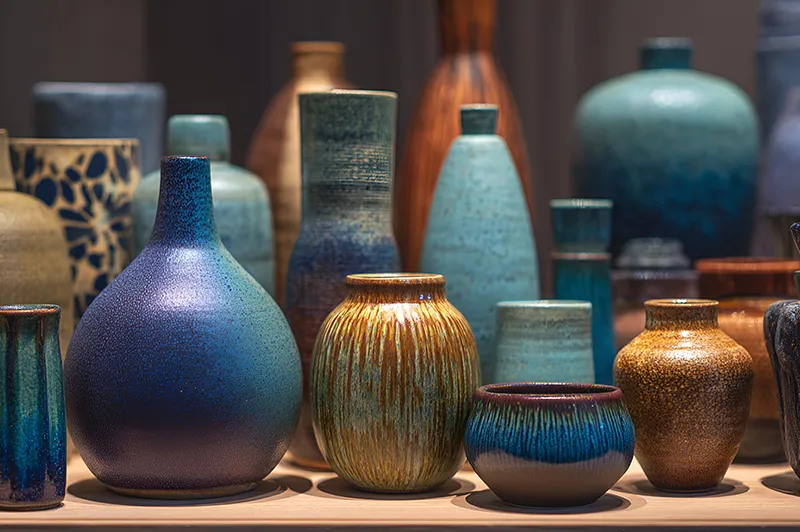
Ⅰ.Εισαγωγή
Στο κεραμικά παραγωγής, ο ακριβής έλεγχος της διαδικασίας καθορίζει άμεσα την ποιότητα και την απόδοση του τελικού προϊόντος. HPMC (υδροξυπροπυλομεθυλοκυτταρίνη), ως βασικό λειτουργικό πρόσθετο, παρέχει πολυδιάστατες και συστηματικές λύσεις για τη σύγχρονη κεραμική κατασκευή με τις μοναδικές τεχνικές του ιδιότητες. Μέσω της ακριβούς παρέμβασης στο σώμα, στο γάνωμα και σε ολόκληρη τη ροή της διαδικασίας, επιτυγχάνει τη βελτιστοποίηση της απόδοσης της πλήρους αλυσίδας από την επεξεργασία της πρώτης ύλης έως την όπτηση του τελικού προϊόντος.
Ⅱ.Γιατί η HPMC έχει γίνει ένα απαραίτητο πολυλειτουργικό συστατικό στην παραγωγή κεραμικών;
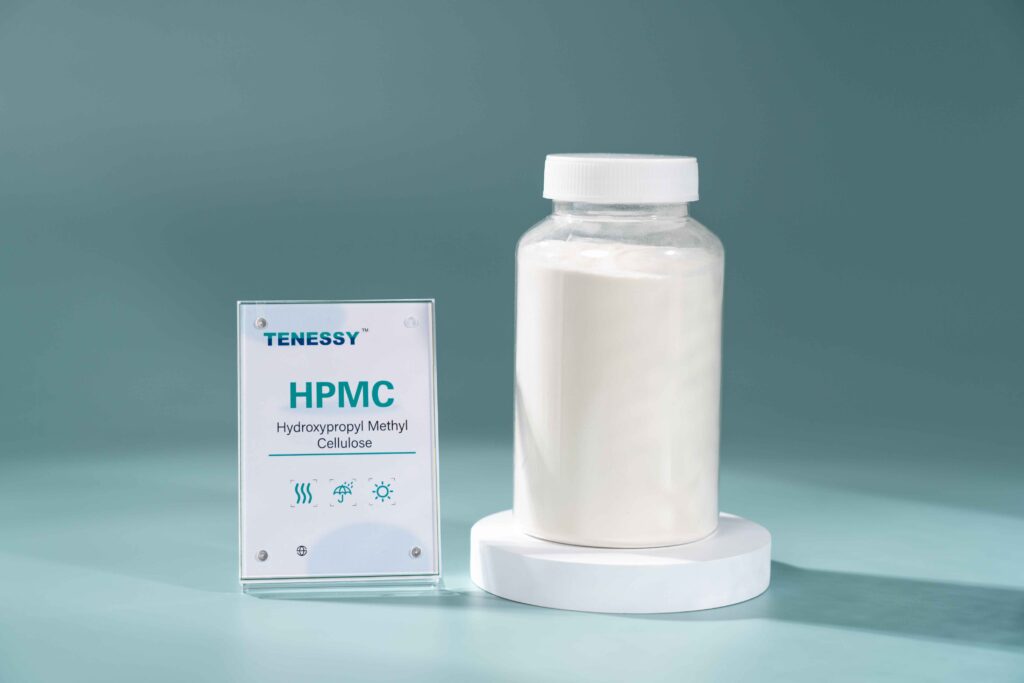
Η HPMC είναι ένα μη ιονικό αιθέρας κυτταρίνης. Με τις μοναδικές φυσικές και χημικές ιδιότητές του, επιδεικνύει αναντικατάστατη αξία στα κεραμικά συστήματα:
Εξαιρετική συγκράτηση νερού και λιπαντικότητα: Κλειδώνει αποτελεσματικά την υγρασία του πηλού, επιβραδύνει την ξήρανση και αποτρέπει την παραμόρφωση και τις ρωγμές που προκαλούνται από την ανομοιόμορφη κατανομή της υγρασίας. Οι εξαιρετικές λιπαντικές του ιδιότητες βελτιώνουν σημαντικά την πλαστικότητα και την αίσθηση διαμόρφωσης του πηλού.
Ισχυρή δύναμη δέσμευσης: Αυξάνει σημαντικά την ξηρή αντοχή του πράσινου σώματος μέσω των διαμοριακών δυνάμεων, μειώνοντας τα ποσοστά θραύσης κατά το χειρισμό, το κλάδεμα και την υάλωση.
Καλή ικανότητα σχηματισμού φιλμ: Σχηματίζει ένα ομοιόμορφο φιλμ στον πολτό υαλώματος, βελτιώνοντας την ποιότητα της επιφάνειας του υαλώματος.
Χημική αδράνεια και ασφάλεια: Δεν αντιδρά αρνητικά με άλλα συστατικά του κεραμικού συστήματος και είναι ένα πράσινο και φιλικό προς το περιβάλλον υλικό που ανταποκρίνεται στα σύγχρονα πρότυπα παραγωγής.
Ⅲ. Πώς ενισχύει η HPMC κάθε στάδιο της διαδικασίας παραγωγής κεραμικών;
Πράσινο στάδιο βελτίωσης σώματος: Από "εύθραυστο" σε "σκληρό"
Δράση: Η προσθήκη της κατάλληλης ποσότητας HPMC κατά τα στάδια της σκύψης και της μορφοποίησης μπορεί να βελτιώσει σημαντικά την πλαστικότητα και την ευκαμψία του πηλού, καθιστώντας τις διαδικασίες όπως η ρίψη, η εξώθηση ή η ξηρή συμπίεση πιο ομαλές.
Αποτέλεσμα: Η αντοχή του αποξηραμένου πράσινου σώματος μπορεί να αυξηθεί κατά 30%-50%, μειώνοντας σημαντικά τον κίνδυνο θραύσης σε επόμενα στάδια. Αυτό είναι ιδιαίτερα κρίσιμο για μεγάλα, ειδικού σχήματος ή λεπτών τοιχωμάτων κεραμικά προϊόντα.
Στάδιο σταθεροποίησης ξήρανσης: "Ραγίσματα" & "στρεβλώσεις"
Δράση: Η HPMC ρυθμίζει τον ρυθμό εξάτμισης της υγρασίας, επιτρέποντας στο σώμα να στεγνώσει ομοιόμορφα από μέσα προς τα έξω. Οι ιδιότητες συγκράτησης νερού που διαθέτει, αντισταθμίζουν αποτελεσματικά το στρες συρρίκνωσης που προκαλείται από την ταχεία απώλεια νερού.
Αποτέλεσμα: Η σημαντική μείωση της συχνότητας εμφάνισης ελαττωμάτων ξήρανσης (όπως ρωγμές και στρεβλώσεις) και η βελτίωση του ποσοστού χαρακτηρισμού του πράσινου σώματος αποτελούν εγγυήσεις για την παραγωγή υψηλής ποιότητας κεραμικών τέχνης και βιομηχανικών κεραμικών ακριβείας.
Στάδιο βελτιστοποίησης υάλου: Γάνωμα: Δημιουργία της "τέλειας" επιφάνειας
Δράση: Η προσθήκη της HPMC στον πολτό του γάνωματος χρησιμεύει ως εξαιρετικός αιωρούμενος παράγοντας και τροποποιητής ρεολογίας.
Αποτρέπει την καθίζηση: Εξασφαλίζει ότι τα συστατικά του υαλώματος παραμένουν ομοιόμορφα σε αιώρηση, αποφεύγοντας τις χρωματικές διαφορές και τον διαχωρισμό των συστατικών.
Ρυθμίζει τη ρεολογία: Παρέχει κατάλληλη θιξοτροπία και ιξώδες, καθιστώντας τον πολτό υάλου εύκολο να ψεκαστεί, να βουτήξει ή να βουρτσιστεί και επιτρέποντας το σχηματισμό στρώματος υάλου ομοιόμορφου πάχους χωρίς σημάδια τρεξίματος.
Ενισχύει την προσκόλληση: Βελτιώνει την πρόσφυση του υαλώματος στο σώμα, αποτρέποντας το "σκασίματα" ή το ξεφλούδισμα πριν από την όπτηση.
Αποτέλεσμα: Επιτυγχάνει μια τελική επιφάνεια γάνωμα που είναι λεία, ομοιόμορφα χρωματισμένη και έχει υφή υψηλής ποιότητας.
Ⅳ. Πώς να επιλέξετε επιστημονικά την HPMC;
Η επιλογή της HPMC για την παραγωγή κεραμικών δεν είναι μονοσήμαντη και χρειάζεται προσαρμογή ανάλογα με τη συγκεκριμένη διαδικασία:
Επιλογή ιξώδους:
Τύπος υψηλού ιξώδους: Επικεντρώνεται περισσότερο στην ενίσχυση της δύναμης του πράσινου σώματος και της κατακράτησης νερού. Κατάλληλο για πηλό που απαιτεί υψηλή πλαστικότητα ή σενάρια που απαιτούν υψηλή αντοχή του πράσινου.
Τύπος μέσου-χαμηλού ιξώδους: Επικεντρώνεται περισσότερο στην παροχή λίπανσης και στη βελτίωση της ρευστότητας του υαλώματος, καθιστώντας το κατάλληλο για εφαρμογές που απαιτούν υψηλά επίπεδα αίσθησης του καλουπιού και ομαλότητα του υαλώματος.
Δοσολογία: Η τυπική ποσότητα προσθήκης είναι 0,1%-0,5% του ξηρού βάρους της κεραμικής παρτίδας. Η υπερβολική προσθήκη μπορεί να καθυστερήσει την ξήρανση και να επηρεάσει την όπτηση- η βέλτιστη αναλογία πρέπει να προσδιοριστεί μέσω πειραματισμού.
Διαδικασία διάλυσης: Συνιστάται η διασπορά και η διάλυση σε κρύο νερό για να αποφευχθεί η συσσωμάτωση. Μπορεί να προετοιμαστεί ως διάλυμα εκ των προτέρων και στη συνέχεια να προστεθεί ομοιόμορφα στον πηλό ή στο γλάσο.
Ⅴ. Συμπέρασμα
Συγκεκριμένα, η HPMC, μέσω της αλληλεπίδρασης μεταξύ των υδρόφιλων ομάδων στις μοριακές αλυσίδες της και των κεραμικών σωματιδίων, μπορεί να ενισχύσει σημαντικά την πλαστικότητα του πηλού και την αντοχή του πράσινου σώματος, καταστέλλοντας αποτελεσματικά τον κίνδυνο ρηγμάτωσης και παραμόρφωσης κατά την ξήρανση. Στο σύστημα υάλου, δρα ως αποτελεσματικός τροποποιητής ρεολογίας και σταθεροποιητής εναιωρήματος, εξασφαλίζοντας ομοιόμορφη εφαρμογή υάλου και ομαλή, επίπεδη επιφάνεια υάλου. Η τεχνική του αξία αντικατοπτρίζεται όχι μόνο στη βελτίωση των επιμέρους βημάτων αλλά κυρίως στη συστηματική ενίσχυση της συνολικής σταθερότητας και συνοχής της διαδικασίας παραγωγής κεραμικών.
Ως επαγγελματίας κατασκευαστής αιθέρες κυτταρίνης, ΔΕΝΤΕΣ συμμετέχει ενεργά στον κλάδο εδώ και πολλά χρόνια, δεσμευόμενη σταθερά να παρέχει στην παγκόσμια κεραμική βιομηχανία λύσεις HPMC υψηλής ποιότητας και σταθερότητας. Η σειρά προϊόντων μας είναι προσεκτικά σχεδιασμένη. Στοχεύοντας στις διαφορετικές απαιτήσεις διεργασιών της παραγωγής κεραμικών, έχουμε αναπτύξει διάφορες προδιαγραφές και μοντέλα που μπορούν να ανταποκριθούν με ακρίβεια στο πλήρες φάσμα των τεχνικών απαιτήσεων, από τη διαμόρφωση πλαστικού έως τη βελτιστοποίηση του υαλώματος. Η εταιρεία είναι εξοπλισμένη με προηγμένα εγκαταστάσεις παραγωγής και ένα αυστηρό σύστημα ποιοτικού ελέγχου, διασφαλίζοντας ότι κάθε παρτίδα προϊόντων παρέχει αξιόπιστη εγγύηση απόδοσης για την παραγωγή κεραμικών των πελατών μας. Ανυπομονούμε να συνεργαστούμε με περισσότερες κεραμικές επιχειρήσεις. Μέσω της συνεχούς τεχνολογική καινοτομία και τη βελτιστοποίηση των προϊόντων, στοχεύουμε να προωθήσουμε από κοινού την πρόοδο και την αναβάθμιση των διαδικασιών κατασκευής κεραμικών.