

 Spanish
  English
  Arabic
  German
  French
  Indonesian
  Russian
  Italian
  Czech
Czech  Dutch
Dutch  Finnish
  Turkish
  Greek
Greek  Portuguese
 HEC para adhesivos para baldosas
- Inicio
- "
- Industrias y aplicaciones
- "
- Adhesivo para baldosas
- "
- HEC para adhesivos para baldosas
Hidroxietilcelulosa para adhesivos de colocación: Mejorar la adherencia y la eficacia de la construcción
Los adhesivos para baldosas se utilizan ampliamente en la construcción moderna para la colocación de baldosas de cerámica, gres porcelánico, mármol y piedra. En comparación con el mortero tradicional de cemento y arena, los adhesivos para baldosas ofrecen una unión más fuerte, una mejor consistencia y una aplicación más sencilla. Sin embargo, para conseguir un rendimiento estable y una buena trabajabilidad in situ, las fórmulas de los adhesivos para baldosas dependen en gran medida de los aditivos funcionales.
Uno de los aditivos más importantes en los adhesivos para baldosas es Hidroxietilcelulosa (HEC). Como éter de celulosa versátil, el HEC desempeña un papel clave en la mejora de la retención de agua, la trabajabilidad, el tiempo abierto y el rendimiento general de la aplicación. En este artículo, explicaremos qué es el HEC, cómo funciona en los adhesivos para baldosas y por qué es un componente esencial en los sistemas adhesivos para baldosas de alta calidad.
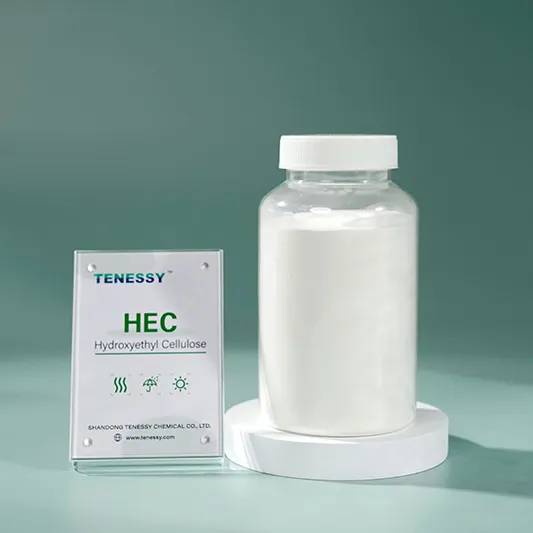
¿Qué es la hidroxietilcelulosa?
La hidroxietilcelulosa (HEC) es una polímero no iónico soluble en agua derivado de la celulosa natural. Tras su modificación química, la celulosa adquiere excelentes propiedades espesantes y de retención de agua, sin dejar de ser respetuosa con el medio ambiente y segura de manipular.
En materiales de construcción de mezcla secaHEC se suministra como polvo blanco, fluido. Se disuelve fácilmente en agua para formar una solución transparente o ligeramente turbia con viscosidad estable. Dado que el HEC no es iónico, presenta una buena compatibilidad con el cemento, las cargas, los polímeros y otros aditivos utilizados habitualmente en las formulaciones de adhesivos para baldosas.
Funciones clave del HEC en los adhesivos para baldosas

1. Excelente retención de agua
La retención de agua es una de las funciones más importantes del HEC en los adhesivos para baldosas. Durante la aplicación, el cemento necesita agua suficiente para hidratarse completamente y desarrollar resistencia. Si el agua es absorbida demasiado rápido por el sustrato o se evapora demasiado rápido, el adhesivo puede perder fuerza de adhesión.
El HEC forma una red de retención de agua en el interior del mortero adhesivo. Esta red frena la pérdida de agua y garantiza una hidratación suficiente del cemento, incluso cuando las baldosas se aplican sobre soportes muy absorbentes, como bloques de hormigón o placas de cemento. Una mejor hidratación se traduce en una mayor fuerza de adherencia y durabilidad.
2. Mejora de la trabajabilidad y la consistencia
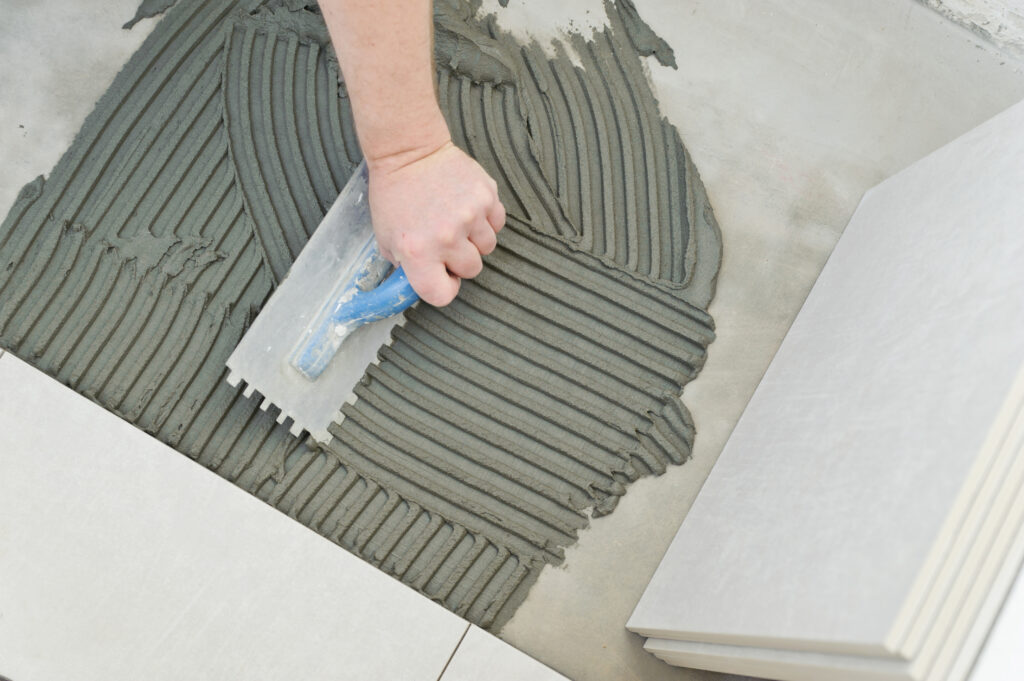
El HEC mejora significativamente la trabajabilidad de los adhesivos para baldosas. Una vez mezclado con agua, el HEC aumenta la viscosidad y confiere al mortero una textura suave y cremosa. Esto hace que el adhesivo sea más fácil de mezclar, extender y peinar con una llana dentada.
Una buena trabajabilidad reduce la fatiga laboral y ayuda a los trabajadores a conseguir un espesor y una cobertura uniformes. También minimiza el desperdicio de material y mejora la eficiencia de la construcción en la obra.
3. Tiempo de apertura ampliado
El tiempo abierto se refiere al periodo durante el cual las baldosas pueden colocarse en el adhesivo después de haberlo extendido. Un tiempo abierto adecuado es crucial para la correcta colocación y ajuste de las baldosas.
Al retener el agua y controlar la evaporación, el HEC prolonga el tiempo abierto de los adhesivos para baldosas. Esto permite a los instaladores una mayor flexibilidad, especialmente cuando trabajan en condiciones calurosas, secas o ventosas. Un tiempo abierto más prolongado reduce el riesgo de mala adherencia causada por el despellejamiento de la superficie.
4. Reducción del deslizamiento de las baldosas
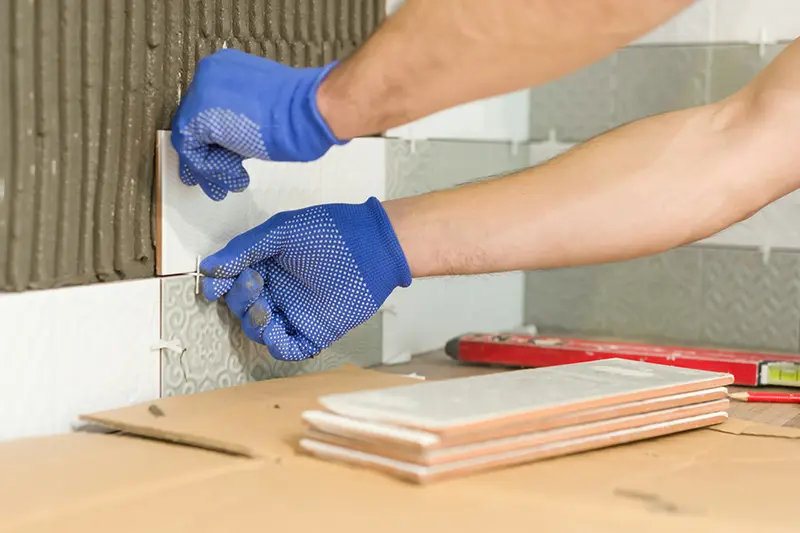
En las aplicaciones de revestimientos cerámicos, el deslizamiento de las baldosas es una preocupación común. Si el adhesivo no tiene suficiente viscosidad y límite elástico, las baldosas pueden deslizarse después de la colocación.
El HEC aumenta la cohesión interna del mortero adhesivo, ayudando a que las baldosas permanezcan en su posición tras la instalación. Este efecto antideslizante es especialmente importante en baldosas de gran formato y superficies verticales.
Por qué los adhesivos para baldosas necesitan HEC
Los adhesivos para baldosas deben cumplir varios requisitos de rendimiento al mismo tiempo:
- Fácil de mezclar con agua
- Extender suavemente con una llana
- Tiempo abierto suficiente para el ajuste de las baldosas
- Gran fuerza de adhesión tras el curado
- Reducción del deslizamiento de las baldosas, especialmente en superficies verticales
Sin los aditivos adecuados, los adhesivos cementosos para baldosas pueden perder agua con demasiada rapidez, lo que provoca una mala hidratación, una unión débil y una aplicación difícil. HEC ayuda a resolver estos problemas mejorando las propiedades en estado fresco de los adhesivos para baldosas, al tiempo que favorece el rendimiento a largo plazo.
Rendimiento de la aplicación respaldado por las propiedades del producto
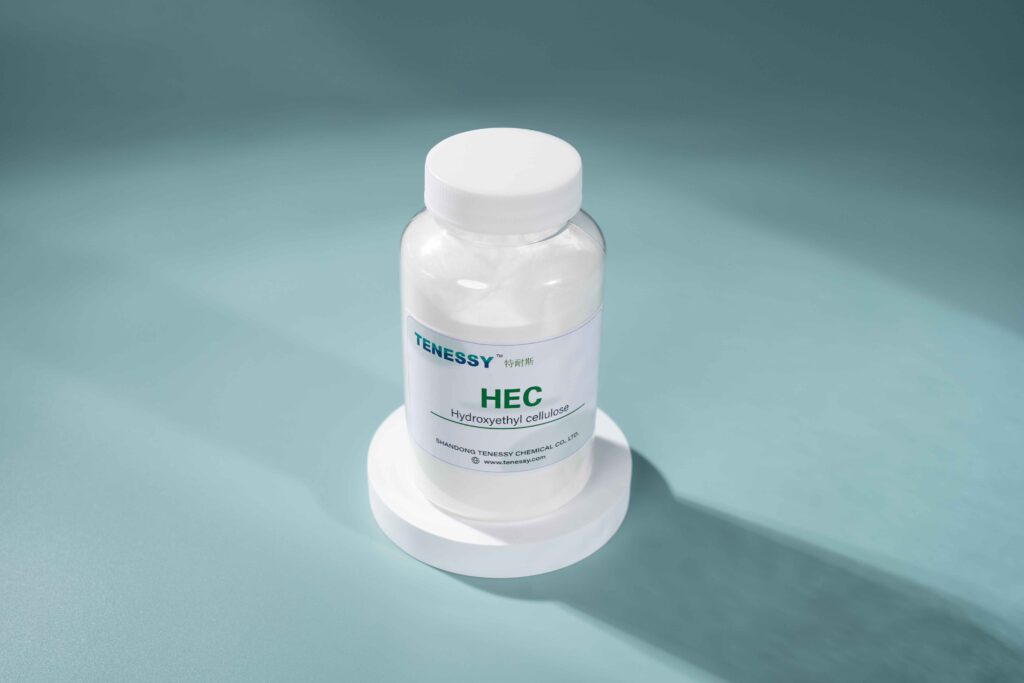
El rendimiento del HEC en los adhesivos para baldosas está estrechamente relacionado con sus características físicas y químicas:
- Apariencia: Polvo blanco, fluido, fácil de mezclar en mezclas secas
- Viscosidad gama: Desde grados de viscosidad bajos a muy altos, lo que permite un diseño de formulación flexible para diferentes tipos de adhesivos para baldosas
- Partículas tamaño: Las partículas finas garantizan una dispersión rápida y un rendimiento uniforme
- pH (6,0-8,5): Compatible con sistemas a base de cemento
- Bajo contenido de humedad: Garantiza una buena estabilidad de almacenamiento y una calidad constante
Seleccionando el grado de viscosidad adecuado, los formuladores pueden optimizar los adhesivos para baldosas estándar, baldosas de gran formato, aplicaciones de pared o requisitos especiales de rendimiento.
Ventajas del uso de HEC en adhesivos para baldosas
El uso de HEC en formulaciones de adhesivos para baldosas ofrece varias ventajas:
- Mejora la retención de agua y la hidratación del cemento
- Mejora la extensión, el fratasado y la sensación de aplicación
- Prolonga el tiempo abierto para una instalación más segura
- Reduce el deslizamiento de las baldosas en superficies verticales
- Mejora la consistencia y la estabilidad de la formulación
- Permite obtener resultados de construcción fiables y de alta calidad
Estas ventajas hacen del HEC un aditivo esencial para los modernos sistemas adhesivos para baldosas que cumplen las normas internacionales de calidad.
Aplicaciones típicas de Tenessy HEC
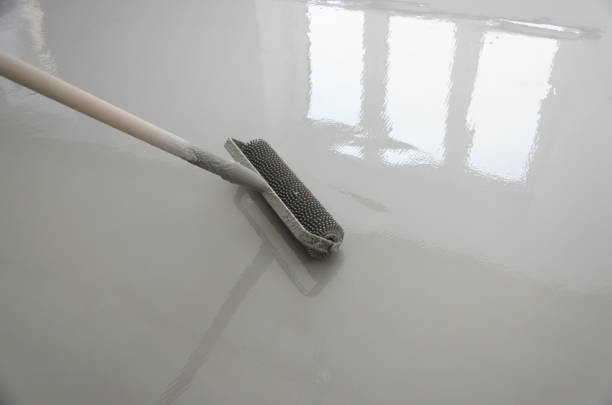
El HEC se utiliza ampliamente en diferentes tipos de morteros, entre ellos:



Conclusión
La hidroxietilcelulosa (HEC) desempeña un papel fundamental en el rendimiento de los adhesivos para baldosas. Al mejorar la retención de agua, la trabajabilidad, el tiempo abierto y las propiedades antideslizantes, la HEC ayuda a los adhesivos para baldosas a ofrecer una unión fuerte y una aplicación fácil en diversas condiciones de construcción.
Para los fabricantes y formuladores de aditivos para la construcción, elegir el grado adecuado de HEC es clave para desarrollar productos adhesivos para baldosas fiables y de alto rendimiento. Con una formulación adecuada, el HEC permite que los adhesivos para baldosas satisfagan las crecientes demandas de eficiencia, durabilidad y facilidad de uso de la construcción moderna.