Turkish
  English
  Arabic
  German
  French
  Indonesian
  Russian
  Italian
  Czech
Czech  Dutch
Dutch  Finnish
  Greek
Greek  Spanish
  Portuguese
Hızla gelişen dünyada i̇nşaat malzemeleri̇beton katkı teknolojisi, beton yapıların performansını, dayanıklılığını ve verimliliğini belirlemede belirleyici bir rol oynamaktadır. Tüm süperakışkanlaştırıcı kategorileri arasında, Polikarboksilat Eter (PCE) Süper Akışkanlaştırıcılar en gelişmiş ve yaygın olarak benimsenen nesil olarak ortaya çıkmıştır. Olağanüstü su azaltma kabiliyetleri, üstün çökme tutma özellikleri ve özel olarak tasarlanmış moleküler tasarımları, aşağıdaki gibi geleneksel teknolojilerden önemli ölçüde daha iyi performans göstermektedir naftali̇n bazli, melamin bazlıve sülfonlu yüksek menzilli su azaltıcılar.
Altyapı talepleri daha karmaşık ve kalite standartları daha katı hale geldikçe PCE süperakışkanlaştırıcılar ve geleneksel yüksek menzilli su azaltıcılar, güvenilir, yüksek performanslı ve sürdürülebilir çözümler arayan hazır karışım üreticileri, prekast üreticileri, mühendisler, yükleniciler ve proje sahipleri için çok önemlidir.
Bu makale, bu iki kategorinin kapsamlı ve derinlemesine bir karşılaştırmasını sunmakta, yapısal ilkeleri, performans avantajlarını, uygulama özelliklerini ve ekonomik avantajları vurgulamaktadır.
Ⅰ.Moleküler Yapı: Modern Mühendislik ve Geleneksel Kimya
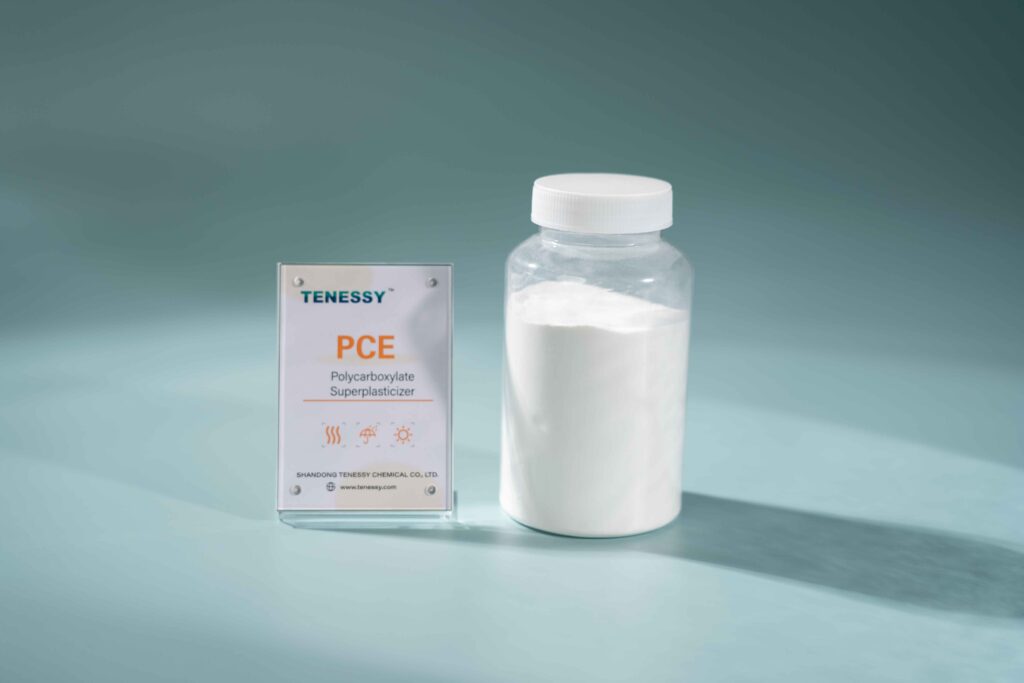
Polikarboksilat Süperplastikleştiriciler (PCE'ler)
PCE'ler bir yüksek mühendislik ürünü tarak şekilli moleküler yapı polieter yan zincirleri ile uzun bir omurgadan oluşur. Bu benzersiz konfigürasyon şunları sağlar:
- Sterik engel dispersiyonuçimento parçacıklarının en iyi şekilde ayrılmasını sağlar
- Kontrollü adsorpsiyon davranışıayarlanabilir işlenebilirlik ve çökme tutma sağlar
- Hassas moleküler özelleştirmePCE'lerin farklı çimentolar, agregalar ve proje gereksinimleri için uyarlanmasını mümkün kılar
Yapıları moleküler düzeyde uyarlanabildiğinden, üreticiler aşağıdaki gibi belirli özelliklere sahip PCE ürünleri üretebilirler:
- Yavaş salınımlı çökme tutma
- Hızlı erken güç gelişimi
- Düşük viskoziteli akış performansı
- Tamamlayıcı çimentolu malzemelerle (SCM'ler) uyumluluk
Geleneksel Yüksek Menzilli Su Düşürücüler
Geleneksel katkılar (örneğin SNF, SMF, lignosülfonatlar) çimento partiküllerini dağıtmak için esas olarak elektrostatik itmeye dayanır. Doğrusal yapıları sınırlı modifikasyon potansiyeline sahiptir, bu da aşağıdakilere neden olur:
- Daha hızlı çökme kaybı
- Daha düşük su azaltma kapasitesi
- Modern beton karışım tasarımlarına daha az uyarlanabilirlik
Sonuç: PCE'lerin moleküler avantajı, üstün performanslarının temelini oluşturur.
Ⅱ.Su Azaltma Verimliliği: Daha Az Su ile Daha Yüksek Mukavemet Elde Etmek
Bir süperakışkanlaştırıcının birincil işlevi, işlenebilirliği korurken su ihtiyacını azaltmaktır.
PCE Süper Akışkanlaştırıcılar
- Tipik su azaltımı: 25-35%
- Premium formülasyonlar: 40-45%'ye kadar
- İyileştirilmiş çimento hidratasyonu ve mikroyapı oluşumu
- Her yaşta geliştirilmiş basınç dayanımı
Geleneksel Yüksek Menzilli Su Düşürücüler
- Tipik su azaltımı: 15-20%
- Düşük su-çimento oranlarında sınırlı performans
- Yoğun, yüksek dayanımlı beton üretiminde daha az etkili
Etki: Daha yüksek su azaltımı, doğrudan daha iyi mukavemet, daha düşük geçirgenlik ve daha iyi uzun vadeli dayanıklılık anlamına gelir - modern altyapı, endüstriyel zeminler ve yüksek yapılar için gereklidir.
Ⅲ. Çökme Tutma: Modern İnşaat İhtiyaçları için Stabilite
Beton işlenebilirliği nakliye, yerleştirme ve bitirme sırasında sabit kalmalıdır.
PCE Katkılarının Avantajları
PCE'ler şu konularda üstündür uzun ömürlü çökme tutmaözellikle de:
- Uzun mesafelere taşınan hazır beton
- Tutarlı reoloji gerektiren toplu dökümler
- Kendiliğinden yerleşen beton (SCC) ve beton pompalama
- Sıcak iklim koşulları
Kontrollü moleküler adsorpsiyonları, zaman içinde dağılan zincirlerin serbest kalmasını sağlayarak ayrışma olmadan akışkanlığı korur.
Geleneksel Redüktörlerin Sınırlamaları
- Hızlı çökme kaybı
- Sahada daha yüksek yeniden dozlama riski
- Yüksek çimento veya SCM içerikli karışımlarda tutarsız davranış
Fayda: PCE'ler işçilik maliyetlerini azaltır, değişkenliği en aza indirir ve istikrarlı, öngörülebilir performans sağlar.
Ⅳ. Karışım Tasarımında Uyumluluk ve Esneklik
Beton teknolojisi ilerledikçe karışım tasarımları da daha sofistike hale gelmiştir.
PCE Süper Akışkanlaştırıcılar
PCE'ler ile son derece uyumludur:
- Çeşitli sınıflarda portland çimentosu
- Uçucu kül, cüruf, silis dumanı ve kireçtaşı tozu
- Yüksek performanslı betonlar (HPC) ve ultra yüksek performanslı betonlar (UHPC)
- Hızlı dayanım kazanımı gerektiren prekast ve öngerilmeli beton
- Kendiliğinden yerleşen ve pompalanabilen betonlar
Geleneksel Redüktörler
- Karışımlı çimentolarla sınırlı uyumluluk
- Düşük su-çimento oranlarına zayıf adaptasyon
- Yüksek performanslı veya mühendislik ürünü betonlarda sınırlı kullanım
Ⅴ. Reolojik Performans: Ayrışma Olmadan Akışkanlık
Beton reolojisi, betonun akış davranışını ifade eder.
PCE Avantajları
Üretir pürüzsüz, uyumlu ve istikrarlı Karışım
- Viskoziteyi azaltır, pompalanabilirliği artırır
- SCC ve ince kesitli mimari elemanlar için ideal
- Kanama veya ayrışmaya daha az eğilimli
Geleneksel Redüktör Dezavantajları
- Tutarsız akış profili
- Kanamaya daha yatkın
- Yüksek akışkanlık seviyelerinde stabilize etmek zordur
Sonuç: Görsel açıdan kritik beton, prekast elemanlar ve karmaşık geometriler için PCE'ler üstün estetik ve bitiş kalitesi sunar.
Ⅵ. Çevresel ve Sürdürülebilirlik Faydaları
Sürdürülebilirlik, modern inşaatta önemli bir öncelik haline gelmiştir.
PCE'ler Yeşil Bina Standartlarını Destekliyor
- Yüksek su azaltma verimliliği sayesinde daha düşük çimento talebi
- Prekast kürlemede azaltılmış enerji tüketimi
- Daha düşük CO₂ emisyonları için optimize edilmiş karışım tasarımları
- Artan dayanıklılık, yaşam döngüsü bakım maliyetlerini azaltır
Geleneksel Redüktörler
- Daha yüksek çimento içeriği gerekli
- Düşük karbonlu karışım tasarımlarında daha düşük verimlilik
- Yeşil inşaat sertifikaları için daha az uygun
Sonuç: PCE'ler çevre dostu, uygun maliyetli ve dayanıklı inşaat çözümlerine katkıda bulunur.
Ⅶ. Ekonomik Faydalar: Daha Düşük Ömür Boyu Maliyetle Daha Yüksek Performans
PCE'ler kilogram başına daha pahalı görünse de, maliyet-performans oranları önemli ölçüde üstündür.
PCE'lerin Maliyet Avantajları
- Daha düşük dozaj gerekli
- Azaltılmış çimento tüketimi
- Daha az şantiye ayarlaması
- Prekast tesisleri için geliştirilmiş üretim verimliliği
- Daha uzun süreli dayanıklılık onarım maliyetlerini azaltır
Geleneksel Redüktörlerin Maliyetleri
- Daha yüksek dozaj
- Artan çimento ihtiyacı
- Ek işçilik ve yeniden dozlama
- İsrafa yol açan daha fazla değişkenlik
Ekonomik Sonuç: PCE'ler tüm proje yaşam döngüsü boyunca güçlü bir yatırım getirisi sunar.
Ⅷ. Uygulama Karşılaştırma Tablosu
Uygulama | PCE Süper Akışkanlaştırıcılar | Geleneksel Redüktörler |
Yüksek Mukavemetli Beton | Mükemmel | Orta düzeyde |
Kendiliğinden Yerleşen Beton | Mükemmel | Zayıf |
Prekast Beton | Mükemmel | İyi |
Hazır Karışım Uzun Mesafe | Mükemmel | Adil |
Beton Pompalama | Mükemmel | Adil |
Sıradan Yapısal Beton | Mükemmel | İyi |
Ⅸ. Beton Katkılarının Gelecekteki Yönü
İnşaat teknikleri hızla ilerlerken -3D baskı beton, ultra yüksek mukavemetli malzemeler ve yüksek performanslı prekast sistemler- katkılar hassasiyet, güvenilirlik ve çevreye duyarlılık sağlamalıdır.
PCE süperakışkanlaştırıcılar bu trendlerle mükemmel bir uyum içindedir:
- Yüksek düzeyde ayarlanabilir moleküler tasarım
- Kalsine kil gibi yeni ortaya çıkan bağlayıcılarla uyumluluk
- Düşük karbonlu yapı sistemleri
- Son derece yüksek akışkanlık ve stabilite gereksinimleri
Geleneksel redüktörler, sınırlı uygulamalarda hala yararlı olmakla birlikte, modern inşaat mühendisliğinin zorlu performans özellikleri için artık yeterli değildir.
Ⅹ. Sonuç: PCE Süperakışkanlaştırıcılar Neden Sektör Standardı Haline Geldi?
Polikarboksilat süperakışkanlaştırıcılar, katkı teknolojisinde temel bir ilerlemeyi temsil etmektedir. Onların sunma yetenekleri:
- Üstün dağılım verimliliği
- Olağanüstü su azaltımı
- Üstün çökme tutma özelliği
- Modern malzemelerle yüksek uyumluluk
- Geliştirilmiş sürdürülebilirlik ve ekonomik avantajlar
onları dünya çapında ileri görüşlü üreticiler ve yükleniciler için tercih edilen seçenek haline getirmektedir.
İnşaat daha yüksek performansa, daha katı çevre standartlarına ve daha karmaşık mühendislik tasarımlarına doğru evrilmektedir, poli̇karboksi̇lat bazli yüksek menzi̇lli̇ su azalticilara geçmek sadece bi̇r i̇yi̇leşti̇rme deği̇l, rekabet gücü ve uzun vadeli̇ başari i̇çi̇n gerekli̇di̇r.
Özel olarak tasarlanmış PCE formülasyonlarına ihtiyacınız varsa, tekni̇k danişmanlikveya yüksek kaliteli katkı maddesi tedariğinde, ekibimiz yenilikçi çözümler ve profesyonel uzmanlık ile projenizi desteklemeye hazırdır.