Turkish
  English
  Arabic
  German
  French
  Indonesian
  Russian
  Italian
  Czech
Czech  Dutch
Dutch  Finnish
  Greek
Greek  Spanish
  Portuguese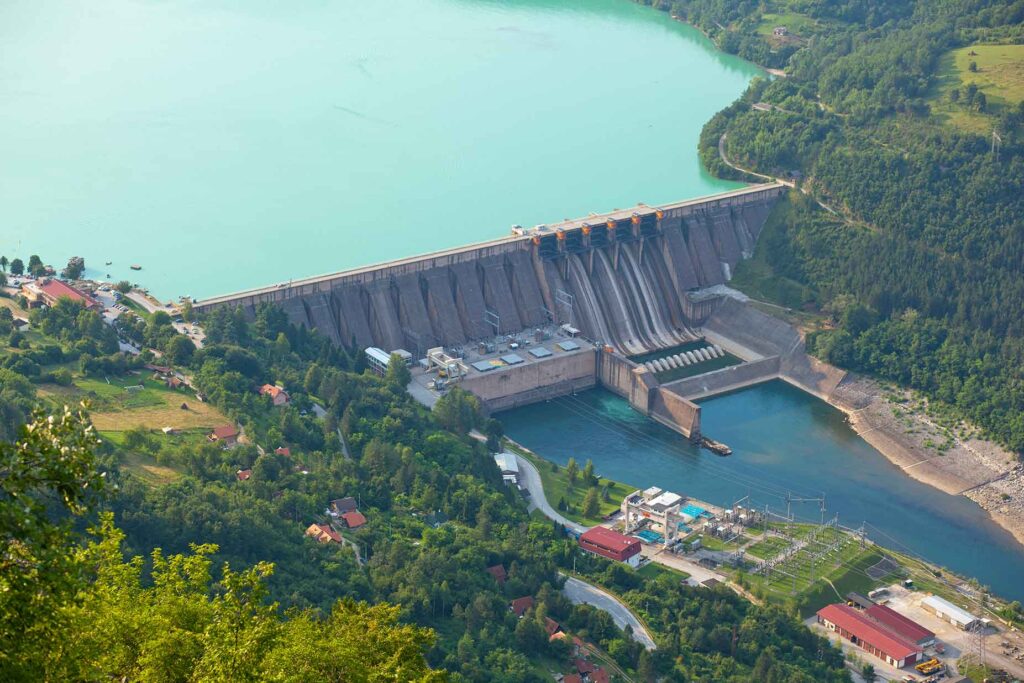
I. Giriş
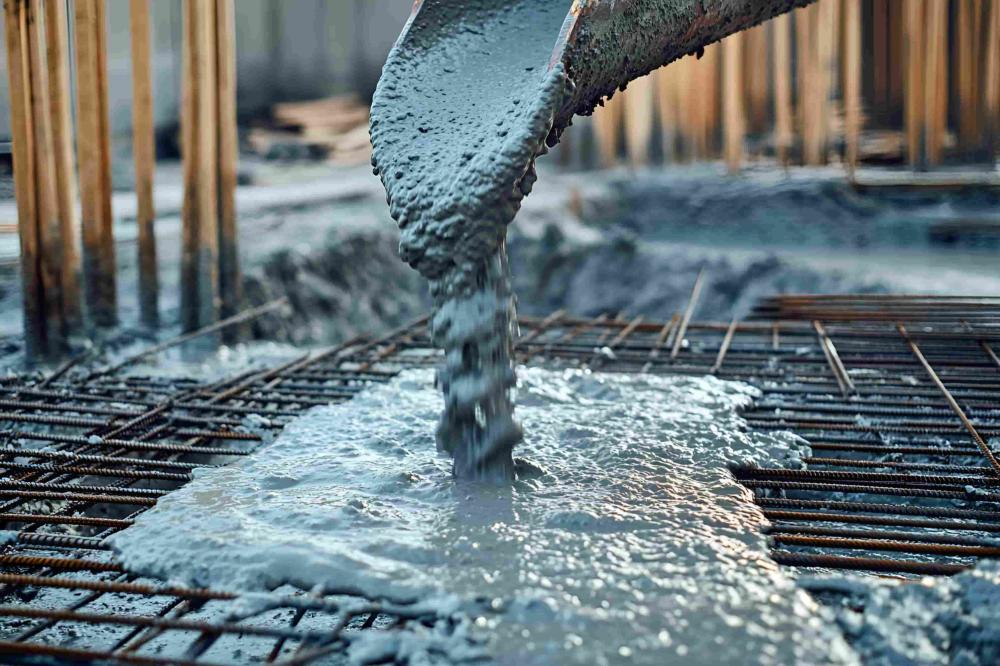
Kritik ulusal altyapı olarak hidroelektrik santrallerinin inşaat kalitesi, proje güvenliğini, işletme ömrünü ve yatırım getirilerini doğrudan etkiler. Barajlar, enerji santralleri ve dolusavaklar gibi temel yapılarda beton en yaygın kullanılan ve en büyük hacimli inşaat malzemesidir. Büyük ölçekli bir hidroelektrik santrali için beton yerleştirme hacmi genellikle milyonlarca hatta on milyonlarca metreküpe ulaşır. Bu tür büyük beton projeleri, işlenebilirlik, mekanik özellikler, dayanıklılık ve inşaat verimliliği konularında son derece yüksek gereksinimleri beraberinde getirir.
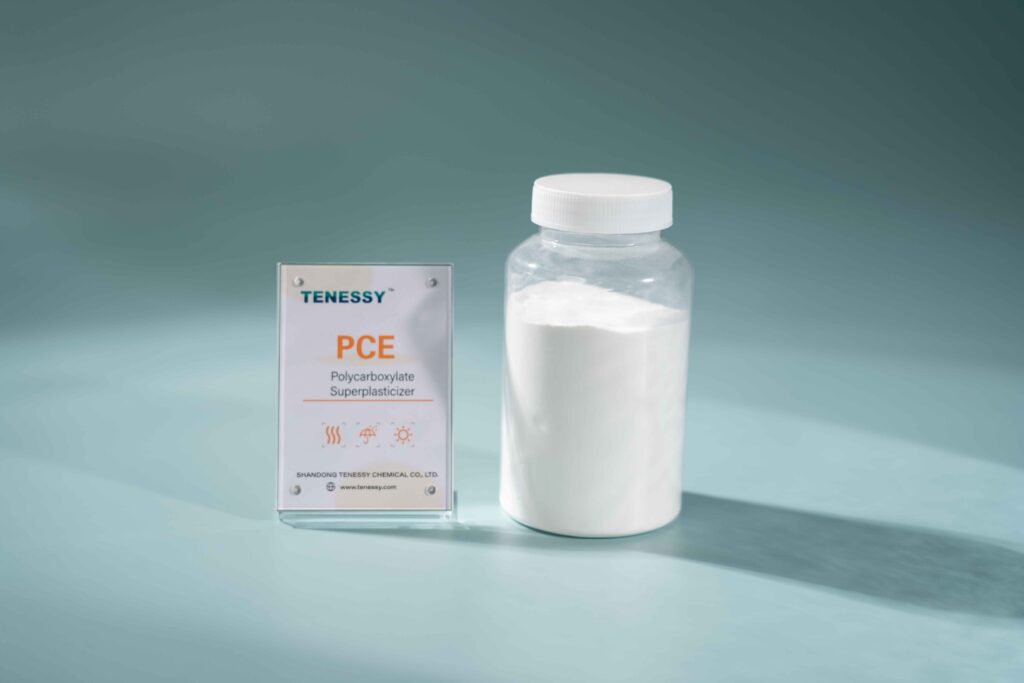
Geleneksel süperakışkanlaştırıcılar (lignosülfonat ve naftalin bazlı süperakışkanlaştırıcılar gibi) su azaltma oranı, çökme tutma ve çevre dostu olma açısından belirli sınırlamalara sahiptir ve bu da modern hidroelektrik projelerinin yüksek performanslı beton taleplerini tam olarak karşılamayı zorlaştırmaktadır. Polikarboksilat süperplastikleştiriciüçüncü nesil yüksek performanslı beton katkısı olarak, benzersiz teknik avantajları nedeniyle hidroelektrik santrali baraj betonu için giderek tercih edilen katkı haline gelmiştir. Bu makale, hidroelektrik santrali baraj betonunda polikarboksilat süperakışkanlaştırıcının uygulama avantajlarını teknik ilkeler, temel avantajlar ve mühendislik uygulamaları dahil olmak üzere çok boyutlu olarak sistematik bir şekilde analiz etmektedir.
I. Polikarboksilat Süperakışkanlaştırıcının Mekanizması ve Teknik Özellikleri
1.1 Moleküler Yapı Tasarımı ile Sağlanan Benzersiz Performans
Polikarboksilat süperakışkanlaştırıcı, tarak şeklinde bir moleküler yapıya sahip polimer yüzey aktif maddeler kategorisine aittir - ana zincir karboksilik asit grupları ve sülfonik asit grupları gibi polar fonksiyonel gruplar içerirken, yan zincirler uzun polioksietilen zincirleridir. Bu benzersiz yapı, çimento partikül yüzeyleri üzerindeki adsorpsiyon davranışını geleneksel süperakışkanlaştırıcılardan belirgin bir şekilde farklı kılar:
Sterik Engelleme Etkisi: Uzun yan zincir molekülleri çimento partikül yüzeylerinde üç boyutlu bir bariyer oluşturarak partikül agregasyonunu etkili bir şekilde önler ve daha kalıcı bir dağılım sağlar
Sinerjik Elektrostatik İtme: Ana zincir üzerindeki anyonik gruplar elektrostatik itme sağlar ve ikili bir stabilizasyon mekanizması oluşturmak için sterik engelle birlikte çalışır
Düşük Dozajda Yüksek Verimlilik: Geleneksel süperakışkanlaştırıcıların 0,5%-1,0% dozajı ile karşılaştırıldığında, polikarboksilat süperakışkanlaştırıcı sadece 0,15%-0,3% dozajında 25%-35% su azaltma oranına ulaşır ve maksimum su azaltma oranı 50%'yi aşar
1.2 Çevresel ve Güvenlik Özellikleri
Polikarboksilat süperplastikleştirici formaldehit veya naftalin gibi zararlı maddeler içermez Üretim ve kullanım sırasında tahriş edici bir kokuya sahip değildir ve inşaat personeli ile çevreye dosttur. Bu özellik, yeşil inşaat ve sürdürülebilir kalkınmanın mevcut endüstri yönü ile uyumludur ve özellikle sıkı çevresel gerekliliklere sahip büyük ölçekli hidroelektrik projeleri için uygundur.
II. Hidroelektrik Santral Baraj Betonunun Teknik Zorlukları
Polikarboksilat süperakışkanlaştırıcının uygulama avantajlarını derinlemesine analiz etmeden önce, hidroelektrik santrali baraj betonunun karşılaştığı özel teknik zorlukları anlamak gerekir:
2.1 Kütle Betonunda Sıcaklık Kontrolü ve Çatlak Önleme
Hidroelektrik santral barajları tipik kütle beton yapılardır. Çimento hidrasyonu sırasında büyük miktarda ısı açığa çıkar ve yüzey ısıyı yavaşça dağıtırken iç sıcaklığın hızla yükselmesine neden olarak bir sıcaklık gradyanı oluşturur. Termal stres betonun çekme dayanımını aştığında termal çatlaklar meydana gelir. Çatlaklar sadece yapısal görünümü etkilemekle kalmaz, aynı zamanda barajın geçirimsizliğini ve uzun vadeli güvenliğini de tehlikeye atabilir.
2.2 Sızdırmazlık ve Dayanıklılık için Yüksek Gereksinimler
Barajlar uzun süreli su basıncına, donma-çözülme döngülerine, su aşındırmasına ve çevresel erozyona maruz kalır. Hidroelektrik santralinin güvenli işletimini ve tasarım ömrünü sağlamak için betonun mükemmel geçirimsizlik, donma direnci ve kimyasal erozyon direncine sahip olması gerekir.
2.3 Karmaşık İnşaat Koşulları
Hidroelektrik projeleri genellikle ulaşımın zor ve iklimin değişken olduğu derin dağlarda ve geçitlerde yer alır. Beton uzun mesafeler kat etmeli, yüksek yerleştirme yoğunluğuna dayanmalı ve dar inşaat sahalarına uyum sağlamalıdır. Pompalama ve oluklar gibi çeşitli dağıtım yöntemlerine uyum sağlarken, yüksek çökme koşullarında mükemmel akışkanlık ve çökme tutma özelliğini koruması gerekir.
2.4 Yüksek Mukavemet ve Yüksek Akışkanlık Arasındaki Çatışma
Barajın belirli kısımlarında (kemer baraj ayakları ve dolusavak yüzeyleri gibi) beton dayanımı için yüksek gereksinimler vardır. Bununla birlikte, yüksek dereceli beton yüksek viskoziteye ve zayıf akışkanlığa sahip olma eğilimindedir ve bu da inşaat zorlukları yaratır. Dayanım artışı ile işlenebilirlik artışını dengelemek hidroelektrik projeleri için uzun zamandır teknik bir zorluk olmuştur.
III. Hidroelektrik Santrali Baraj Betonunda Polikarboksilat Süperakışkanlaştırıcının Temel Avantajları
3.1 Üstün Su Azaltma ve Mukavemet Artışı
Polikarboksilat süperakışkanlaştırıcının en büyük teknik avantajı yüksek su azaltma oranı. Aynı su-çimento oranı altında, su azaltma oranı 25%-35%'ye ulaşabilir, bu da naftalin bazlı süperakışkanlaştırıcıların 15%-20%'sinden önemli ölçüde daha yüksektir. Bu şu anlama gelmektedir:
Azaltılmış Su Tüketimi: Aynı su-çimento oranı altında, birim su tüketimi önemli ölçüde azaltılabilir, böylece çimento tüketimi düşürülür ve maliyet tasarrufu sağlanır
Artırılmış Güç: Aynı akışkanlığı korurken, su-çimento oranı önemli ölçüde azaltılabilir ve betonun hem erken hem de sonraki dayanımını önemli ölçüde artırabilir
Optimize Edilmiş Karışım Tasarımı: Yüksek performanslı beton formülasyonunda daha fazla esneklik sağlayarak hidroelektrik projelerinde C80 ve C100 gibi yüksek dayanımlı betonların uygulanmasına olanak tanır
Mühendislik Değeri: Bir milyon metreküplük bir beton hacmi için çimento tüketiminin 10 kg/m³ azaltılması on binlerce ton çimento tasarrufu sağlayarak önemli ekonomik faydalar sağlar. Bu arada, yüksek su azaltımının getirdiği mukavemet artışı, baraj yapısal optimizasyonu için teknik destek sağlar.
3.2 İnşaat Sürekliliğini Sağlayan Mükemmel Çökme Tutuculuğu
Geleneksel süperakışkanlaştırıcılar (özellikle naftalin bazlı) genellikle hızlı çökme kaybından muzdariptir. Beton genellikle şantiyeye ulaştığında ikincil su ilavesi veya karışım ayarlaması gerektirir, bu da inşaat verimliliğini ve kalitesini etkiler.
Polikarboksilat süperplastikleştirici, aracılığıyla moleküler yapı tasarlanabilirliği, başarır 2-3 saat içinde esasen çökme kaybı olmaz. Mekanizma şunları içerir:
Alkali ortamlarda polioksietilen yan zincirlerin kademeli hidrolizi, sürekli olarak dağıtıcı etkileri serbest bırakır
Geciktirici bileşenler ve dağıtıcı bileşenler arasındaki sinerjik etkileşim, çimento hidratasyon sürecini geciktirir
Mühendislik Değeri: Hidroelektrik santrali betonu genellikle uzun mesafeli nakliye ve yerleştirmeden önce uzun bekleme süresi gerektirir. Mükemmel çökme tutma özelliği, betonun sahaya ulaştığında iyi işlenebilirliğini korumasını sağlayarak sahadaki su ilavesinin neden olduğu mukavemet azalmasını ve dayanıklılık bozulmasını önler.
3.3 Hidrasyon Isısının Etkili Bir Şekilde Azaltılması, Sıcaklık Kontrolüne ve Çatlakların Önlenmesine Katkı
Kütle betonundaki termal çatlama, hidroelektrik projeleri için temel bir kalite riskidir. Polikarboksilat süperakışkanlaştırıcı, sıcaklık kontrolüne ve çatlak önlemeye iki şekilde katkıda bulunur:
Azaltılmış Çimento Tüketimi: Yüksek su azaltma oranı, mukavemet gereksinimlerini karşılarken çimento tüketiminde 10%-15% azalma sağlar. Azaltılmış çimento tüketimi, birim beton hacmi başına toplam hidratasyon ısısını doğrudan düşürür.
Gecikmeli Hidrasyon Zirvesi: Moleküler yapı tasarımı sayesinde, polikarboksilat süperplastikleştirici geciktirici işlevler içerebilir, hidrasyon ısı salınım eğrisini daha yumuşak hale getirir ve sıcaklık artış hızını ve tepe sıcaklığını azaltır.
Mühendislik Değeri: Xiluodu ve Baihetan gibi mega hidroelektrik santrallerinin inşasında, polikarboksilat süperakışkanlaştırıcı, baraj betonu için sıcaklık kontrol hedeflerine başarıyla ulaşmak için soğutma boruları, sıcaklık kontrollü kürleme ve diğer önlemlerle sinerjik olarak çalıştı ve çatlak risklerini etkili bir şekilde yönetti.
3.4 Geliştirilmiş Beton İşlenebilirliği, Karmaşık İnşaat Koşullarına Uyum
Hidroelektrik santrali beton inşaatı, yüksek dikey düşüşler, uzun mesafeler ve kapalı alanlar gibi çeşitli karmaşık koşulları içerir ve betonun işlenebilirliği konusunda yüksek talepler getirir. Polikarboksilat süperakışkanlaştırıcı betona aşağıdaki mükemmel özellikleri kazandırır:
Yüksek Akışkanlık: Çökme 220 mm'nin üzerine ulaşabilir, çökme akışı 600 mm'yi aşabilir, pompalama ve oluklar gibi çeşitli dağıtım yöntemleri için uygundur
Düşük Viskozite: Moleküler tasarım sayesinde, bulamaç viskozitesi azaltılarak "hem viskoz hem de ağır" olan yüksek kaliteli betonun yapım zorluğu çözülür
Ayrımcılık karşıtı: Yüksek akışkanlık koşulları altında iyi homojenliği korur, agrega ayrışmasını ve kanamayı önler
Mühendislik Değeri: Kemer barajlar ve yerçekimi barajları gibi yapısal olarak karmaşık alanlarda, yüksek akışkanlığa sahip beton kalıp köşelerini tamamen doldurabilir, beton yoğunluğu ve görünüm kalitesi sağlar; dar galeriler ve odalar gibi kapalı alanlarda, düşük viskozite ve iyi pompalama performansı inşaat zorluğunu önemli ölçüde azaltır.
3.5 Geliştirilmiş Dayanıklılık, Proje Ömrünün Uzatılması
Hidroelektrik santrali barajları tipik olarak 50-100 yıllık tasarım ömrüne sahiptir, bu da dayanıklılığı kritik derecede önemli hale getirir. Polikarboksilat süperakışkanlaştırıcı aşağıdaki mekanizmalar aracılığıyla beton dayanıklılığını artırır:
Azaltılmış Su-Çimento Oranı: Düşük su-çimento oranı gözenekliliği azaltır ve sertleşmiş betondaki gözenek yapısını iyileştirerek geçirimsizliği önemli ölçüde artırır (geçirimsizlik derecesi P12 veya daha yüksek olabilir)
Azaltılmış Büzülme: Azaltılmış çimento tüketimi ve hidratasyon ısısı kontrolünün birleşik etkileri, kuruma büzülmesini ve termal büzülmeyi azaltarak çatlama riskini azaltır
Geliştirilmiş Arayüzey Geçiş Bölgesi: Dağıtıcı etki, çimento hidrasyonunun daha eksiksiz olmasını sağlayarak daha yoğun bir agrega-pasta arayüzey geçiş bölgesi oluşturur, donma-çözülme direncini ve kimyasal erozyon direncini artırır
Mühendislik Değeri: Soğuk bölgelerde bulunan hidroelektrik santralleri için, mükemmel donma-çözülme direnci doğrudan güvenli baraj işletimi ile ilgilidir; agresif yeraltı suyu ortamlarına sahip projeler için, yüksek geçirimsizlik ve kimyasal erozyon direnci kritik öneme sahiptir.
IV. Polikarboksilat Süperakışkanlaştırıcı Uygulamak için Önlemler
Polikarboksilat süperakışkanlaştırıcı önemli avantajlar sunmasına rağmen, tam performans sağlamak için pratik uygulamalarda aşağıdaki noktalara dikkat edilmelidir:
4.1 Çimento ile Uyumluluk
Polikarboksilat süperakışkanlaştırıcının uyumluluğu farklı çimentolarla değişir. Yapılması tavsiye edilir uyumluluk testleri̇ Optimum dozajı ve geciktirici maddeler, hava sürükleyici maddeler ve diğer bileşenlerle bileşik etkilerini belirlemek için mühendislik uygulamasından önce.
4.2 Su Tüketimine Duyarlılık
Polikarboksilat süperplastikleştirici su tüketimine duyarlıdır. Su tüketimindeki dalgalanmalar su azaltma oranını ve çökmeyi önemli ölçüde etkiler. İnşaat sırasında sıkı dozaj kontrolü yapılmalı ve yerinde su ilavesinden kaçınılmalıdır.
4.3 Naftalin Bazlı Süper Akışkanlaştırıcılar ile Karıştırmayın
Polikarboksilat süperakışkanlaştırıcı ve naftalin bazlı süperakışkanlaştırıcı karıştırılmamalıdır. İkisinin karıştırılması ciddi performans düşüşüne ve hatta tamamen bozulmaya neden olabilir. Katkı türleri değiştiriliyorsa, karıştırma ekipmanının ve nakliye tankerlerinin iyice temizlenmesi gerekir.
4.4 Dozaj Kontrolü
Polikarboksilat süperakışkanlaştırıcının dozajı tipik olarak çimentolu malzeme içeriğinin 0.15%-0.3%'sidir. Yetersiz dozaj tatmin edici olmayan performansla sonuçlanırken, aşırı dozaj aşırı gecikmeye veya kanamaya neden olabilir. Gerçek dozaj test yoluyla belirlenmeli ve inşaat sırasında sıkı bir şekilde kontrol edilmelidir.
V. Sonuç
Polikarboksilat süperakışkanlaştırıcı, yüksek su azaltma oranı, mükemmel çökme tutma özelliği, düşük hidrasyon ısısı, iyi işlenebilirlik gelişimi ve dayanıklılık artışı ile hidroelektrik santral baraj betonu için vazgeçilmez bir anahtar işlevsel malzeme haline gelmiştir.
Hidroelektrik projeleri daha yüksek barajlara, daha büyük ölçeklere ve daha karmaşık jeolojik koşullara doğru geliştikçe, beton için performans gereksinimleri de artmaya devam edecektir. Polikarboksilat süperakışkanlaştırıcı teknolojisinin gelecekteki gelişim yönleri şu konulara odaklanacaktır:
Hassas Moleküler Yapı Tasarımı: Farklı mühendislik gereksinimlerini karşılamak için özelleştirilmiş ürünler geliştirmek
Yeşil ve Düşük Karbonlu: Üretimde enerji tüketiminin daha da azaltılması ve çevre dostu
Profesyonel bir inşaat katkı maddesi tedarikçisi olarak, TENESSY polikarboksilat süperplastikleştirici teknolojisi alanını derinlemesine geliştirmeye devam edecek, yüksek performanslı, yüksek stabiliteli ürünler ve tekni̇k destek hidroelektrik projeleri ve daha geniş bir beton uygulamaları yelpazesi için.