Turkish
  English
  Arabic
  German
  French
  Indonesian
  Russian
  Italian
  Czech
Czech  Dutch
Dutch  Finnish
  Greek
Greek  Spanish
  Portuguese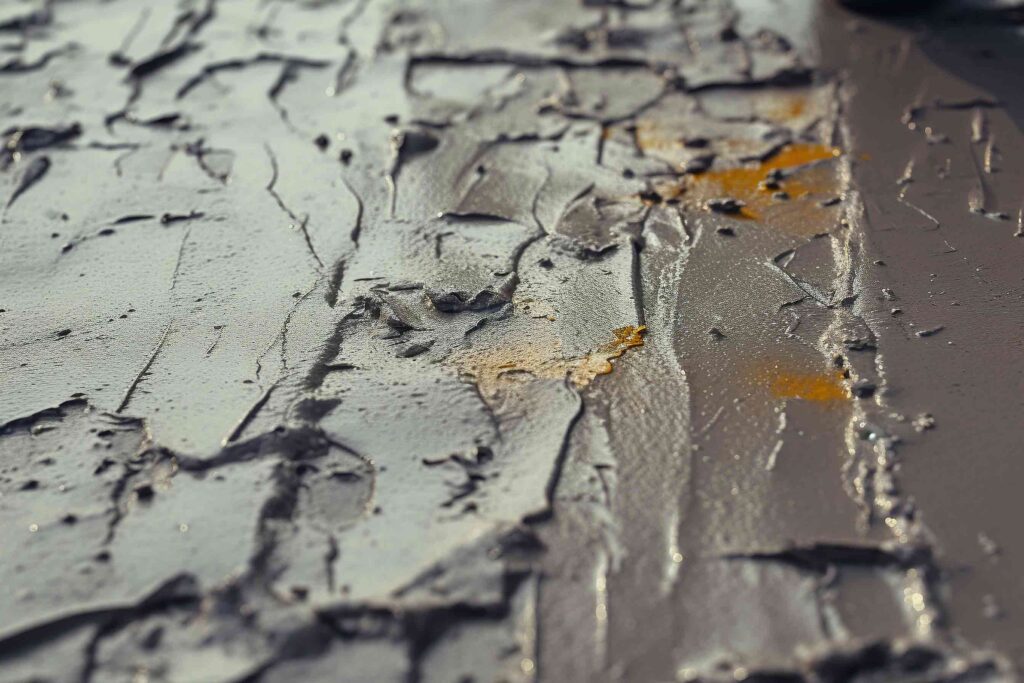
Giriş
Bina sızıntıları, kronik bir kalite kusuru olup bina sakinlerinin memnuniyeti açısından ciddi bir tehdit teşkil etmektedir. Pek çok onarım vakasında, suyun içeri girme yolu genellikle yapısal çatlaklar değil, daha çok yapının doğasında bulunan kılcal bağlantı, kuruma büzülmesi sonucu oluşan çatlaklar ya da kuru karışım harç kendisi. Geleneksel önlemler, uygulanan su geçirmez kaplamalara veya çimento içeriğinin artırılmasına dayanmaktadır. Ancak, ilki üretim aşamalarını ve maliyeti artırırken, ikincisi büzülme risklerini daha da artırmaktadır. Asıl soru şudur: Harç, yeterince sağlam bir iç su geçirmezlik ve sızdırmazlık özelliğine sahip mi?
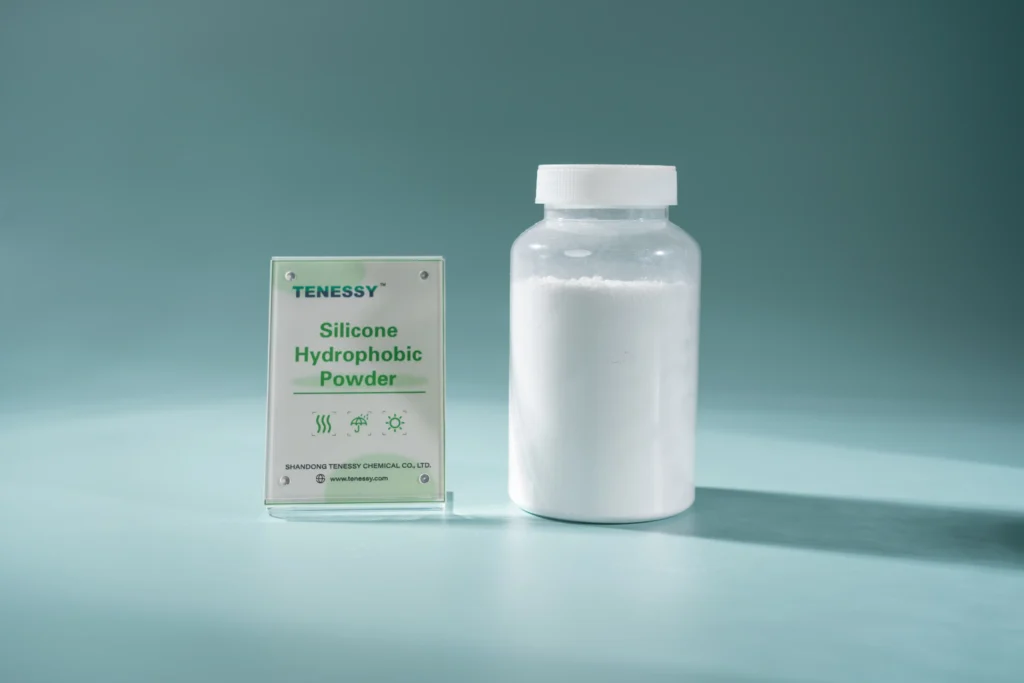
Hidrofobik, yeniden dağılabilir polimer tozu su geçirmezlik işlevini “yüzey kaplaması”ndan “malzemenin entegre bir özelliği”ne dönüştürür. Bu, basit bir katkı maddesi değil, malzemenin temel işlevsel yapısının yeniden düzenlenmesidir. kuru karışım harç mikro yapısal düzeyde. Yıllara dayanan pratik formülasyon deneyiminden yararlanarak, bu makale hidrofobik tozların, su girişine karşı nasıl birincil bir savunma oluşturduğunu sistematik olarak ayrıntılı bir şekilde açıklamaktadır. duvarcılık, sıva, onarım ve dekoratif harçlar, malzemenin yapısından başlayarak.
I. Hidrofobik Polimer Tozlarının Yeniden Değerlendirilmesi
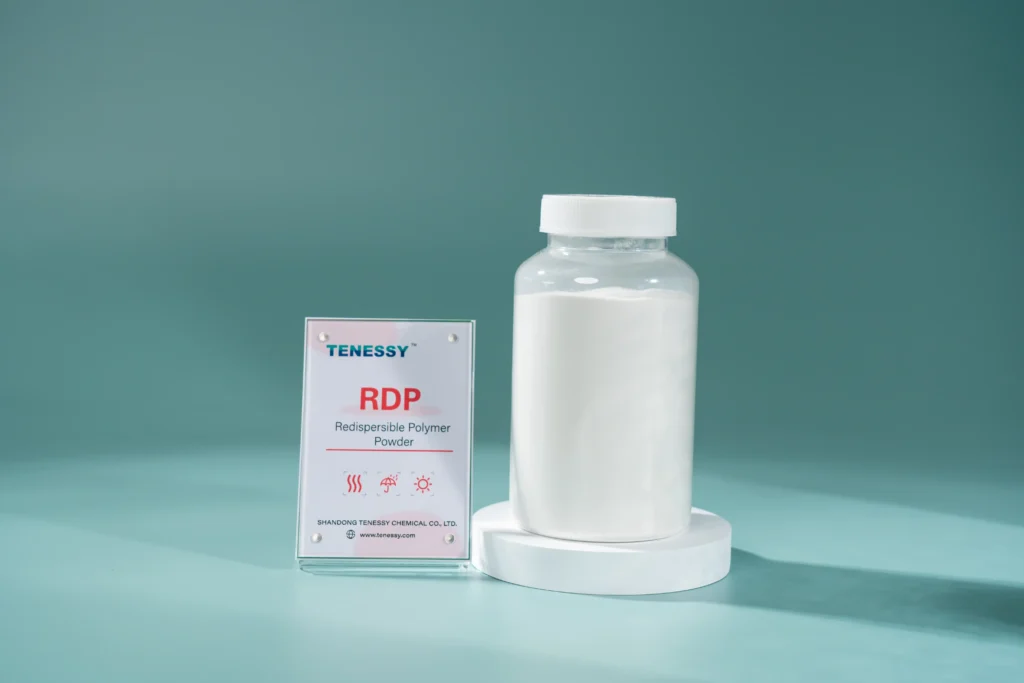
Yeniden dağılabilir polimer tozları şu alanlarda yaygın olarak kullanılmaktadır: kuru karışımlı harçlar, ancak işlevsel rolleri genellikle dar bir şekilde “bağlayıcı güçlendirici” olarak tanımlanmaktadır. Gerçekte ise polimer tozları, yüzey polaritesine göre hidrofilik ve hidrofobik türler olarak sınıflandırılır. Geleneksel VAE tozları, koruyucu kolloid (polivinil alkol) içeriği nedeniyle, yeniden dispersiyon sırasında suya duyarlı filmler oluşturur; uzun süre suya maruz kaldıklarında şişer ve hatta yeniden emülsifiye olurlar, bu da performansın önemli ölçüde düşmesine yol açar.
Hidrofobik polimer tozu polimerizasyon sırasında veya püskürtmeli kurutma sürecinde son işlem yoluyla modifiye edilmiş, silan, stearat veya flor içeren hidrofobik monomerler barındıran fonksiyonelleştirilmiş bir polimer tozudur. Belirleyici özellikleri şunlardır:
Düşük yüzey enerjili film oluşumu: Suya yeniden dağıtıldıktan ve kürleme sırasında suyun buharlaşmasının ardından, toz parçacıkları birleşerek son derece düşük su ıslanabilirliğine sahip bir film oluşturur ve bir temas açısı elde edilir ki bu 90°–110°;
Kılcal gözenek duvarının hidrofobikleştirilmesi: Toz parçacıkları, öncelikle çimento matrisinin kılcal gözenek duvarlarında ve agrega yüzeylerinin çevresinde yoğunlaşır. Sertleşme sürecinde, kılcal yükselmeyi etkili bir şekilde engelleyen nano ölçekli bir hidrofobik kaplama oluştururlar;
Kimyasal ankraj reaksiyonları: Silan ile modifiye edilmiş tozlardaki reaktif gruplar (örn., -Si(OR)₃), alkali çimento hamurunda hidroliz ve polikondenzasyona uğrayarak C-S-H jeli ile kovalent bağlar oluşturur. Bu, hidrofobik etkinin sadece fiziksel bir “yüzey yağlanması” olmaktan ziyade kalıcı olmasını sağlar.
II. Su Yalıtımı ve Su Geçirmezliğin Temel Mantığı
Fizikokimyasal açıdan bakıldığında, sertleşmiş kuru karışım harç gözenek yarıçapları ağırlıklı olarak 0,01–10 μm aralık. Basınç altında su sızıntısı şu şekilde gerçekleşir: Darcy Yasası, burada geçirgenlik, gözeneklilik ve gözenek yarıçapının karesiyle orantılıdır. Geçirimsizliği artırmaya yönelik geleneksel yöntemler — su-çimento oranını düşürmek veya ultra ince mineral katkı maddeleri eklemek — temelde “gözenek boyutunu küçültmeyi” amaçlamaktadır, ancak bu yöntemler gözenek duvarlarının hidrofilik yapısını değiştirmez.
Hidrofobik polimer tozunun kullanıma sunulması, su geçirmezlik stratejisini “fiziksel yoğunlaştırma”dan çift mekanizmalı bir yaklaşıma yükseltir: “fiziksel yoğunlaştırma + arayüzey hidrofobikliği” .
Kılcal kanalları tıkayan polimer ağı: Çimento hidratlaşırken, toz kademeli olarak bir tabaka oluşturur. Bu üç boyutlu polimer ağı, birbirine bağlı bazı gözenekleri doldurmanın yanı sıra, doğasında bulunan esneklik sayesinde kuruma büzülmesinden kaynaklanan gerilimleri hafifletir ve böylece mikro çatlakların oluşumunu azaltır.
Gözenek duvarlarının yüzey enerjisi dönüşümü: Hidrofobik gruplar, gözenek duvarlarının yüzeylerinde yönlü bir şekilde hizalanır ve bu da katı-sıvı ara yüz gerilimini önemli ölçüde düşürür. Su basıncı uygulandığında, su molekülleri hidrofobik gözenek duvarları üzerinde yayılmakta zorlanır. Kılcal basınç, “çekici” bir kuvvetten “dirençli” bir kuvvete dönüşür ve bu da geçirimsizlik basıncını önemli ölçüde artırır.
Arayüzey geçiş bölgesinin (ITZ) güçlendirilmesi: Agrega-harç arayüzü, sızıntı açısından bir zayıf noktadır. Hidrofobik toz, bu bölgede polimer bakımından zengin bir tabaka halinde birikir; bu durum hem yerel su-çimento oranını düşürür hem de arayüzdeki mikro boşlukların birbirine bağlanmasını engeller — bu, geleneksel mineral dolgu maddelerinin sağlayamadığı bir etkidir.
Bu mekanizmanın pratikteki sonucu oldukça önemlidir: harçta ince çatlaklar (≤0,2 mm) oluşsa bile, basınçsız veya düşük basınçlı su, içinden geçmekte zorlanır, yapının kendi kendine su geçirmezlik özelliği için bir “tolerans payı” sağlar.
III. Pratik Formülasyon Tasarımı ve Proses Kontrolünün Temel Unsurları
Hidrofobik polimer tozunun kuru karışım harç Üretim süreci, geleneksel tozun basit bir bire bir ikamesi değildir. Aşağıda, yıllarca süren tesis ölçeğinde üretim deneyiminden elde edilen temel ilkeler yer almaktadır:
1. Dozaj Optimizasyonu: “Su Yalıtımı–Mukavemet” Dengesini Bulmak
Çimento bazlı sistemler için önerilen hidrofobik toz dozajı şöyledir: Toplam çimento esaslı malzemenin %1,5%–4,5%'si:
Su geçirmez sıva harcı (P6–P8 sınıfı): 2,0%–3,0% aralığı önerilir. Bu seviyede, 28 günlük su emilimi 6%–8% aralığına indirilebilir ve basınç dayanımı kaybı 8% sınırları içinde tutulabilir;
Tek bileşenli su yalıtım harcı (P10 ve üzeri): 3,5%–4,5% aralığı önerilir. Uygun bir süperplastikleştirici ile birlikte kullanıldığında, 28 günlük su geçirmezlik basıncı 1,2 MPa’yı aşabilir;
Dekoratif harç ve derz dolguları: 2.0%–2.5% ürününün kullanılması tavsiye edilir; bu öneri, öncelikle söz konusu ürünün çiçeklenme önleyici ve kirlenme önleyici özelliklerinden yararlanılmasına dayanmaktadır.
Aşırı hidrofobik tozun (>5%) hava sürüklenmesini artırabileceğini, bu durumun yoğunluğu düşürdüğünü ve geçirimsizliği olumsuz yönde etkilediğini belirtmek çok önemlidir.
2. Katkı Maddeleriyle Uyumluluk: Sinerji Anahtardır
Harç su yalıtım katkı maddeleri Asla tek başına işlev görmezler. Hidrofobik toz, aşağıdaki bileşenlerle hassas bir şekilde uyumlu hale getirilmelidir:
Selüloz eter: Su tutma ve kıvam artırma özelliği sağlayarak tozun tam olarak dağılmasını ve nemlenmesini garanti eder. Bununla birlikte, metil selüloz eterleri sistemin yüzey gerilimini düşürerek hidrofobik etkiyi zayıflatabilir. Bu nedenle, hidroksietil selüloz (HEC) veya değiştirilmiş hidroksipropil metil selüloz (HPMC) tercih edilir; kontrollü bir dozajda (≤0,3%);
Süper akışkanlaştırıcı: Polikarboksilat bazlı süper akışkanlaştırıcılar su ihtiyacını azaltır ve yoğunluğu artırır; bu da hidrofobik tozla olumlu bir sinerjik etki sergiler. Bununla birlikte, tozla uyumluluk testlerinin yapılması zorunludur;
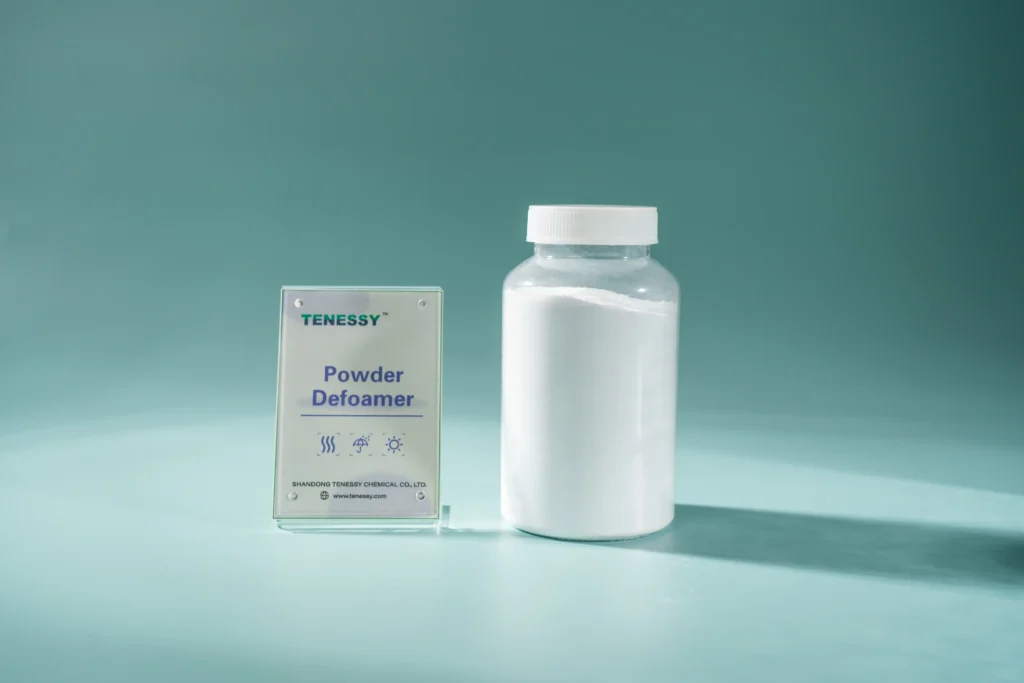
Köpük kesici: Vazgeçilmez. Karıştırma sırasında toz ve süper plastikleştirici tarafından sisteme karışan hava kabarcıkları, su için “kısa devre” yolları haline gelebilir. 0,1%–0,3% oranında bir toz köpük önleyici kullanılması tavsiye edilir;
Hava tutucu madde: Dikkatli kullanın ya da tamamen kaçının. Ürüne karışan zararlı büyük gözenekler, hidrofobik tozun gözenekleri tıkamayı önleyici etkisini ortadan kaldıracaktır.
3. Üretim ve İnşaatta Uyum Yeteneği
Karıştırma Homojenliği: Düşük doz göz önüne alındığında, bir ön karıştırma Bu işlem zorunludur. Tozu, mikroskobik düzeyde homojen bir dağılım sağlamak ve bölgesel topaklanma veya eksiklikleri önlemek için en az 120 saniye boyunca çimento ve kumla kuru olarak karıştırın;
Su Talebine Duyarlılık: Hidrofobik sistem, su içeriğine karşı son derece duyarlıdır. Karıştırma suyunda 5%’lik bir artış, geçirimsizlik derecesini 1–2 seviye düşürebilir. Sıkı su-çimento oranı kontrolü bu kural, tercihen otomatik su ölçüm cihazları kullanılarak yerinde uygulanmalıdır;
Sertleştirme Koşulları: Erken aşamadaki nemle sertleştirme hâlâ büyük önem taşımaktadır. Çimento hidrasyonu için yeterli su gereklidir; ilk 3 gün boyunca nemli bir ortamın sağlanması, hidrofobik filmin su itici etkisini tam olarak geliştirmesini sağlar. Erken su kaybı, yetersiz film oluşumuna ve yetersiz çimento hidrasyonuna yol açacaktır.
IV. Tipik Uygulamalar ve Farklılaştırılmış Performans Gereksinimleri
Farklı kuru karışım harç Bu türlerin hidrofobiklik açısından farklı performans beklentileri vardır ve bu da özel olarak tasarlanmış bir formülasyon yaklaşımı gerektirir:
① Dış Mekan Su Geçirmez Sıva Harcı
Temel gereksinimler: düşük su emme + yüksek yapışma mukavemeti + donma-çözülme direnci. Bu tür formülasyonlarda, çatlama direncini artırmak için hidrofobik toz, uygun liflerle (polipropilen veya lignoselüloz) birleştirilmelidir. Test verileri, 25 donma-çözülme döngüsünden sonra, hidrofobik olarak modifiye edilmiş formülasyonların basınç dayanımı kaybının, kontrol grubuna kıyasla yaklaşık % azaldığını göstermektedir.
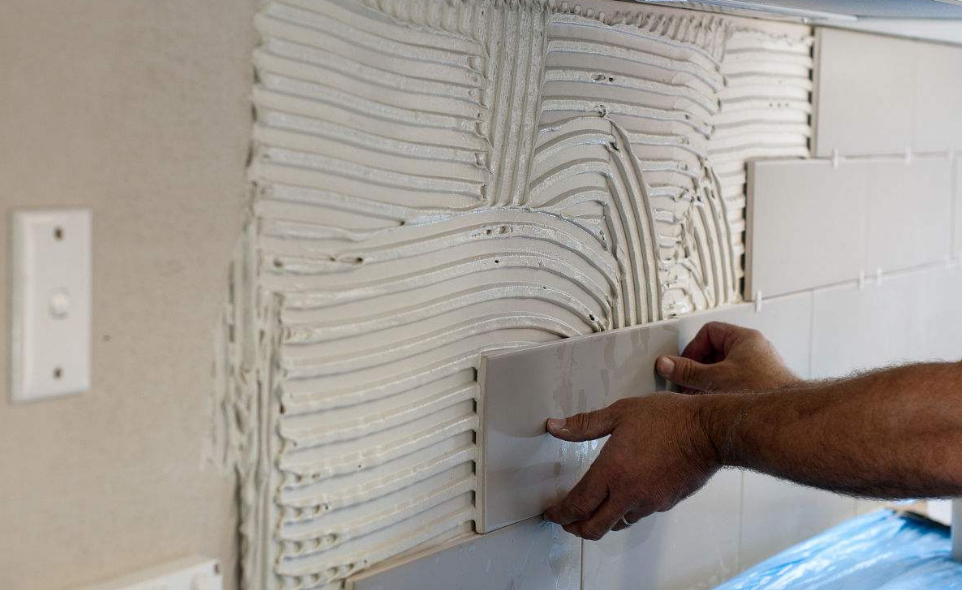
② Fayans Yapıştırıcıları ve Derz Dolgu Malzemeleri (Islak Montaj)
Temel gereksinimler: çiçeklenme önleme + su direnci. Çiçeklenme, çözünür tuzların suyla birlikte yüzeye çıkıp kristalleşmesi sonucu meydana gelir. Hidrofobik toz, sürekli su akışını engelleyerek çiçeklenme olasılığını önemli ölçüde azaltır. Beyaz derz dolgularında, hidrofobik modifikasyon sayesinde su emilimi ≤3% seviyesine indirilir ve leke direnci önemli ölçüde artırılır.
③ Onarım Harçları (İnce Tabakalı ve Yapısal)
Temel gereklilikler: arayüzey bağı + geçirimsizlik sinerjisi. Onarım tabakası ile eski beton alt tabaka arasındaki arayüzey, en zayıf noktadır. Hidrofobik tozun bu arayüzde oluşturduğu polimer film, hem su girişini engeller hem de büzülme gerilimini dengeleyerek tabakaların ayrılmasını ve kopmasını önler.
④ Su Geçirmez Macunlar ve Dekoratif Harçlar
Temel gereksinimler: yüzey hidrofobikliği + buhar geçirgenliği. Dış dekoratif katmanların “dıştan su geçirmez, içten nefes alabilir” olması gerekir. Hidrofobik tozla modifiye edilmiş dekoratif harçlar, su buharı geçirgenlik katsayısını ≥2,5×10⁻⁶ g/(m·s·Pa), böylece iç nemin etkili bir şekilde dışarı çıkmasını sağlar ve kaplama tabakasının kabarmasını veya soyulmasını önler.
V. Performans Doğrulama ve Kalite Kontrol Sistemleri
Pratik uygulamaların değeri, ampirik verilerle desteklenmelidir. Rutin fabrika denetimlerinde ve yerinde kalite kontrollerinde kuru karışım harç, aşağıdaki göstergelere öncelik verilmelidir:
| Test Sorusu | Test Standardı | Hidrofobik Olarak Modifiye Edilmiş Geçiş Hattı (Referans) |
|---|---|---|
| 24 Saatlik Su Emme | JC/T 984 | ≤5% (su geçirmez tip) / ≤8% (sıva tipi) |
| Sızdırmazlık Basıncı (28 gün) | GB/T 18445 | ≥0,8 MPa (P8 sınıfı) |
| Çekme Bağlanma Mukavemeti (Orijinal) | JC/T 547 | ≥0,7 MPa |
| Yumuşama Katsayısı | GB/T 4111 | ≥0,85 |
Ayrıca, temas açısı ölçümü ve kılcal su emme hızı hidrofobik etkinliği ve stabiliteyi yansıtan iki hassas mikro düzeydeki göstergedir. Bunların rutin kalite kontrol protokollerine dahil edilmesi tavsiye edilmektedir.
Basit bir nitel yerinde değerlendirme: Sertleşmiş harç yüzeyine bir su damlası damlatın. Damla yarım küre şeklinde bir damlacık oluşturur ve yüzeyi ıslatmadan yuvarlanarak düşerse, hidrofobik modifikasyon etkilidir. Tersine, damlacık yayılır ve hızla nüfuz ederse, bu durum toz dozajı, dispersiyon homojenliği veya su içeriği kontrolüyle ilgili olası sorunlara işaret eder.
Sonuç
Şunun su geçirmezlik ve sızdırmazlık özelliklerinin artırılması: kuru karışım harç sonradan uygulanan membran kaplamalarını bir “güvenlik ağı” olarak görmemeli, bunun yerine işlevsel özellikleri formülasyon tasarım aşamasında ürüne entegre etmeye odaklanmalıdır. Hidrofobik yeniden dağılabilir polimer tozu, aşağıdakilerin sinerjik etkisiyle fiziksel film oluşumu, kimyasal tutunma ve arayüzey modifikasyonu, inşaat kolaylığından ödün vermeden harca uzun ömürlü ve güvenilir bir kendinden su geçirmezlik özelliği kazandırır. Bu, sadece performans artışı için teknik bir seçenek olmakla kalmayıp, aynı zamanda ürün felsefesinde “pasif onarım”dan “aktif su geçirmezlik”e doğru temel bir dönüşümü de temsil etmektedir.
TENESSY şu alanda ilerleme kaydetmeye kararlıdır harç su yalıtım katkı maddeleri. Sadece yüksek performanslı hidrofobik polimer tozları sunmakla kalmıyor, aynı zamanda formülasyon tasarımı, proses uyarlaması ve üretim kalite kontrolünü kapsayan kapsamlı çözümler de sunuyoruz. Değişimi kaynağında gerçekleştirmeyi tercih etmek, her partinin kuru karışım harç hem suyun hem de zamanın zorlu sınavlarına dayanır.