Arabic
  English
  German
  French
  Indonesian
  Russian
  Italian
  Czech
Czech  Dutch
Dutch  Finnish
  Turkish
  Greek
Greek  Spanish
  Portuguese
مقدمة
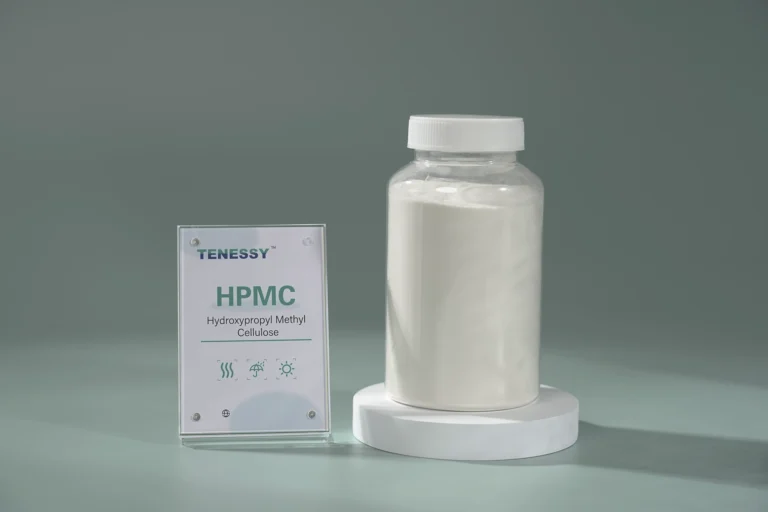
في مشاريع تركيب البلاط، مقاومة الانزلاق و الوقت المفتوح هما مؤشران أساسيان للأداء يقيسان قابلية تطبيق مواد لاصقة البلاط. مع تزايد شعبية البلاط ذي الحجم الكبير، مثل الألواح الكبيرة وألواح البورسلين، لم يعد الملاط الأسمنتي التقليدي قادراً على تلبية متطلبات تقنيات التركيب الحديثة. هيدروكسي بروبيل ميثيل سيليلوز (HPMC) ، باعتبارها أهم مادة مضافة وظيفية في مواد لصق البلاط، يمكنها أن تحقق توازنًا فعالاً بين مقاومة الانزلاق أثناء البناء وفترة العمل الكافية، وذلك من خلال التصميم الدقيق للتركيبة وإجراء التعديلات العملية. ويقدم هذا المقال مجموعة كاملة من الحلول العملية المستندة إلى آليات المواد.
أولاً: آلية عمل مادة HPMC في تحسين مقاومة الانزلاق ووقت العمل

يكمن السبب في أن مادة HPMC يمكنها أن تؤثر في آن واحد على كل من مقاومة الانزلاق ووقت الجفاف في التغيرات المادية في الشكل لسلاسله الجزيئية في المحلول المائي.
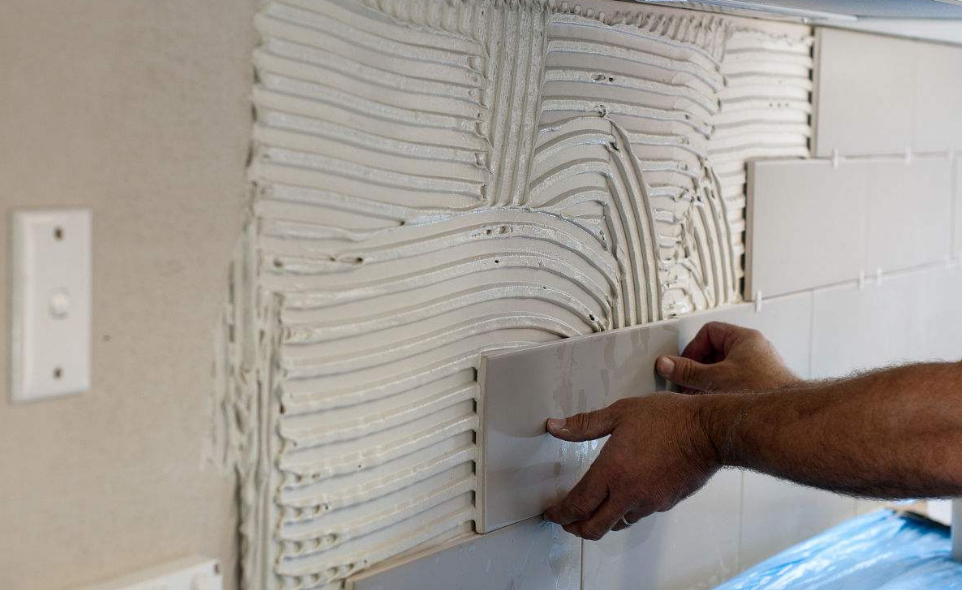
من حيث مقاومة الانزلاق، تتمدد السلاسل الجزيئية لـ HPMC بالكامل عند ذوبانها في الماء، حيث تتشابك وتتداخل مع بعضها البعض لتشكل شبكة فيزيائية ثلاثية الأبعاد في جميع أنحاء الطور السائل. وتؤدي هذه الشبكة إلى زيادة كبيرة في جهد الخضوع للعجينة — فعند تطبيق لاصق البلاط على الجدران العمودية، تقاوم الصلابة الهيكلية الداخلية قوة الجاذبية التي تسبب الترهل. ومع استمرار زيادة أحجام البلاط، أصبحت المتطلبات المتعلقة بمقاومة الانزلاق أكثر صرامة، وتعد خصائص التكثيف والتكسيوتروبيا التي يوفرها HPMC عاملاً أساسياً لمواجهة هذا التحدي.
من حيث وقت التشغيل، يمكن للمجموعات الهيدروكسيلية والإيثرية الموجودة على سلاسل جزيئات HPMC أن تشكل روابط هيدروجينية مع جزيئات الماء، مما يحول الماء الحر إلى ماء مرتبط، ويحكم بشكل فعال على معدل انتقال الماء إلى الركيزة والغلاف الجوي. تشكل آلية الاحتفاظ بالماء هذه طبقة ترطيب على سطح المعجون، مما يؤخر كل من تبخر الماء وتهيدرات الأسمنت المبكرة، وبالتالي يوفر للمركّبين الوقت الكافي لوضع البلاط وتعديل مواقعه. مع إضافة مادة HPMC، يمكن تمديد فترة العمل مع لاصق البلاط من حوالي 10 دقائق (في حالة ملاط الأسمنت العادي) إلى ما يزيد عن 20–30 دقيقة.
ثانياً: تصميم التركيبات واستراتيجيات التعديل
1. الاختيار الأساسي لدرجة اللزوجة والجرعة
ليست جميع منتجات HPMC توفر نتائج مثالية—درجة اللزوجة و الجرعة يجب أن تتناسب مع سيناريو التطبيق المحدد. وتشير الخبرة في هذا المجال إلى التوصيات التالية بالنسبة لظروف البناء المختلفة:
تركيب بلاط الجدران الداخلية: اللزوجة الموصى بها 40,000–60,000 ميللي باسكال·ثانية، لتحقيق التوازن بين مقاومة الانزلاق وسلاسة التطبيق.
الجدران الخارجية والبلاط ذو الأبعاد الكبيرة: اللزوجة الموصى بها 60,000–80,000 ميللي باسكال·ثانية — فكلما زادت اللزوجة، زادت مقاومة الترهل وقوة الدعم.
يلزم تمديد وقت الفتح (الدرجة E): يُفضل استخدام منتجات ذات لزوجة متوسطة إلى منخفضة تتراوح بين 10,000 و30,000 ميللي باسكال·ثانية، مع زيادة الجرعة قليلاً إلى 0.4%–0.6% لإطالة مدة الصلاحية.
نطاق الجرعة المعتاد هو 0.3%–0.5% من إجمالي وزن المسحوق الجاف (أي 3–5 كجم لكل طن). ومع ذلك، إن زيادة الجرعة بشكل أعمى لا تعني تحسن الأداء—عندما يتجاوز 0.5%، يصبح المعجون شديد اللزوجة، مما يؤثر سلبًا على ملمس التطبيق وكفاءة الخلط.
2. تعديلات التركيبة لتناسب ظروف الصيف ذات درجات الحرارة المرتفعة
تعد فترة البناء الصيفية فترة ذروة لتقصير «الوقت المفتوح». تنخفض قدرة مادة HPMC على الاحتفاظ بالماء مع ارتفاع درجة الحرارة. وعندما تتجاوز درجة حرارة الركيزة 40 درجة مئوية، يؤدي التبخر المتسارع للماء إلى تكوّن طبقة خارجية على سطح العجينة بسرعة، مما قد يقلل «الوقت المفتوح» الفعلي من 30 دقيقة إلى أقل من 15 دقيقة.
الإجراء المضاد: انتقل إلى منتجات HPMC ذات ارتفاع درجة حرارة الهلام. تؤدي درجات الاستبدال المختلفة إلى اختلاف درجات حرارة التجلط — فالمنتجات ذات مستويات الاستبدال الأعلى تتميز بدرجات حرارة تجلط أعلى وأداءً مستقرًا نسبيًّا في الاحتفاظ بالماء في ظروف درجات الحرارة المرتفعة. ينبغي على صانعي التركيبات التحقق من مواصفات درجة حرارة التجلط للدفعات الواردة قبل حلول فصل الصيف، بدلاً من استخدام نفس الدرجة على مدار العام.
3. تركيبة تآزرية مع إيثر النشا
غالبًا ما يكون الاعتماد حصريًّا على زيادة جرعة مادة HPMC لتحسين مقاومة الانزلاق على حساب تقصير مدة الصلاحية وتقليل قوة الالتصاق. وفي الواقع العملي، تتمثل الطريقة الأكثر فعالية في الجمع بين مادة HPMC و هيدروكسي بروبيل النشا الأثير.
يتخذ هيكل إيثير النشا شكل شبكة ويحمل شحنة سالبة، مما يمكّنه من امتصاص جزيئات الأسمنت الموجبة الشحنة وإضفاء قيمة عائد أعلى على العجينة—يُعد التحسن في مقاومة الانزلاق أفضل بكثير مقارنة باستخدام مادة HPMC وحدها. تشير الأبحاث إلى أن الزيادة المناسبة في إجمالي محتوى إيثر السليلوز، مع رفع معدل استبدال إيثر النشا في الوقت نفسه، يمكن أن تعزز بشكل فعال كل من معدل احتباس الماء ووقت العمل للملاط، مع تعزيز مقاومة الانزلاق بشكل ملحوظ. ومع ذلك، تجدر الإشارة إلى أن الإفراط في استخدام إيثر النشا سيؤدي إلى انخفاض قوة الالتصاق، وهو ما يمكن تعويضه من خلال الضبط الدقيق لجرعة مسحوق البوليمر.
نسبة الخلط الموصى بها في البداية: HPMC بنسبة تتراوح بين 0.3% و0.4%، مع إيثر النشا بنسبة تتراوح بين 0.05% و0.1% (وكلاهما كنسبة مئوية من كتلة المسحوق الجاف).
ثالثًا: احتياطات عملية تتعلق بالبناء
وبمجرد تحديد التركيبة، تؤثر الممارسات الميدانية أيضًا على النتائج النهائية:
تسلسل عملية الخلط الجاف: يجب أن يكون HPMC مخلوط مسبقًا بشكل كامل مع المواد الجافة مثل الأسمنت والرمل قبل إضافة الماء — تجنب إضافتها مباشرة إلى الماء، لأن ذلك يؤدي إلى ذوبان غير متساوٍ.
فترة التخميد: بعد الخلط، اترك المعجون يرتاح لمدة 3–5 دقائق حتى يتم امتصاص الماء بالكامل من مادة HPMC، ثم أعد خلطه لفترة وجيزة قبل الاستخدام — فهذا يحسّن بشكل كبير من سلاسة التطبيق.
التحكم في حجم الدفعة: على الرغم من أن مادة HPMC تطيل مدة الصلاحية، إلا أنه يُوصى باستخدام العجينة المخلوطة في غضون ساعة إلى ساعتين لتجنب هدرها نتيجة تكوّن طبقة قشرية داخل وعاء الخلط.
الخاتمة
من خلال الاختيار العقلاني لدرجة لزوجة مادة HPMC، والتحكم الدقيق في الجرعة، وخلطها مع إيثر النشا عند الضرورة، يمكن لمواد لصق البلاط تحقيق توازن مثالي بين مقاومة الانزلاق ووقت الجفاف. وينبغي إيلاء اهتمام خاص لـ العوامل الموسمية التي تؤثر على أداء مادة HPMC — من خلال التعديل الاستباقي لدرجة المنتج في الصيف، مع الاهتمام بسرعة التصلب في الشتاء. وتكمن الفكرة الأساسية لهذا النهج العملي في السماح بـ احتباس الماء، والتكثيف، وتأخير التصلب تعمل خصائص مادة HPMC بشكل تآزري: فهي تضمن ثبات البلاط ذي الأبعاد الكبيرة في مكانه على الجدران، وتوفر في الوقت نفسه للمركّبين فترة زمنية ملائمة للعمل من أجل وضع البلاط وتعديله بدقة.