Greek
Greek  English
  Arabic
  German
  French
  Indonesian
  Russian
  Italian
  Czech
Czech  Dutch
Dutch  Finnish
  Turkish
  Spanish
  Portuguese
Ⅰ.Εισαγωγή
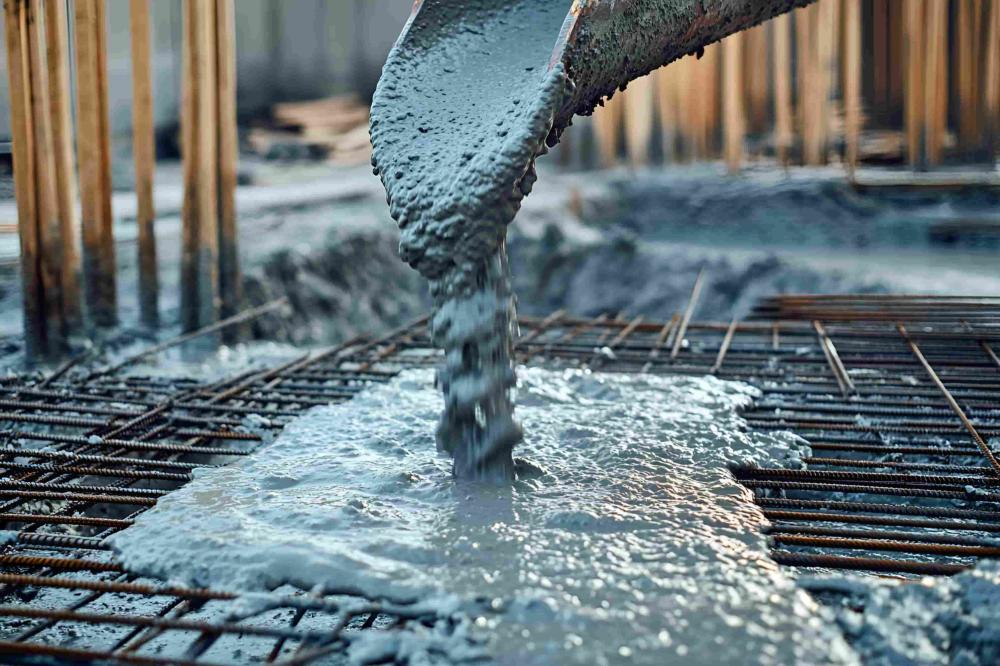
Το σκυρόδεμα υπερυψηλών επιδόσεων (UHPC) αντιπροσωπεύει την πιο προηγμένη γενιά υλικών με βάση το τσιμέντο, που χαρακτηρίζεται από εξαιρετική αντοχή σε θλίψη, ανώτερη ανθεκτικότητα και εξαιρετική εργασιμότητα. Η επίτευξη αυτών των ιδιοτήτων απαιτεί ιδιαίτερα βελτιστοποιημένο σχεδιασμό μίγματος και προηγμένα χημικά πρόσμικτα. Μεταξύ αυτών, Πολυκαρβοξυλικός υπερρευστοποιητής (PCE) παίζει καθοριστικό ρόλο.
Σε αυτό το άρθρο, θα διερευνήσουμε πώς λειτουργεί ο πολυκαρβοξυλικός υπερρευστοποιητής στα συστήματα UHPC, τις τεχνικές παραμέτρους του, τις συστάσεις δοσολογίας, τα ζητήματα συμβατότητας και τα πλεονεκτήματα απόδοσης σε πρακτικές εφαρμογές μηχανικής.
Ⅱ.Τι είναι ο πολυκαρβοξυλικός υπερρευστοποιητής;
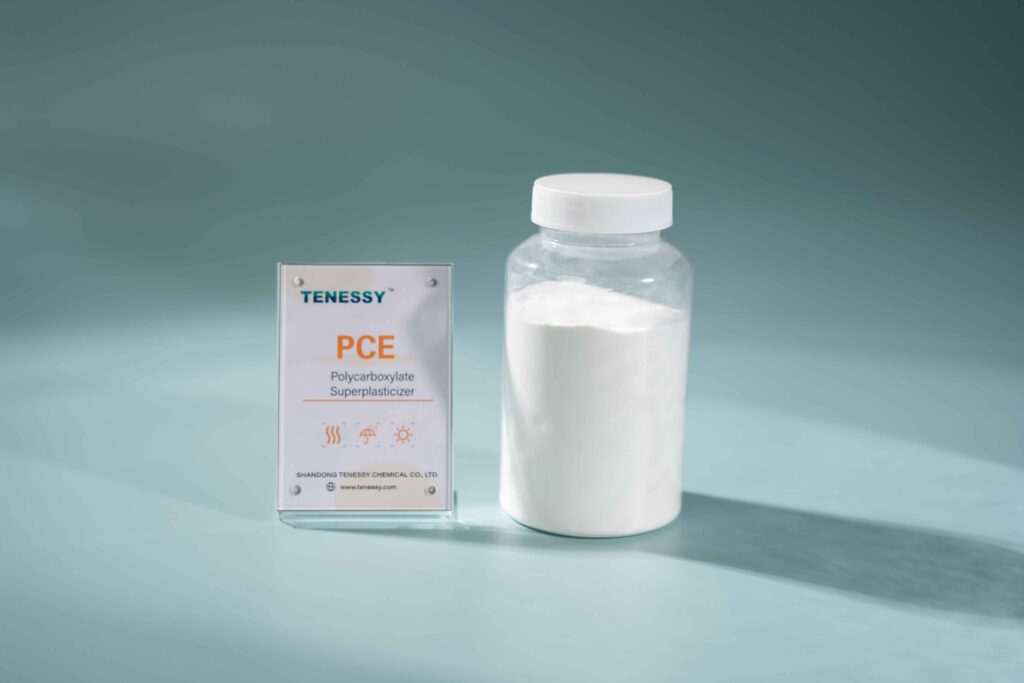
Ο πολυκαρβοξυλικός υπερρευστοποιητής (PCE) είναι ένα πρόσθετο μείωσης του νερού υψηλής εμβέλειας που βασίζεται σε προηγμένη τεχνολογία πολυμερών που μοιάζουν με χτένα. Σε αντίθεση με τους παραδοσιακούς υπερρευστοποιητές με βάση τη ναφθαλίνη ή τη μελαμίνη, τα μόρια του PCE περιέχουν:
- Μια αρνητικά φορτισμένη ραχοκοκαλιά για ηλεκτροστατική απώθηση
- Πλευρικές αλυσίδες πολυαιθέρα που παρέχουν στερική παρεμπόδιση
Αυτός ο μηχανισμός διπλής διασποράς επιτρέπει την ανώτερη διασπορά των σωματιδίων τσιμέντου, με αποτέλεσμα:
- Εξαιρετικά υψηλή μείωση νερού
- Βελτιωμένη ρευστότητα
- Παρατεταμένη συγκράτηση κάθισης
- Ενισχυμένη ανάπτυξη δύναμης
Για εφαρμογές UHPC, όπου ο λόγος νερού προς συνδετικό υλικό (w/b) κυμαίνεται συνήθως από 0,14 έως 0,20, το PCE είναι απαραίτητο.
Ⅲ. Γιατί το UHPC απαιτεί πολυκαρβοξυλικό υπερρευστοποιητή
Τα σκευάσματα UHPC περιλαμβάνουν γενικά:
- Συνηθισμένο τσιμέντο πόρτλαντ (OPC)
- Πυριτικό άλας (10-25%)
- Σκόνη χαλαζία
- Λεπτή χαλαζιακή άμμος
- Χαλύβδινες ίνες (1-3% κατ' όγκο)
- Πολύ χαμηλή περιεκτικότητα σε νερό
Χωρίς έναν υπερρευστοποιητή υψηλής απόδοσης, το μείγμα θα ήταν μη επεξεργάσιμο.
Βασικές προκλήσεις στην UHPC:
- Εξαιρετικά χαμηλή αναλογία νερού-δεσμευτικού υλικού
- Υψηλή περιεκτικότητα σε σκόνη (800-1000 kg/m³ συνδετικού υλικού)
- Υψηλή ειδική επιφάνεια του πυριτικού καπνού
- Απαιτήσεις διασποράς ινών
Ο πολυκαρβοξυλικός υπερρευστοποιητής λύνει αυτές τις προκλήσεις παρέχοντας υψηλή ρευστότητα χωρίς αύξηση της περιεκτικότητας σε νερό.
Ⅳ. Τεχνικές προδιαγραφές του PCE για UHPC
Παρακάτω παρατίθενται τυπικές τεχνικές παράμετροι ενός PCE υψηλής απόδοσης που έχει σχεδιαστεί για εφαρμογές UHPC:
Ακίνητα | Προδιαγραφές |
Εμφάνιση | Ανοιχτό κίτρινο έως άχρωμο υγρό |
Στερεό περιεχόμενο | 40% ±1% |
Τιμή pH | 6.0 - 7.5 |
Πυκνότητα (20°C) | 1,08 ±0,02 g/cm³ |
Περιεκτικότητα σε χλώριο | ≤ 0,1% |
Περιεκτικότητα σε αλκάλια (Na₂O eq.) | ≤ 5.0% |
Ποσοστό μείωσης νερού | ≥ 30% (έως 40%) |
Συγκράτηση Slump | 60-120 λεπτά (ρυθμιζόμενο) |
Συνιστώμενη δοσολογία | 0,15% - 0,35% του βάρους του συνδετικού υλικού |
Για PCE σε μορφή σκόνης (ψεκασμού):
Ακίνητα | Προδιαγραφές |
Εμφάνιση | Λευκή ή ανοιχτοκίτρινη σκόνη |
Περιεκτικότητα σε υγρασία | ≤ 5% |
Στερεό περιεχόμενο | ≥ 95% |
Ποσοστό μείωσης νερού | ≥ 30% |
Ⅴ.Performance Πλεονεκτήματα στην UHPC
1. Δυνατότητα μείωσης του νερού σε υψηλά επίπεδα
Το UHPC απαιτεί εξαιρετικά χαμηλή περιεκτικότητα σε νερό. Ένα υψηλής ποιότητας PCE μπορεί να επιτύχει:
- 30-40% μείωση νερού
- Διατήρηση της ρευστότητας σε αναλογίες w/b κάτω από 0,18
Αυτό επιτρέπει την υπέρβαση των αντοχών σε θλίψη:
- 120 MPa σε 28 ημέρες
- 150-180 MPa σε βελτιστοποιημένα συστήματα
2. Ανώτερη ρευστότητα και ικανότητα αυτοσυμπύκνωσης
Τυπική διάμετρος πίνακα ροής UHPC:
- 240 - 300 mm (χωρίς κραδασμούς)
Πολυκαρβοξυλικός υπερρευστοποιητής εξασφαλίζει:
- Ομοιόμορφη διασπορά πυριτικού κόκκου
- Μειωμένο ιξώδες
- Βελτιωμένη κατανομή χαλύβδινων ινών
3. Εξαιρετική συγκράτηση κοίλανσης
Για προκατασκευασμένα στοιχεία UHPC ή μακρά μεταφορά:
- Αρχική εξάπλωση: 260 mm
- Μετά από 60 λεπτά: ≥ 230 mm
Η απόδοση κατακράτησης μπορεί να προσαρμοστεί με τη ρύθμιση της δομής του πολυμερούς (μακρύτερες πλευρικές αλυσίδες ή επιβραδυντικές ομάδες).
4. Ενισχυμένη ανάπτυξη δύναμης
Βελτιώνοντας τη διασπορά του τσιμέντου και μειώνοντας την κροκίδωση:
- Πρώιμη αντοχή (24 ώρες): (με θερμική σκλήρυνση)
- Αντοχή σε θλίψη 28 ημερών: 120-180 MPa
Το χαμηλότερο πορώδες έχει ως αποτέλεσμα:
- Μειωμένη διαπερατότητα
- Αυξημένη ανθεκτικότητα
- Βελτιωμένη αντίσταση σε ψύξη-απόψυξη
Ⅵ. Συμβατότητα με υλικά UHPC
Ένα PCE υψηλής απόδοσης πρέπει να επιδεικνύει συμβατότητα με:
Τύποι τσιμέντου
- ASTM Τύπος I/II OPC
- CEM I 52.5R
- Τσιμέντο χαμηλής αλκαλικότητας
Συμπληρωματικά τσιμεντοειδή υλικά (SCM)
- Πυριτικό άλας (10-25%)
- Αλεσμένη κοκκοποιημένη σκωρία υψικαμίνου (GGBS)
- Ιπτάμενη τέφρα (κλάση F)
Ίνες
- Ίνες χάλυβα
- Ίνες πολυπροπυλενίου
- Ίνες βασάλτη
Η καλή συμβατότητα εξασφαλίζει σταθερή ροή και αποφεύγει την υπερβολική συμπαρασύρτηση αέρα.
Ⅶ. Συνιστώμενη δοσολογία σε UHPC
Τυπικό εύρος δοσολογίας:
- 18% - 0,30% κατά βάρος του συνολικού συνδετικού υλικού
Παράδειγμα σχεδιασμού μίγματος UHPC:
Στοιχείο | Ποσότητα (kg/m³) |
Τσιμέντο | 750 |
Silica Fume | 180 |
Σκόνη χαλαζία | 150 |
Άμμος | 1000 |
Νερό | 160 |
Χάλυβας Fiber | 150 |
PCE | 2.0 - 3.0 |
Η τελική δοσολογία θα πρέπει να βελτιστοποιηθεί μέσω εργαστηριακών δοκιμών.
Ⅷ. Τομείς εφαρμογής του UHPC με PCE
Ο πολυκαρβοξυλικός υπερρευστοποιητής επιτρέπει τη χρήση UHPC σε:
- Δοκοί γέφυρας
- Προκατασκευασμένα πάνελ πρόσοψης
- Θαλάσσιες δομές
- Πύργοι ανεμογεννητριών
- Εξαρτήματα σιδηροδρόμων υψηλής ταχύτητας
- Λεπτά αρχιτεκτονικά στοιχεία
Στις βιομηχανίες προκατασκευασμένων προϊόντων, η ταχεία ανάπτυξη αντοχής επιτρέπει την αποδιαμόρφωση εντός 24 ωρών σε συνθήκες σκλήρυνσης με ατμό.
Ⅸ. Συμπέρασμα
Ο πολυκαρβοξυλικός υπερρευστοποιητής είναι ένα κρίσιμο συστατικό στο σκυρόδεμα υπερυψηλών επιδόσεων (UHPC). Η προηγμένη μοριακή δομή του παρέχει:
- Υψηλή μείωση νερού (≥30%)
- Εξαιρετική ρευστότητα
- Ανώτερη συγκράτηση της κάθισης
- Ενίσχυση της αντοχής έως 180 MPa
- Συμβατότητα με πυριτικό καπνό και ίνες πυριτίας
Χωρίς την τεχνολογία PCE, το σύγχρονο UHPC δεν θα ήταν τεχνικά ή οικονομικά εφικτό.
Για τους παραγωγούς UHPC που επιδιώκουν βελτιστοποιημένη απόδοση, η επιλογή ενός πολυκαρβοξυλικού υπερρευστοποιητή υψηλής ποιότητας με επαληθευμένες τεχνικές παραμέτρους και δοκιμές συμβατότητας είναι απαραίτητη για την επίτευξη σταθερών και αξιόπιστων αποτελεσμάτων.