Greek
Greek  English
  Arabic
  German
  French
  Indonesian
  Russian
  Italian
  Czech
Czech  Dutch
Dutch  Finnish
  Turkish
  Spanish
  Portuguese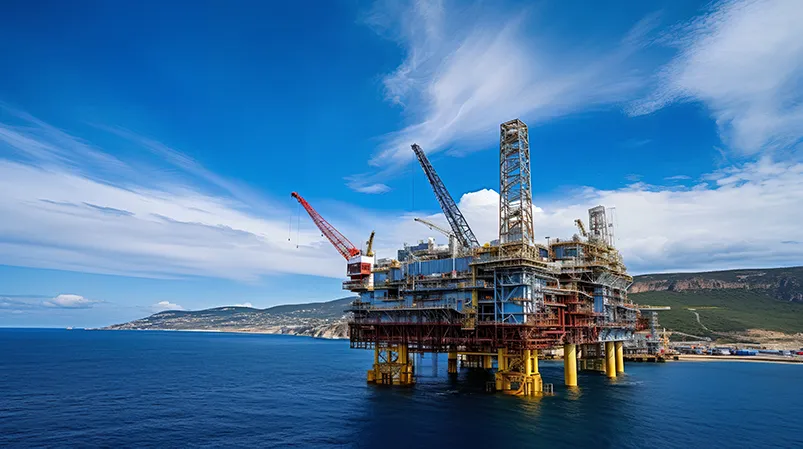
Στο μηχανική γεωτρήσεων πετρελαίου, το υγρό γεώτρησης χρησιμεύει ως το "αίμα της γεώτρησης" και η απόδοσή του καθορίζει άμεσα την αποδοτικότητα της γεώτρησης, τη σταθερότητα της γεώτρησης και την ασφάλεια της γεώτρησης. Η πολυανιονική κυτταρίνη (PAC), ένα υδατοδιαλυτό πολυμερές υψηλού μοριακού βάρους που παράγεται με τροποποίηση της φυσικής κυτταρίνης με αιθεροποίηση, έχει γίνει απαραίτητο βασικό πρόσθετο στα συστήματα υγρών γεώτρησης με βάση το νερό λόγω των εξαιρετικών ιδιοτήτων του, όπως η πύκνωση, η μείωση των απωλειών υγρού, η σταθεροποίηση των τοιχωμάτων και η αντοχή στη μόλυνση. Είναι κατάλληλο για σύνθετες συνθήκες γεώτρησης, συμπεριλαμβανομένων του γλυκού νερού, του αλμυρού νερού και των υψηλών θερμοκρασιών, αντιμετωπίζοντας αποτελεσματικά τις τεχνικές προκλήσεις που αντιμετωπίζονται κατά τη διάρκεια της γεώτρησης, όπως η κατάρρευση της γεώτρησης, οι υψηλές απώλειες ρευστού και οι δυσκολίες στη μεταφορά κομματιών. Το PAC διαδραματίζει αναντικατάστατο ρόλο στην ενίσχυση της συνολικής απόδοσης των υγρών γεώτρησης, στη διασφάλιση της ασφάλειας των γεωτρήσεων και στη μείωση του λειτουργικού κόστους. Το παρόν άρθρο αναλύει συστηματικά τις βασικές λειτουργίες, τους μηχανισμούς δράσης, τα πλεονεκτήματα απόδοσης και τις εκτιμήσεις εφαρμογής του PAC στη γεώτρηση, με βάση τις πραγματικές συνθήκες γεώτρησης πετρελαίου, παρέχοντας θεωρητικές και πρακτικές αναφορές για τη μηχανική εφαρμογή του.
I. Βασικά χαρακτηριστικά της πολυανιονικής κυτταρίνης (PAC)
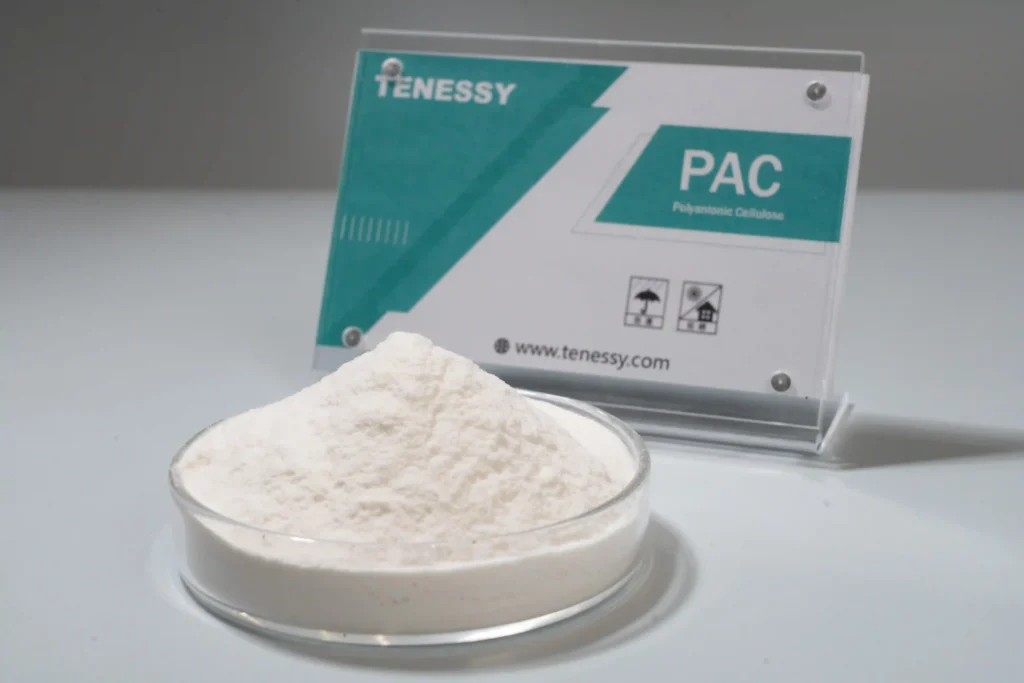
Πολυανιονική κυτταρίνη (PAC) είναι μια τροποποιημένη αιθέρας κυτταρίνης παράγεται με την αντίδραση της κυτταρίνης με έναν αιθεροποιητικό παράγοντα, εισάγοντας ανιονικές ομάδες όπως καρβοξυμεθυλικές και υδροξυαιθυλικές ομάδες στη μοριακή αλυσίδα της κυτταρίνης. Τα βασικά χαρακτηριστικά της ευθυγραμμίζονται με τις πολύπλοκες απαιτήσεις της γεώτρησης πετρελαίου:
1. Παρουσιάζει εξαιρετική υδατοδιαλυτότητα, διαλύεται γρήγορα τόσο σε κρύο όσο και σε ζεστό νερό χωρίς σημαντική συσσωμάτωση, επιτρέποντάς του να δράσει γρήγορα.
2. Διαθέτει εξαιρετική αντοχή στη θερμοκρασία και στα άλατα, διατηρώντας σταθερή απόδοση σε εύρος θερμοκρασιών 80-200°C και σε περιβάλλοντα υψηλής αλατότητας (αλατότητα έως 200.000 mg/L), καθιστώντας το κατάλληλο για γεωτρήσεις σε μεγάλα βάθη, εξαιρετικά μεγάλα βάθη και γεωτρήσεις σε σχηματισμούς υψηλής αλατότητας.
3. Διαθέτει ισχυρές δυνατότητες ελέγχου της ρεολογίας, επιτρέποντας την ευέλικτη ρύθμιση του ιξώδους και της διατμητικής τάσης του υγρού γεώτρησης, συνδυάζοντας παχυντικές και θιξοτροπικές ιδιότητες.
4. Είναι φιλικό προς το περιβάλλον και μη τοξικό, με εξαιρετική βιοαποικοδομησιμότητα και χωρίς τοξικά κατάλοιπα, ευθυγραμμιζόμενο με τις περιβαλλοντικές απαιτήσεις των σύγχρονων γεωτρήσεων.
5. Παρουσιάζει καλή συμβατότητα, λειτουργώντας συνεργιστικά με διάφορα συστήματα υγρών γεώτρησης (όπως πολυσουλφονικά και πετρελαϊκά συστήματα) και άλλα πρόσθετα χωρίς καθίζηση ή σύγκρουση, και εξαλείφει την ανάγκη για πρόσθετα βακτηριοκτόνα για την πρόληψη της ζύμωσης και της φθοράς.
Αυτά τα χαρακτηριστικά το διακρίνουν από τους συνηθισμένους αιθέρες κυτταρίνης, καθιστώντας το προτιμώμενο πρόσθετο για σύνθετες συνθήκες γεώτρησης.
II. Βασικές λειτουργίες και μηχανισμοί της πολυανιονικής κυτταρίνης στη γεώτρηση πετρελαίου
Ο ρόλος της PAC στις γεωτρήσεις πετρελαίου καλύπτει ολόκληρη τη διαδικασία γεώτρησης, εστιάζοντας σε τρεις βασικές λειτουργίες: τον έλεγχο της ρεολογίας, τη μείωση των απωλειών ρευστού και τη σταθεροποίηση του πηγαδιού. Διαδραματίζει επίσης σημαντικό ρόλο στην αντίσταση στη μόλυνση και στη βοηθητική μεταφορά κομματιών. Αυτές οι λειτουργίες αλληλεπιδρούν συνεργικά για να διασφαλίσουν την ομαλή εξέλιξη των εργασιών γεώτρησης.
(1) Λειτουργία ελέγχου ρεολογίας
Οι ρεολογικές ιδιότητες του υγρού γεώτρησης επηρεάζουν άμεσα τη μεταφορά των κομματιών, τον έλεγχο της πίεσης της αντλίας και την αποτελεσματικότητα της γεώτρησης. Το PAC ρυθμίζει με ακρίβεια το ιξώδες και τη διατμητική τάση του υγρού γεώτρησης μέσω της εμπλοκής και των αλλαγών προσανατολισμού των μοριακών αλυσίδων του, προσδίδοντάς του εξαιρετικά χαρακτηριστικά διατμητικής αραίωσης.
Ο μηχανισμός δράσης του έχει ως εξής: Η διαμοριακή εμπλοκή σχηματίζει μια δομή δικτύου που αυξάνει την εσωτερική τριβή του υγρού, αυξάνοντας έτσι το φαινόμενο ιξώδες και το πλαστικό ιξώδες του υγρού γεώτρησης. Υπό υψηλούς ρυθμούς διάτμησης (όπως στο περιστρεφόμενο τρυπάνι), οι μοριακές αλυσίδες ευθυγραμμίζονται, η δομή του δικτύου διασπάται προσωρινά, το ιξώδες μειώνεται, μειώνοντας την πίεση της αντλίας γεώτρησης και την κατανάλωση ενέργειας. Υπό χαμηλούς ρυθμούς διάτμησης (όπως στον δακτύλιο της γεώτρησης), οι μοριακές αλυσίδες αναδιπλώνονται, το ιξώδες αυξάνεται, ενισχύοντας την ικανότητα αναστολής του υγρού γεώτρησης και εμποδίζοντας την καθίζηση και τη συσσώρευση κομματιών.
Επιπλέον, το PAC μπορεί να αυξήσει το σημείο διαρροής και την αντοχή σε γέλη του υγρού γεώτρησης, βελτιώνοντας τη θιξοτροπία του, η οποία βοηθά στην αποφυγή προβλημάτων όπως η απώλεια υγρού και η καθίζηση άμμου κατά τη διάρκεια της γεώτρησης, καθιστώντας το ιδιαίτερα κατάλληλο για βαθιά πηγάδια, κεκλιμένα πηγάδια και οριζόντια πηγάδια, εξασφαλίζοντας την ομαλή κυκλοφορία του υγρού γεώτρησης.
(2) Λειτουργία μείωσης απώλειας υγρών
Κατά τη διάρκεια της γεώτρησης, όταν το υγρό γεώτρησης έρχεται σε επαφή με το πέτρωμα του σχηματισμού, τα υγρά συστατικά τείνουν να διαπερνούν τον σχηματισμό, οδηγώντας σε υπερβολική απώλεια υγρού, η οποία μπορεί να προκαλέσει βλάβη στον σχηματισμό και αστάθεια της γεώτρησης. Το PAC μειώνει αποτελεσματικά την απώλεια υγρού μέσω μιας διπλής δράσης "σχηματισμού φιλμ + αύξησης ιξώδους". Από τη μία πλευρά, τα μόρια PAC προσροφώνται στην επιφάνεια του πετρώματος της γεώτρησης, σχηματίζοντας ένα λεπτό, πυκνό και σκληρό κέικ φίλτρου μέσω διαμοριακών δυνάμεων. Αυτό το κέικ φίλτρου έχει μικρούς πόρους και χαμηλή διαπερατότητα, εμποδίζοντας αποτελεσματικά τη διαπερατότητα του υγρού από το ρευστό γεώτρησης. Ταυτόχρονα, η ανθεκτικότητα του κέικ φίλτρου του επιτρέπει να αντέχει την τριβή και την πίεση του υγρού γεώτρησης χωρίς να σπάει εύκολα. Από την άλλη πλευρά, το PAC αυξάνει το ιξώδες του διηθήματος του ρευστού γεώτρησης, δημιουργώντας μια δομή δικτύου που εμποδίζει τη ροή των μορίων του ρευστού, ενισχύοντας περαιτέρω την αντίσταση στη διείσδυση και μειώνοντας την απώλεια ρευστού. Αυτή η επίδραση μείωσης της απώλειας ρευστού είναι ιδιαίτερα σημαντική σε ιδιαίτερα διαπερατούς και ευαίσθητους στο νερό σχηματισμούς, αποτρέποντας την εισβολή διηθήματος που θα μπορούσε να οδηγήσει σε διόγκωση αργίλου και μείωση της διαπερατότητας, προστατεύοντας έτσι τον ταμιευτήρα πετρελαίου και φυσικού αερίου.
(3) Λειτουργία σταθεροποίησης της γεώτρησης
Η σταθερότητα της γεώτρησης έχει κεντρικό ρόλο στην ασφάλεια της γεώτρησης. Το PAC ενισχύει πρωτίστως τη σταθερότητα του πηγαδιού μέσω δύο μηχανισμών: αναστολή της διόγκωσης της ενυδάτωσης της αργίλου και ενίσχυση της τσιμεντοποίησης του πηγαδιού. Σε υδατοευαίσθητους σχηματισμούς που περιέχουν άργιλο ή σχιστόλιθο, οι ανιονικές ομάδες στις μοριακές αλυσίδες PAC υφίστανται προσρόφηση ανταλλαγής με κατιόντα στις επιφάνειες των σωματιδίων αργίλου, σχηματίζοντας ένα προστατευτικό φιλμ γύρω από τα σωματίδια αργίλου. Αυτό εμποδίζει την είσοδο μορίων νερού στο εσωτερικό της αργίλου, αναστέλλοντας έτσι τη διόγκωση και τη διασπορά της ενυδάτωσης της αργίλου, μειώνοντας την εμφάνιση κατάρρευσης και συρρίκνωσης της γεώτρησης. Ταυτόχρονα, το PAC ενθυλακώνει τα αποκόμματα γεωτρήσεων και τα υπολείμματα πετρώματος του πηγαδιού, εμποδίζοντας τη διασπορά και τον κατακερματισμό τους, ενισχύοντας την αντοχή τσιμεντοποίησης του πετρώματος του πηγαδιού και σχηματίζοντας μια σταθερή δομή του πηγαδιού. Επιπλέον, το πυκνό κέικ φίλτρου που σχηματίζεται από το PAC απομονώνει περαιτέρω το ρευστό γεώτρησης από τον σχηματισμό, μειώνοντας τη διάβρωση της γεώτρησης από τα ρευστά του σχηματισμού. Αυτό εφαρμόζεται ιδιαίτερα σε ασταθείς σχηματισμούς, όπως ο μαλακός λασπόλιθος και ο σχιστόλιθος, μειώνοντας σημαντικά τη συχνότητα εμφάνισης προβλημάτων στη γεώτρηση, όπως το κόλλημα του σωλήνα και η κατάρρευση της γεώτρησης.
(4) Άλλες βοηθητικές λειτουργίες
Εκτός από τις παραπάνω βασικές λειτουργίες, το PAC παρουσιάζει επίσης καλή αντοχή στη ρύπανση και βοηθητικές δυνατότητες μεταφοράς αποκομμάτων. Κατά τη διάρκεια της γεώτρησης, ιόντα αλάτων, βαρέα μέταλλα από τον σχηματισμό και απόβλητα γεώτρησης μπορούν να μολύνουν το υγρό γεώτρησης, υποβαθμίζοντας την απόδοσή του. Η εξαιρετική αντοχή του PAC στα άλατα και στις μολύνσεις του επιτρέπει να αντέχει στις παρεμβολές από ιόντα άλατος και ακαθαρσίες, διατηρώντας σταθερή απόδοση του ρευστού γεώτρησης και μειώνοντας τη συχνότητα κλιματισμού και αντικατάστασης του ρευστού. Ταυτόχρονα, αυξάνοντας το ιξώδες και την ικανότητα αιώρησης του ρευστού γεώτρησης, το PAC βοηθά στη μεταφορά των κομματιών που παράγονται κατά τη διάρκεια της γεώτρησης, εξασφαλίζοντας την ταχεία απομάκρυνση των κομματιών από τη γεώτρηση, αποτρέποντας προβλήματα όπως το κόλλημα του σωλήνα και το μπλοκάρισμα της οπής που προκαλούνται από την καθίζηση των κομματιών, βελτιώνοντας έτσι την αποτελεσματικότητα της γεώτρησης. Επιπλέον, το PAC μπορεί να βελτιώσει τη λιπαντική ικανότητα του υγρού γεώτρησης, μειώνοντας την αντίσταση τριβής μεταξύ του γεωτρύπανου και της γεώτρησης και παρατείνοντας τη διάρκεια ζωής των εργαλείων γεώτρησης.
III. Σύγκριση επιδόσεων της πολυανιονικής κυτταρίνης με άλλα πρόσθετα υγρών γεώτρησης
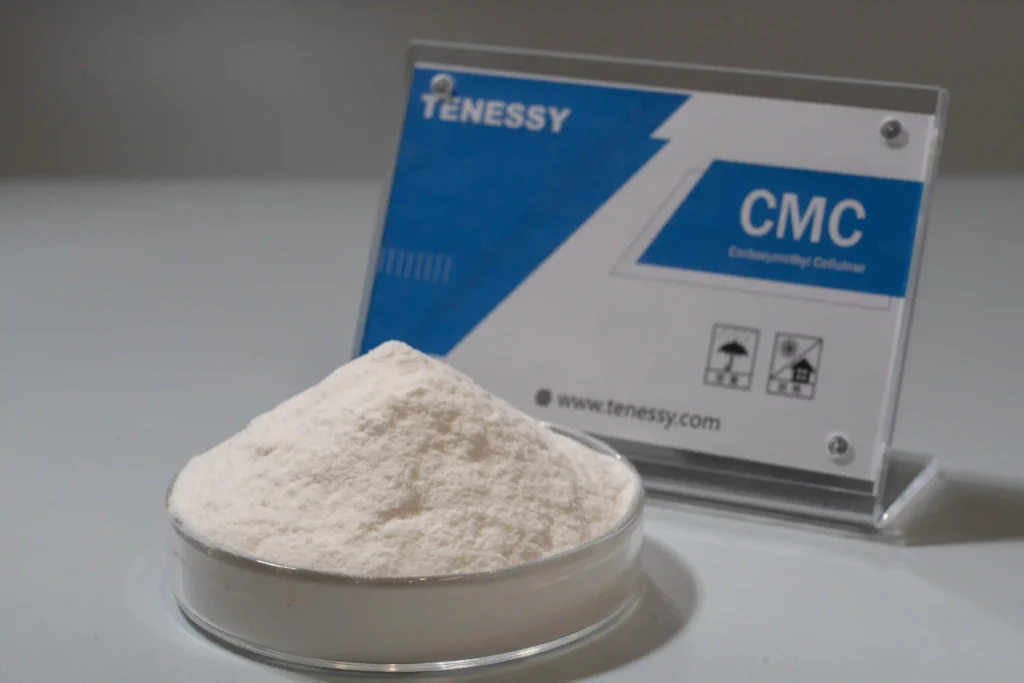
Στις γεωτρήσεις πετρελαίου, τα κοινά πρόσθετα με βάση την κυτταρίνη περιλαμβάνουν PAC, νάτριο καρβοξυμεθυλοκυτταρίνη (CMC), και υδροξυαιθυλοκυτταρίνη (HEC). Μεταξύ τους υπάρχουν διαφορές στις επιδόσεις και στα σενάρια εφαρμογών, όπως περιγράφονται αναλυτικά στη σύγκριση που ακολουθεί:
| Δείκτης επιδόσεων | Πολυανιονική κυτταρίνη (PAC) | Καρβοξυμεθυλοκυτταρίνη νατρίου (CMC) | Υδροξυαιθυλοκυτταρίνη (HEC) |
|---|---|---|---|
| Αντοχή στη θερμοκρασία | Εξαιρετικό, αντέχει στους 80-200°C, κατάλληλο για βαθιά/υπερβαθιά φρεάτια | Μέτρια, αντέχει ≤120°C, ακατάλληλο για γεωτρήσεις σε υψηλές θερμοκρασίες | Καλό, αντέχει ≤150°C, κατάλληλο για μέτριες συνθήκες θερμοκρασίας |
| Αντοχή στο αλάτι | Εξαιρετικά ισχυρή, αντέχει στην αλατότητα έως 200.000 mg/L, εξαιρετική προσαρμοστικότητα για λάσπη αλμυρού νερού | Κακή, υποβαθμίζεται σε περιβάλλοντα με υψηλή αλατότητα, σημαντική απώλεια επιδόσεων | Καλή, αντοχή στο αλάτι καλύτερη από την CMC, δεν είναι κατάλληλη για κορεσμένη λάσπη αλμυρού νερού |
| Έλεγχος απώλειας υγρών | Εξαιρετικό, σχηματίζει πυκνό κέικ φίλτρου, η απώλεια υγρού μπορεί να ελεγχθεί εντός 3 mL | Καλή, ανθεκτικότητα του κέικ φίλτρου γενικά χαμηλότερη, επιρρεπής στο σπάσιμο | Καλή, πυκνότητα κέικ φίλτρου ελαφρώς κατώτερη από την PAC |
| Σταθερότητα γεωτρήσεων | Εξαιρετικά ισχυρό, αναστέλλει σημαντικά τη διόγκωση της ενυδάτωσης του αργίλου, κατάλληλο για σχηματισμούς ευαίσθητους στο νερό | Μέτρια, κατάλληλη μόνο για συνήθεις αργιλικούς σχηματισμούς | Καλό, ισχυρό αποτέλεσμα ενθυλάκωσης, σταθερότητα καλύτερη από την CMC |
| Συμβατότητα | Εξαιρετικό, συμβατό και συνεργιστικό με διάφορα συστήματα υγρών γεώτρησης και πρόσθετα | Μέτρια, επιρρεπής σε κροκίδωση με κατιονικά πρόσθετα | Καλή, μη ιονική φύση που παρέχει καλύτερη συμβατότητα από την CMC |
| Εφαρμοστέα σενάρια | Βαθιά πηγάδια, εξαιρετικά βαθιά πηγάδια, σχηματισμοί υψηλής αλατότητας, ευαίσθητοι στο νερό σχηματισμοί, υπεράκτιες γεωτρήσεις | Αβαθή πηγάδια, γεωτρήσεις γλυκού νερού, συνήθεις αργιλικοί σχηματισμοί | Γεωτρήσεις μεσαίου βάθους, σχηματισμοί γλυκού νερού/μέτριας αλατότητας, συμβατική γεώτρηση |
Όπως δείχνει ο πίνακας, το PAC υπερτερεί έναντι των CMC και HEC όσον αφορά την αντοχή στη θερμοκρασία, την αντοχή στα άλατα, τη μείωση των απωλειών ρευστού, τη σταθεροποίηση του φρέατος και τη συμβατότητα. Είναι ιδιαίτερα κατάλληλο για σύνθετες συνθήκες γεώτρησης, χρησιμεύοντας ως πρόσθετο πυρήνα για έργα γεώτρησης υψηλών προδιαγραφών, ενώ τα CMC και HEC είναι περισσότερο εφαρμόσιμα σε συμβατικά ρηχά πηγάδια και σενάρια γεώτρησης γλυκού νερού.
IV. Βασικά σημεία εφαρμογής και προφυλάξεις για την πολυανιονική κυτταρίνη
(1)Ορθολογικός έλεγχος της δοσολογίας
Η δοσολογία του PAC επηρεάζει άμεσα την απόδοση του ρευστού γεώτρησης και πρέπει να προσαρμόζεται με βάση τις συνθήκες γεώτρησης, τα χαρακτηριστικά του σχηματισμού και το σύστημα του ρευστού γεώτρησης. Στα υγρά γεώτρησης γλυκού νερού, η δοσολογία είναι συνήθως 0,3% - 1,0% (κατά βάρος). Σε λάσπη αλμυρού νερού ή σε λάσπη κορεσμένου αλμυρού νερού, η δοσολογία πρέπει να αυξηθεί κατάλληλα σε 0,5% - 1,5%. Για βαθιά πηγάδια, εξαιρετικά βαθιά πηγάδια και ευαίσθητους στο νερό σχηματισμούς, η δοσολογία μπορεί να προσαρμοστεί σε 0,8% - 1,2%. Η ανεπαρκής δοσολογία οδηγεί σε ανεπαρκή πάχυνση, έλεγχο των απωλειών ρευστού και σταθεροποίηση της γεώτρησης. Η υπερβολική δοσολογία καθιστά το ρευστό γεώτρησης υπερβολικά ιξώδες, αυξάνει την πίεση της αντλίας, μειώνει την επιχειρησιακή απόδοση και αυξάνει το κόστος.
(2)Σωστή μέθοδος διάλυσης
Για να αποφευχθεί η συσσωμάτωση κατά τη διάλυση των ΠΑΚ, χρησιμοποιούνται δύο κοινές μέθοδοι: Πρώτον, η μέθοδος ξηρής ανάμιξης περιλαμβάνει την ομοιόμορφη ανάμιξη του PAC με το βασικό υλικό του ρευστού γεώτρησης και στη συνέχεια την αργή προσθήκη του μείγματος στο βασικό ρευστό υπό ανάδευση. Η ταχύτητα ανάδευσης πρέπει να διατηρείται στις 1000-2000 στροφές ανά λεπτό για 30 λεπτά έως 2 ώρες μέχρι την πλήρη διάλυση. Δεύτερον, η μέθοδος προ-ενυδάτωσης περιλαμβάνει την προ-διάβρεξη του PAC σε μικρή ποσότητα νερού (αναλογία μάζας PAC:νερό 1:10 έως 1:20) για να σχηματιστεί μια πάστα, η οποία στη συνέχεια προστίθεται στο ρευστό βάσης γεωτρήσεων και αναδεύεται ομοιόμορφα. Η επαρκής ανάδευση κατά τη διάρκεια της διάλυσης είναι ζωτικής σημασίας για την αποφυγή τοπικών υψηλών συγκεντρώσεων που μπορεί να προκαλέσουν συσσωμάτωση και να επηρεάσουν την απόδοση.
(3)Συμβατότητα και περιβαλλοντικός έλεγχος
Το PAC παρουσιάζει καλή συμβατότητα με τα περισσότερα πρόσθετα υγρών γεώτρησης (όπως τα διασκορπιστικά, Αποφλοιωτές, και παράγοντες κατά της απολέπισης). Ωστόσο, θα πρέπει να αποφεύγεται η ανάμειξη μεγάλων ποσοτήτων με ισχυρά κατιονικά πρόσθετα για την αποφυγή κροκίδωσης που θα μπορούσε να αποσταθεροποιήσει το σύστημα υγρού γεώτρησης. Επιπλέον, ο έλεγχος του pH του ρευστού γεώτρησης εντός του εύρους 6,0 έως 8,0 βελτιστοποιεί την απόδοση του PAC. Για την αποθήκευση, το PAC θα πρέπει να διατηρείται σε ξηρό, καλά αεριζόμενο περιβάλλον για να αποφευχθεί η απορρόφηση υγρασίας και η συσσωμάτωση, η οποία θα επηρέαζε την αποτελεσματικότητά του.
(4)Παρακολούθηση και προσαρμογή επιδόσεων
Κατά τη διάρκεια της γεώτρησης, είναι απαραίτητη η τακτική παρακολούθηση των ιδιοτήτων του υγρού γεώτρησης, όπως το ιξώδες, η απώλεια υγρού και η διατμητική τάση. Θα πρέπει να γίνονται προσαρμογές στη δοσολογία του PAC με βάση τα αποτελέσματα της παρακολούθησης, ώστε να διασφαλίζεται ότι η απόδοση του υγρού γεώτρησης ανταποκρίνεται σταθερά στις επιχειρησιακές απαιτήσεις. Εάν εμφανιστούν προβλήματα όπως αυξημένη απώλεια ρευστού ή αστάθεια της γεώτρησης, η δοσολογία PAC μπορεί να αυξηθεί κατάλληλα. Εάν το ιξώδες του υγρού γεώτρησης γίνει πολύ υψηλό, η δοσολογία μπορεί να μειωθεί ή να συνδυαστεί με κατάλληλα αραιωτικά για προσαρμογή.
IV. Συμπέρασμα
Η πολυανιονική κυτταρίνη, αξιοποιώντας τις εξαιρετικές της ιδιότητες αντίστασης στη θερμοκρασία και στα άλατα, τη μείωση των απωλειών ρευστού, τη σταθεροποίηση της γεώτρησης και τον έλεγχο της ρεολογίας, διαδραματίζει βασικό ρόλο στις γεωτρήσεις πετρελαίου. Είναι ιδιαίτερα κατάλληλη για σύνθετες συνθήκες, όπως βαθιά πηγάδια, εξαιρετικά βαθιά πηγάδια, σχηματισμούς υψηλής αλατότητας και ευαίσθητους στο νερό σχηματισμούς. Αντιμετωπίζει αποτελεσματικά τις τεχνικές προκλήσεις που αντιμετωπίζονται κατά τη διάρκεια της γεώτρησης, όπως η κατάρρευση της γεώτρησης, οι υψηλές απώλειες ρευστού και οι δυσκολίες στη μεταφορά των κομματιών, βελτιώνοντας την αποτελεσματικότητα της γεώτρησης, εξασφαλίζοντας την ασφάλεια της γεώτρησης, ενώ παράλληλα μειώνει το λειτουργικό κόστος και τις περιβαλλοντικές επιπτώσεις. Σε σύγκριση με τα παραδοσιακά πρόσθετα με βάση την κυτταρίνη, το PAC προσφέρει ανώτερη συνολική απόδοση και ισχυρότερη συμβατότητα, καθιστώντας το απαραίτητο βασικό πρόσθετο στις σύγχρονες γεωτρήσεις πετρελαίου.
Καθώς οι γεωτρήσεις πετρελαίου προχωρούν προς βαθιές γεωτρήσεις, υπερβαθείς γεωτρήσεις και πολύπλοκους σχηματισμούς, οι απαιτήσεις επιδόσεων για τα υγρά γεώτρησης συνεχίζουν να αυξάνονται. Η τροποποίηση και η εφαρμογή της πολυανιονικής κυτταρίνης θα αναβαθμιστεί περαιτέρω. Στο μέλλον, βελτιστοποιώντας τις διαδικασίες αιθεροποίησης, ενισχύοντας τα όρια αντοχής στη θερμοκρασία και στα άλατα και ενισχύοντας τα συνεργιστικά αποτελέσματα με άλλα πρόσθετα, η PAC θα διαδραματίσει ακόμη πιο σημαντικό ρόλο στον τομέα των γεωτρήσεων πετρελαίου, παρέχοντας ισχυρή υποστήριξη για την αποτελεσματική και ασφαλή εξόρυξη των πετρελαϊκών πόρων.