Indonesian
  English
  Arabic
  German
  French
  Russian
  Italian
  Czech
Czech  Dutch
Dutch  Finnish
  Turkish
  Greek
Greek  Spanish
  Portuguese
Ⅰ.Pendahuluan
Dalam teknik dekorasi arsitektur modern, perekat ubinsebagai bahan inti untuk pemasangan ubin, secara langsung menentukan keamanan dan daya tahan sistem kelongsong. Dengan kemajuan ilmu pengetahuan bahan bangunan, penggunaan aditif telah menjadi sarana penting untuk meningkatkan kinerja perekat ubin. Diantaranya, Hydroxypropyl Methylcellulose (HPMC), sebagai aditif polimer multifungsi, memainkan peran yang tak tergantikan dalam formulasi perekat ubin. Artikel ini membahas mekanisme kompleks dimana dosis HPMC mempengaruhi kekuatan ikatan perekat ubin, memberikan dasar teori dan panduan praktis untuk mengoptimalkan formula perekat ubin melalui data ilmiah dan analisis aplikasi praktis.
Mekanisme HPMC dalam Perekat Ubin
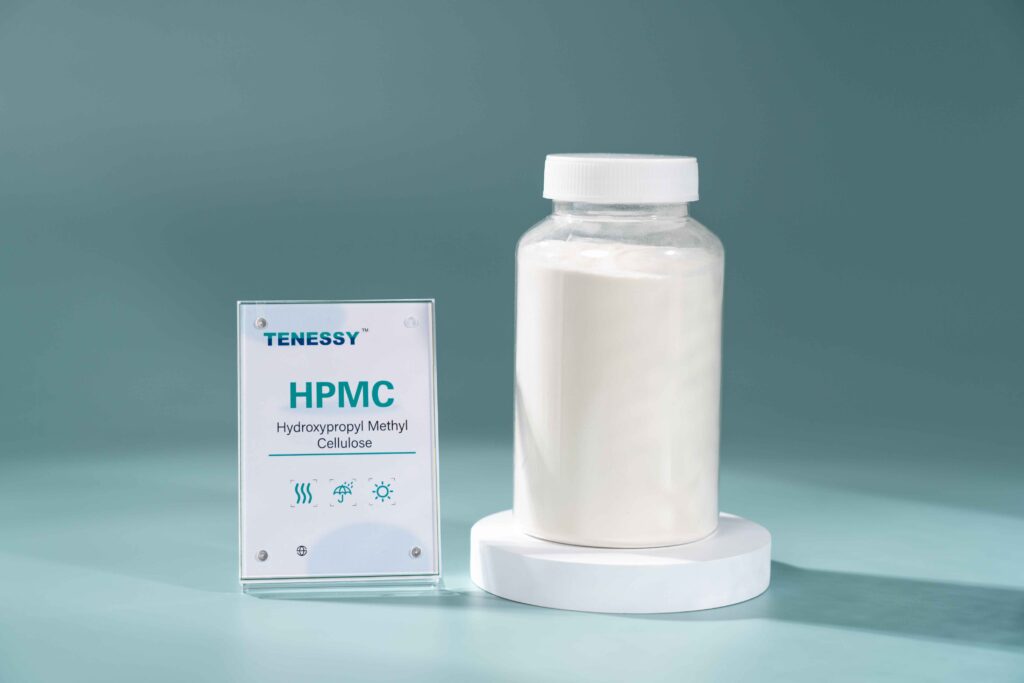
Hidroksipropil Metilselulosa (HPMC) adalah selulosa eter non-ionik semi-sintetik yang diperoleh melalui modifikasi kimiawi dari selulosa alami. Dalam sistem perekat ubin, HPMC terutama berfungsi dengan cara berikut:
Retensi Air: Molekul HPMC mengandung banyak gugus hidrofilik yang secara efektif menyerap molekul air bebas, memperlambat migrasi air ke dalam substrat berpori. Hal ini memastikan waktu yang cukup untuk hidrasi semen yang sempurna, sehingga meningkatkan kepadatan dan kekuatan matriks semen.
Sifat Penebalan dan Anti-Kendur: HPMC dapat membentuk struktur jaringan tiga dimensi dalam larutan air, secara signifikan meningkatkan viskositas pasta. Hal ini memberikan sifat anti selip yang sangat baik pada mortar basah, mencegah ubin melorot selama pemasangan pada permukaan vertikal dan memastikan presisi konstruksi.
Peningkatan Kemampuan Kerja: Penambahan HPMC yang tepat akan memperpanjang waktu buka (waktu penyesuaian) perekat ubin dan meningkatkan pelumasan dan kehalusan pasta, sehingga aplikasi menjadi lebih nyaman dan efisien.
Kohesi yang Ditingkatkan: HPMC sendiri memiliki kapasitas pengikatan tertentu, memperkuat ikatan antara partikel internal mortar dan mengurangi terjadinya retakan susut.
Ⅲ. Pola Pengaruh Dosis HPMC terhadap Kekuatan Ikatan
1. Kisaran Dosis Rendah (0,1% - 0,3%)
Dalam kisaran ini, HPMC terutama memberikan retensi air dasar, tetapi efeknya terbatas:
Kinerja Kekuatan Ikatan: Kekuatan ikatan tarik 28 hari biasanya 0,8 - 1,0 MPa.
Analisis Mekanisme: Retensi air yang tidak mencukupi menyebabkan hidrasi semen yang tidak sempurna, terutama pada substrat berpori di mana kehilangan air yang cepat sangat mempengaruhi pengembangan kekuatan.
Kemampuan kerja: Waktu buka yang singkat (biasanya 15-20 menit), kemampuan anti selip rata-rata.
Skenario yang Berlaku: Hanya cocok untuk proyek sementara dengan persyaratan rendah atau pada substrat yang sangat padat.
2. Rentang Performa Optimal (0,3% - 0,5%)
Ini adalah "rentang emas" yang lebih disukai untuk sebagian besar formulasi perekat ubin:
Kekuatan Ikatan Puncak: Kekuatan ikatan tarik 28 hari dapat mencapai 1,2 - 1,5 MPa, mewakili peningkatan 30%-50% dibandingkan dengan kelompok kontrol tanpa HPMC.
Mekanisme Tindakan:
Tingkat retensi air dapat melebihi 95%, memastikan hidrasi semen secara menyeluruh.
Membentuk struktur jaringan tiga dimensi yang sesuai, meningkatkan kohesi pasta.
Mengoptimalkan struktur pori-pori matriks semen, mengurangi proporsi pori-pori yang berbahaya.
Data Eksperimental: Penelitian menunjukkan bahwa ketika dosis HPMC adalah 0,4%, kekuatan ikatan perekat ubin mencapai nilai maksimum di berbagai substrat, dengan tingkat retensi kekuatan pasca-perendaman melebihi 75%.
Kemampuan kerja: Waktu buka diperpanjang hingga 25-35 menit, performa anti selip yang sangat baik, dan kehalusan aplikasi yang baik.
3. Kisaran Dosis Tinggi (0,5% - 0,8%)
Di luar kisaran optimal, performa menunjukkan titik balik:
Perubahan Kekuatan Ikatan: Kekuatan mulai menurun ketika dosis melebihi 0,5%; pada 0,8%, kekuatan dapat turun di bawah 1,0 MPa.
Mekanisme Dampak Negatif:
Pengentalan yang berlebihan membuat pencampuran menjadi sulit, sehingga menimbulkan gelembung udara yang berlebihan yang menciptakan titik konsentrasi tegangan.
Waktu retensi air yang terlalu lama akan menunda pengembangan kekuatan, terutama kekuatan awal.
Viskositas yang tinggi menghalangi pengemasan partikel semen yang rapat, yang mempengaruhi kepadatan matriks yang mengeras.
Masalah Lainnya: Peningkatan biaya yang signifikan, potensi peningkatan penyusutan pengeringan, dan kemungkinan berkurangnya keterbasahan pada substrat tertentu.
Ⅳ. Pertimbangan Komprehensif atas Faktor-faktor yang Mempengaruhi
1. Karakteristik Substrat
Substrat dengan daya serap tinggi (misalnya, beton aerasi, papan ceramsite): Dosis yang relatif lebih tinggi yaitu 0,4% - 0,5% direkomendasikan untuk mengatasi kehilangan air yang cepat.
Substrat dengan daya serap rendah (misalnya, ubin yang sudah ada, beton padat): 0,3% - 0,4% sudah cukup; kelebihan dapat mempengaruhi pembasahan dan pengikatan.
2. Kondisi Lingkungan
Lingkungan bersuhu tinggi dan kelembapan rendah: Tingkatkan dosis secara tepat sebesar 0,1% - 0,2% untuk memerangi penguapan air.
Lingkungan bersuhu rendah dan kelembaban tinggi: Kurangi sedikit dosis untuk menghindari perlambatan pengaturan yang berlebihan.
3. Jenis dan Kelas Semen
Komposisi mineral dan kehalusan semen yang berbeda mempengaruhi kebutuhan air dan tingkat hidrasi. Rasio yang tepat harus ditentukan melalui eksperimen. Semen Portland biasa biasanya membutuhkan dosis HPMC yang sedikit lebih tinggi dibandingkan dengan semen berkekuatan awal.
4. Efek Sinergis dengan Bahan Tambahan Lain
Dalam formulasi praktis, HPMC sering digunakan dalam kombinasi dengan bahan tambahan berikut:
Bubuk Polimer yang Dapat Dilarutkan (RDP): Keduanya memiliki efek penguatan yang sinergis, tetapi rasio dosis harus seimbang.
Selulosa Eter : HPMC dengan tingkat viskositas yang berbeda memiliki sensitivitas yang berbeda-beda terhadap dosis.
Pengurang Air: Dapat mengubah kebutuhan air sistem, yang mempengaruhi kinerja HPMC.
Ⅴ. Standar Industri dan Persyaratan Regulasi
Menurut Standar Industri Bahan Bangunan Cina JC/T 547-2017 "Perekat Ubin Keramik":
Perekat Ubin Kelas C1: Kekuatan ikatan tarik minimum 0,5 MPa.
Perekat Ubin Kelas C2: Kekuatan ikatan tarik minimum 1,0 MPa.
Persyaratan tambahan (misalnya, setelah perendaman air, penuaan panas) membebankan tuntutan yang lebih tinggi pada retensi air dan stabilitas ikatan.
Dosis HPMC yang dirancang secara rasional harus memastikan produk tidak hanya memenuhi standar dasar tetapi juga mempertahankan kinerja yang stabil dalam kondisi kompleks yang sebenarnya.
Ⅵ. Kesimpulan
Dampak dosis HPMC pada kekuatan rekat perekat ubin menunjukkan hubungan non-linear yang jelas yaitu "pertama meningkat, kemudian menurun." Penambahan yang tepat (0,3% - 0,5%) dapat secara signifikan meningkatkan kinerja perekat ubin secara menyeluruh, sementara penyimpangan dari kisaran optimal dapat menyebabkan penurunan kinerja atau inefisiensi biaya. Dalam aplikasi praktis, dosis optimal untuk formulasi tertentu harus ditentukan melalui eksperimen sistematis, secara komprehensif mempertimbangkan keseimbangan karakteristik substrat, kondisi lingkungan, pengendalian biaya, dan persyaratan kinerja.
Dengan kemajuan ilmu bahan bangunan dan meningkatnya permintaan konstruksi, pemahaman yang lebih dalam dan penerapan mekanisme HPMC yang tepat akan menjadi aspek teknis utama dalam meningkatkan kualitas perekat ubin dan memastikan keamanan jangka panjang dan keandalan proyek dekorasi arsitektural. Direkomendasikan agar produsen membangun sistem pengembangan formulasi ilmiah, dan pihak konstruksi secara ketat mengikuti instruksi produk, bersama-sama mempromosikan kemajuan teknologi dan peningkatan kualitas dalam industri.