

 Italian
  English
  Arabic
  German
  French
  Indonesian
  Russian
  Czech
Czech  Dutch
Dutch  Finnish
  Turkish
  Greek
Greek  Spanish
  Portuguese
 HEC per vernici e rivestimenti
- Casa
- "
- Industrie e applicazioni
- "
- Soluzioni per la pittura e i rivestimenti
- "
- HEC per vernici e rivestimenti
Idrossietilcellulosa: Controllo affidabile dell'addensamento e della reologia per sistemi a base acquosa
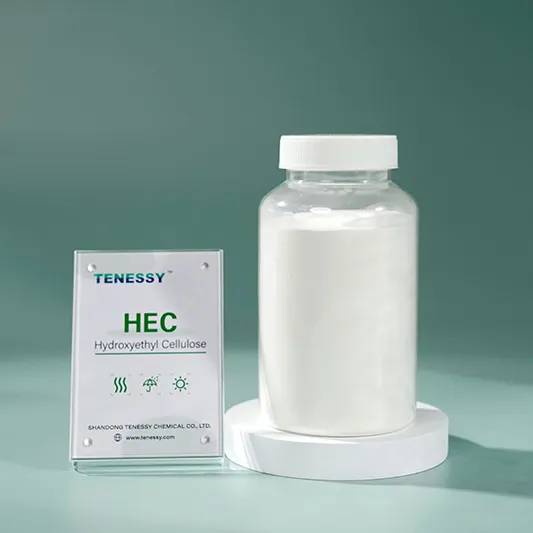
Che cos'è l'idrossietilcellulosa?
- Regolare e stabilizzare la viscosità
- Controllo del flusso e del livellamento
- Prevenire la sedimentazione del pigmento
- Migliorare le prestazioni dell'applicazione
Funzioni principali degli HEC nelle vernici e nei rivestimenti

1. Addensamento e controllo della viscosità efficaci
- Fornisce una viscosità costante e regolabile
- Impedisce che le vernici siano troppo sottili o troppo spesse
- Supporta la progettazione di formulazioni stabili
2. Miglioramento del flusso e del livellamento
- Riduce i segni del pennello e le linee del rullo
- Promuove la formazione di un film omogeneo
- Migliora l'aspetto della superficie dopo l'essiccazione
3. Antisedimentazione e stabilità allo stoccaggio
La sedimentazione di pigmenti e cariche è un problema comune nelle vernici liquide.
HEC aiuta:
- Mantengono i pigmenti uniformemente sospesi
- Ridurre la formazione di sedimenti duri
- Migliorare la stabilità della durata di conservazione
Ciò garantisce che la vernice mantenga colore e prestazioni costanti durante lo stoccaggio e l'uso.
4. Migliori prestazioni dell'applicazione
- Riduce gli schizzi durante il rotolamento
- Migliora il caricamento delle spazzole
- Rilascio omogeneo e controllato della vernice
Perché l'HEC è ampiamente utilizzato nelle vernici e nei rivestimenti
Le pitture e i rivestimenti devono mantenere una prestazione stabile durante stoccaggio, trasporto, applicazione ed essiccazione. Senza un adeguato controllo reologico, possono verificarsi problemi come sedimentazione, cedimento, scarso livellamento o schizzi.
HEC aiuta a risolvere queste sfide fornendo addensamento bilanciato e controllo del flusso, che lo rende uno degli eteri di cellulosa più comunemente utilizzati nelle vernici a base d'acqua.

Prestazioni dell'applicazione supportate dalle proprietà del prodotto
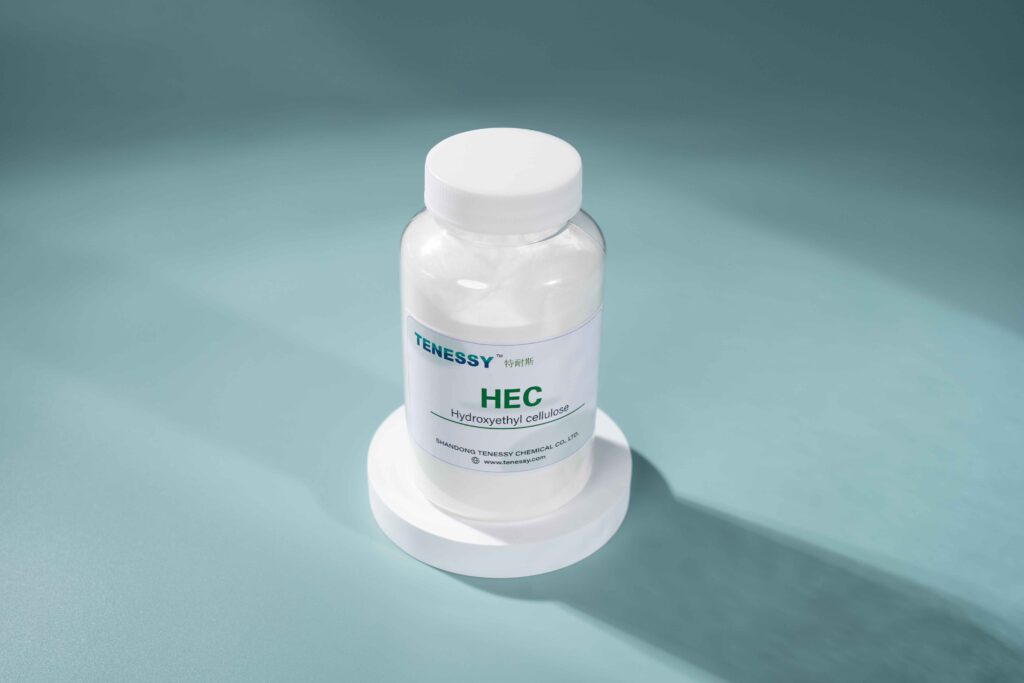
- Aspetto: Polvere bianca e scorrevole
- Viscosità:
- 300-5000 mPa-s (soluzione 1%, 25°C, Brookfield)
- 300-100.000 mPa-s (soluzione 2%, 20°C, NDJ-1)
- Dimensione delle particelle: 98% con passaggio a 100 mesh
- pH Valore: 6.0-8.5
- Contenuto di umidità: ≤5.0%
Uso consigliato nelle formulazioni di vernici e rivestimenti
- 0,2%-1,0% del peso totale della formulazione (a seconda dell'obiettivo di viscosità e del design del sistema)
- Garantire una dispersione adeguata per evitare la formazione di grumi
- Prevedere un tempo di idratazione sufficiente
- Regolare il dosaggio in base al tipo di legante e al metodo di applicazione.
Applicazioni tipiche di HEC in vernici e rivestimenti
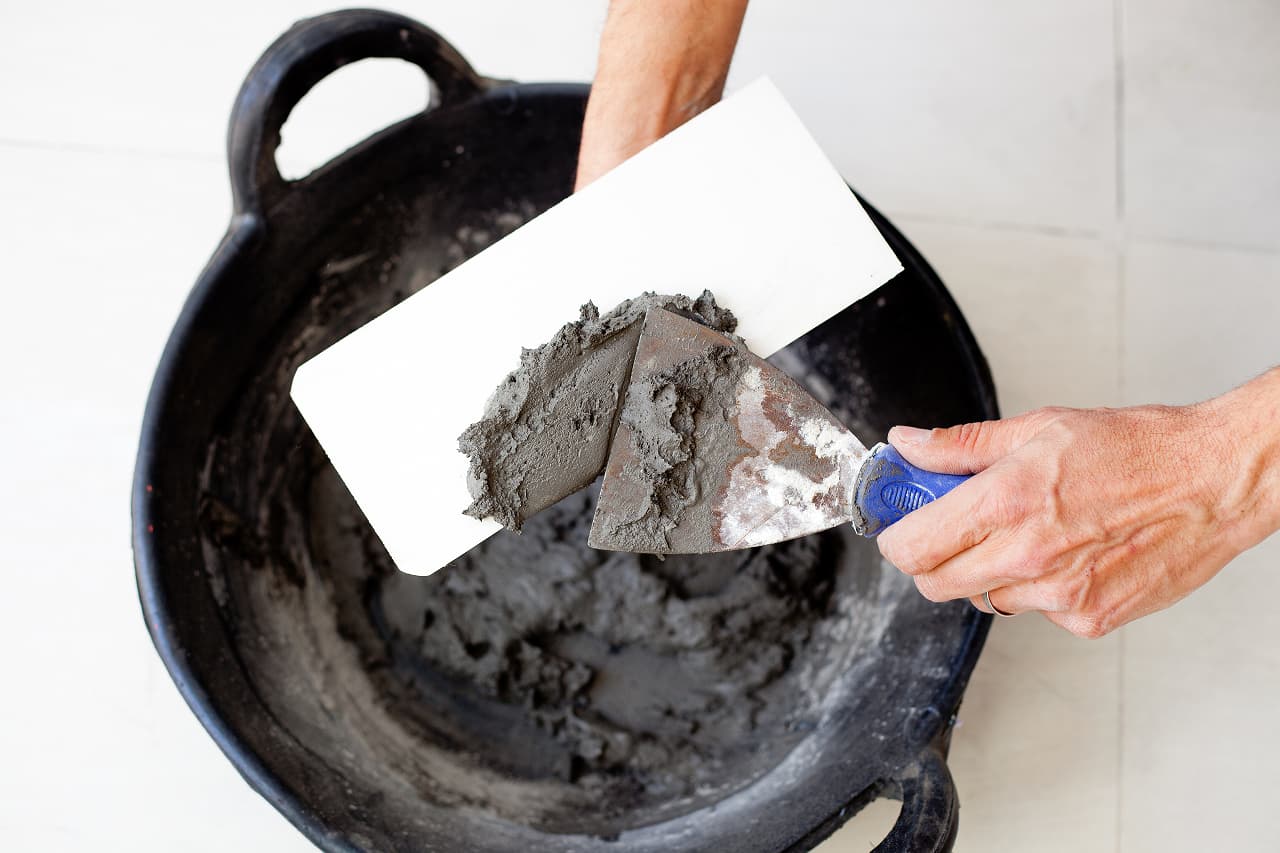
L'HEC è comunemente utilizzato in:




Conclusione
L'idrossietilcellulosa (HEC) svolge un ruolo fondamentale nel moderno pitture e rivestimenti a base d'acqua. Grazie all'efficace addensamento, al miglioramento della fluidità, alla stabilità dei pigmenti e alla fluidità di applicazione, l'HEC aiuta i produttori a produrre rivestimenti di alta qualità con prestazioni costanti e affidabili.
I nostri prodotti HEC sono progettati per supportare un'ampia gamma di applicazioni di vernici e rivestimenti, aiutando i formulatori a raggiungere il giusto equilibrio tra lavorabilità, stabilità e finitura superficiale.
Se state sviluppando o ottimizzando formulazioni di vernici e rivestimenti, siamo pronti a supportarvi con guida tecnica e soluzioni personalizzate.