

 Italian
  English
  Arabic
  German
  French
  Indonesian
  Russian
  Czech
Czech  Dutch
Dutch  Finnish
  Turkish
  Greek
Greek  Spanish
  Portuguese
 HEC nella perforazione petrolifera
- Casa
- "
- Industrie e applicazioni
- "
- Soluzioni per la trivellazione petrolifera
- "
- HEC nella perforazione petrolifera
Idrossietilcellulosa: Controllo efficiente della viscosità e stabilità del fluido per i fluidi di perforazione a base acquosa
Idrossietilcellulosa (HEC) è un polimero ampiamente utilizzato in fluidi di perforazione petrolifera a base d'acqua. Grazie alla sua natura non ionica, alla buona idratazione e al comportamento reologico stabile, l'HEC offre un controllo affidabile della viscosità e una riduzione delle perdite di fluido in condizioni di perforazione difficili.
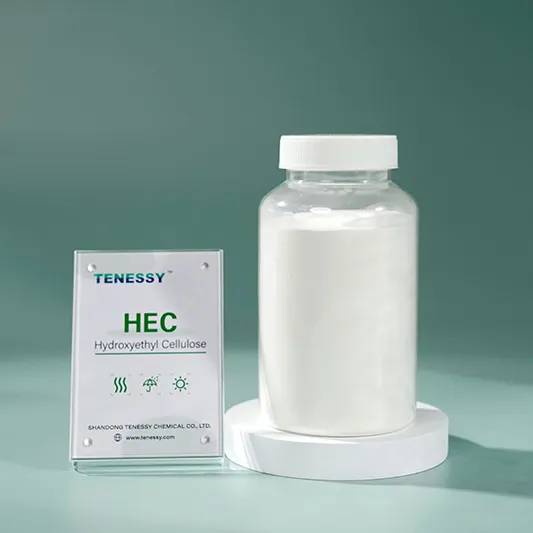
Che cos'è l'idrossietilcellulosa?
- A viscosificatore
- A addensatore
- A agente di controllo della perdita di liquidi
- A talee aiuto alla sospensione
Funzioni chiave dell'HEC nella perforazione petrolifera

1. Controllo della viscosità e miglioramento della reologia
- Migliora le proprietà reologiche
- Mantiene stabile la viscosità al taglio
- Favorisce una circolazione fluida dei liquidi
2. Trasporto delle talee e pulizia del foro migliorati
- Sospendere i residui di perforazione nel fluido
- Trasporto dei tagli in superficie
- Riduzione della sedimentazione delle talee durante le pause
3. Riduzione delle perdite di fluido e protezione della formazione
- Riduce l'invasione di fluidi nelle formazioni
- Protegge le zone produttive
- Riduce al minimo i danni alla formazione
4. Buona tolleranza ai sali e al pH
- Buone prestazioni in acqua dolce e in salamoia
- Viscosità stabile in un ampio intervallo di pH
- Compatibilità con i comuni additivi per fluidi di perforazione
Perché l'HEC viene utilizzato nei fluidi di perforazione petrolifera
- Viscosità stabile e regolabile
- Migliore capacità di trasporto dei residui di perforazione
- Riduzione della perdita di filtrazione
- Comportamento coerente del fluido durante la circolazione

Prestazioni dell'applicazione supportate dalle proprietà del prodotto
- Aspetto: Polvere bianca e scorrevole
- Viscosità:
- 300-5000 mPa-s (soluzione 1%, 25°C, Brookfield)
- 300-100.000 mPa-s (soluzione 2%, 20°C, NDJ-1)
- Dimensione delle particelle: 98% con passaggio a 100 mesh
- pH Valore: 6.0-8.5
- Contenuto di umidità: ≤5.0%
Uso consigliato nei fluidi di perforazione petrolifera
Altre applicazioni tipiche di HEC
L'HEC è comunemente utilizzato in:




Conclusione
L'idrossietilcellulosa (HEC) è un additivo collaudato ed efficace per fluidi di perforazione petrolifera a base d'acqua. Migliorando la viscosità, il trasporto dei residui e il controllo delle perdite di fluido, l'HEC contribuisce a garantire una perforazione più sicura, una migliore stabilità del pozzo e una maggiore efficienza operativa.
I nostri prodotti HEC sono stati progettati per soddisfare le esigenze reali delle applicazioni di perforazione petrolifera, fornendo prestazioni affidabili, flessibilità di formulazione e qualità costante.
Se state sviluppando o ottimizzando sistemi di fluidi per la perforazione petrolifera, il nostro team è pronto a supportarvi con competenza tecnica e soluzioni personalizzate.

