

 Portuguese
  English
  Arabic
  German
  French
  Indonesian
  Russian
  Italian
  Czech
Czech  Dutch
Dutch  Finnish
  Turkish
  Greek
Greek  Spanish
 HEC para tintas e revestimentos
- Início
- "
- Setores e aplicações
- "
- Soluções para pintura e revestimentos
- "
- HEC para tintas e revestimentos
Hidroxietilcelulose: Controle confiável de espessamento e reologia para sistemas à base de água
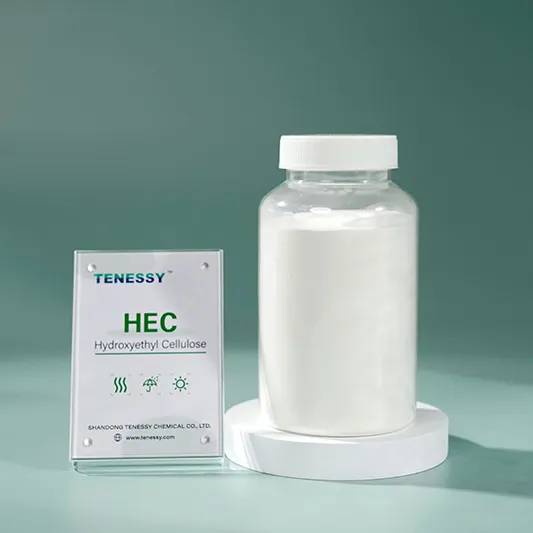
O que é hidroxietilcelulose?
- Ajuste e estabilize a viscosidade
- Controle de fluxo e nivelamento
- Evitar a sedimentação do pigmento
- Melhorar o desempenho do aplicativo
Principais funções do HEC em tintas e revestimentos

1. Espessamento eficaz e controle de viscosidade
- Proporciona viscosidade consistente e ajustável
- Evita que as tintas fiquem muito finas ou muito grossas
- Oferece suporte ao design de formulações estáveis
2. Melhoria do fluxo e do nivelamento
- Reduz as marcas de pincel e linhas de rolo
- Promove a formação de um filme suave
- Melhora a aparência da superfície após a secagem
3. Estabilidade de armazenamento e anti-assentamento
O assentamento de pigmentos e cargas é um problema comum em tintas líquidas.
O HEC ajuda:
- Mantém os pigmentos suspensos de maneira uniforme
- Reduzir a formação de sedimentos duros
- Melhora a estabilidade do prazo de validade
Isso garante que a tinta mantenha a cor e o desempenho consistentes durante o armazenamento e o uso.
4. Melhor desempenho do aplicativo
- Reduz os respingos durante a rolagem
- Melhora o carregamento da escova
- Proporciona uma liberação suave e controlada da tinta
Por que o HEC é amplamente utilizado em tintas e revestimentos
As tintas e os revestimentos devem manter um desempenho estável durante armazenamento, transporte, aplicação e secagem. Sem o controle reológico adequado, podem ocorrer problemas como sedimentação, flacidez, nivelamento deficiente ou respingos.
A HEC ajuda a resolver esses desafios fornecendo espessamento balanceado e controle de fluxotornando-o um dos éteres de celulose mais comumente usados em tintas à base de água.

Desempenho do aplicativo suportado pelas propriedades do produto
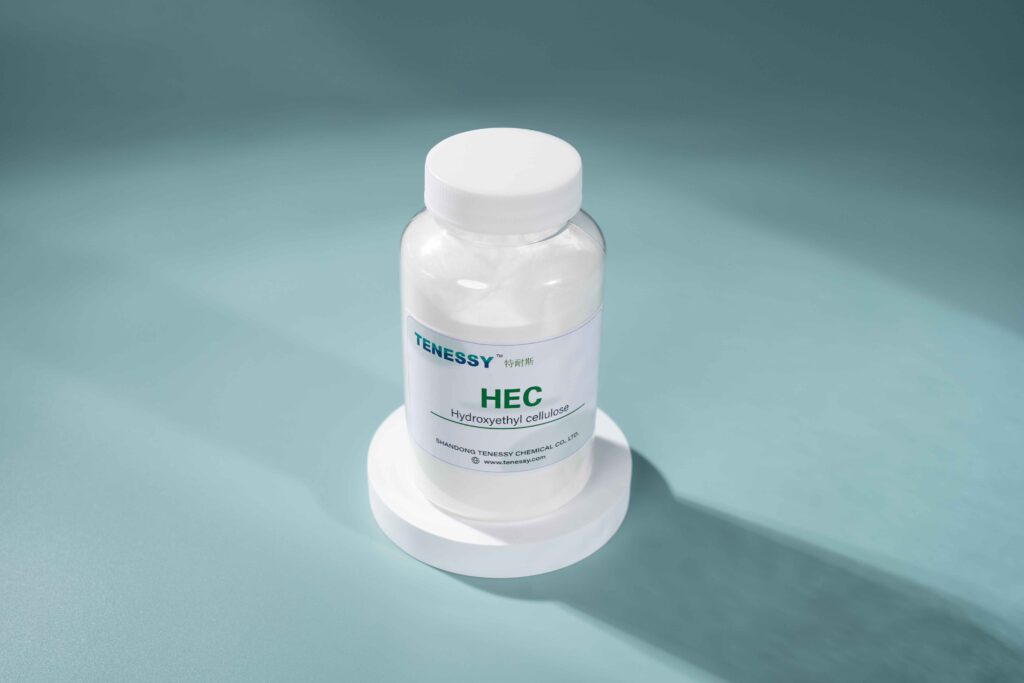
- Aparência: Pó branco, de fluxo livre
- Viscosidade:
- 300-5000 mPa-s (solução 1%, 25°C, Brookfield)
- 300-100.000 mPa-s (solução 2%, 20°C, NDJ-1)
- Tamanho da partícula: 98% passando 100 mesh
- pH Valor: 6.0-8.5
- Teor de umidade: ≤5.0%
Uso recomendado em formulações de tintas e revestimentos
- 0,2%-1,0% do peso total da formulação (dependendo do objetivo de viscosidade e do projeto do sistema)
- Assegure a dispersão adequada para evitar aglomeração
- Permitir tempo suficiente de hidratação
- Ajuste a dosagem com base no tipo de aglutinante e no método de aplicação
Aplicações típicas de HEC em tintas e revestimentos
O HEC é comumente usado em:




Conclusão
A hidroxietilcelulose (HEC) desempenha um papel fundamental na tintas e revestimentos à base de água. Ao proporcionar espessamento eficaz, fluxo aprimorado, estabilidade do pigmento e aplicação suave, o HEC ajuda os fabricantes a produzir revestimentos de alta qualidade com desempenho consistente e confiável.
Nossos produtos HEC são projetados para atender a uma ampla gama de aplicações de tintas e revestimentos, ajudando os formuladores a alcançar o equilíbrio certo entre trabalhabilidade, estabilidade e acabamento de superfície.
Se você estiver desenvolvendo ou otimizando formulações de tintas e revestimentos, estamos prontos para ajudá-lo com orientação técnica e soluções personalizadas.