

 Portuguese
  English
  Arabic
  German
  French
  Indonesian
  Russian
  Italian
  Czech
Czech  Dutch
Dutch  Finnish
  Turkish
  Greek
Greek  Spanish
 HEC em perfuração de petróleo
- Início
- "
- Setores e aplicações
- "
- Soluções para perfuração de petróleo
- "
- HEC em perfuração de petróleo
Hidroxietilcelulose: Controle eficiente da viscosidade e estabilidade do fluido para fluidos de perfuração à base de água
Hidroxietilcelulose (HEC) é um polímero amplamente utilizado em fluidos de perfuração de petróleo à base de água. Graças à sua natureza não iônica, boa hidratação e comportamento reológico estável, o HEC proporciona controle confiável da viscosidade e redução da perda de fluido em condições exigentes de perfuração.
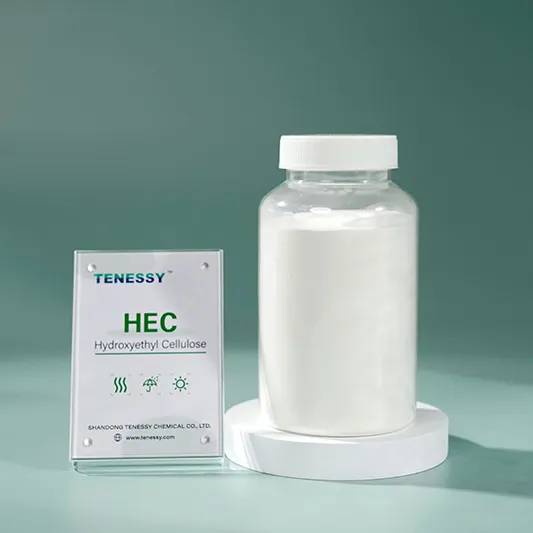
O que é hidroxietilcelulose?
- A viscosificador
- A espessante
- A agente de controle de perda de fluidos
- A estacas auxílio à suspensão
Principais funções do HEC na perfuração de petróleo

1. Controle de viscosidade e melhoria da reologia
- Melhora as propriedades reológicas
- Mantém a viscosidade estável sob cisalhamento
- Apoia a circulação suave de fluidos
2. Transporte aprimorado de aparas e limpeza do furo
- Suspender as aparas de perfuração no fluido
- Transportar os cortes para a superfície
- Reduzir o assentamento dos cortes durante as pausas
3. Redução de perda de fluido e proteção da formação
- Reduz a invasão de fluidos nas formações
- Protege zonas produtivas
- Minimiza os danos à formação
4. Boa tolerância ao sal e ao pH
- Bom desempenho em água doce e salmoura
- Viscosidade estável em uma ampla faixa de pH
- Compatibilidade com aditivos comuns de fluidos de perfuração
Por que o HEC é usado em fluidos de perfuração de petróleo
- Viscosidade estável e ajustável
- Maior capacidade de carga para resíduos de perfuração
- Redução da perda de filtragem
- Comportamento consistente do fluido durante a circulação

Desempenho do aplicativo suportado pelas propriedades do produto
- Aparência: Pó branco, de fluxo livre
- Viscosidade:
- 300-5000 mPa-s (solução 1%, 25°C, Brookfield)
- 300-100.000 mPa-s (solução 2%, 20°C, NDJ-1)
- Tamanho da partícula: 98% passando 100 mesh
- pH Valor: 6.0-8.5
- Teor de umidade: ≤5.0%
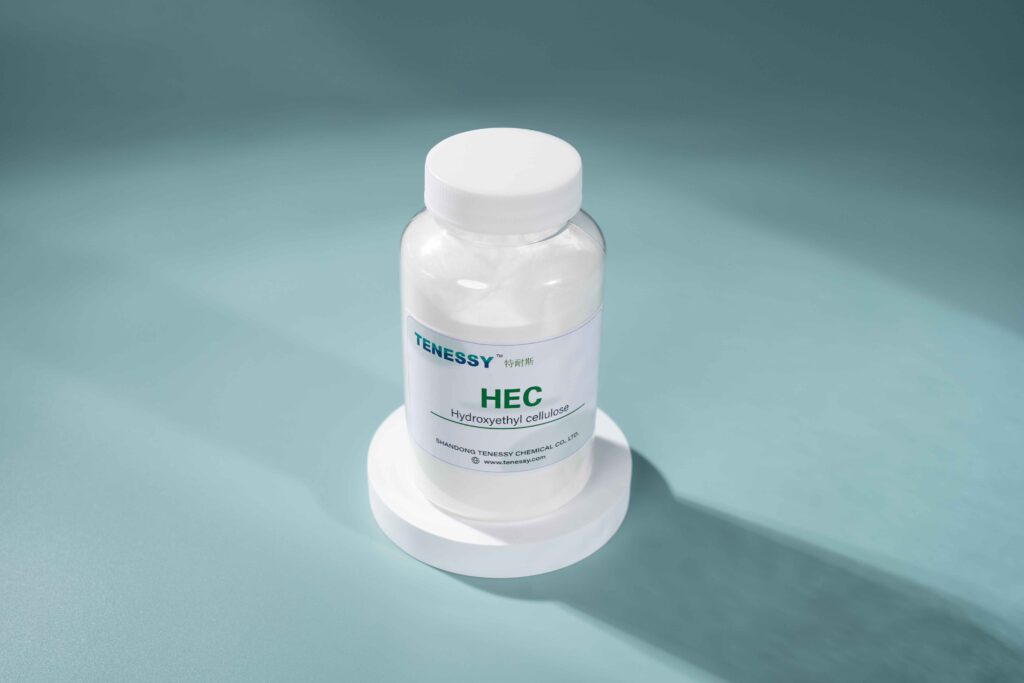
Uso recomendado em fluidos de perfuração de petróleo
Mais aplicações típicas de HEC
O HEC é comumente usado em:




Conclusão
O Hydroxyethyl Cellulose (HEC) é um aditivo comprovado e eficaz para fluidos de perfuração de petróleo à base de água. Ao melhorar a viscosidade, o transporte de detritos e o controle de perda de fluido, o HEC ajuda a garantir uma perfuração mais segura, melhor estabilidade do poço e maior eficiência operacional.
Nossos produtos HEC são projetados para atender às demandas reais das aplicações de perfuração de petróleo, fornecendo desempenho confiável, flexibilidade de formulação e qualidade consistente.
Se você estiver desenvolvendo ou otimizando sistemas de fluidos de perfuração de petróleo, nossa equipe está pronta para ajudá-lo com conhecimento técnico e soluções personalizadas.

