Turkish
  English
  Arabic
  German
  French
  Indonesian
  Russian
  Italian
  Czech
Czech  Dutch
Dutch  Finnish
  Greek
Greek  Spanish
  Portuguese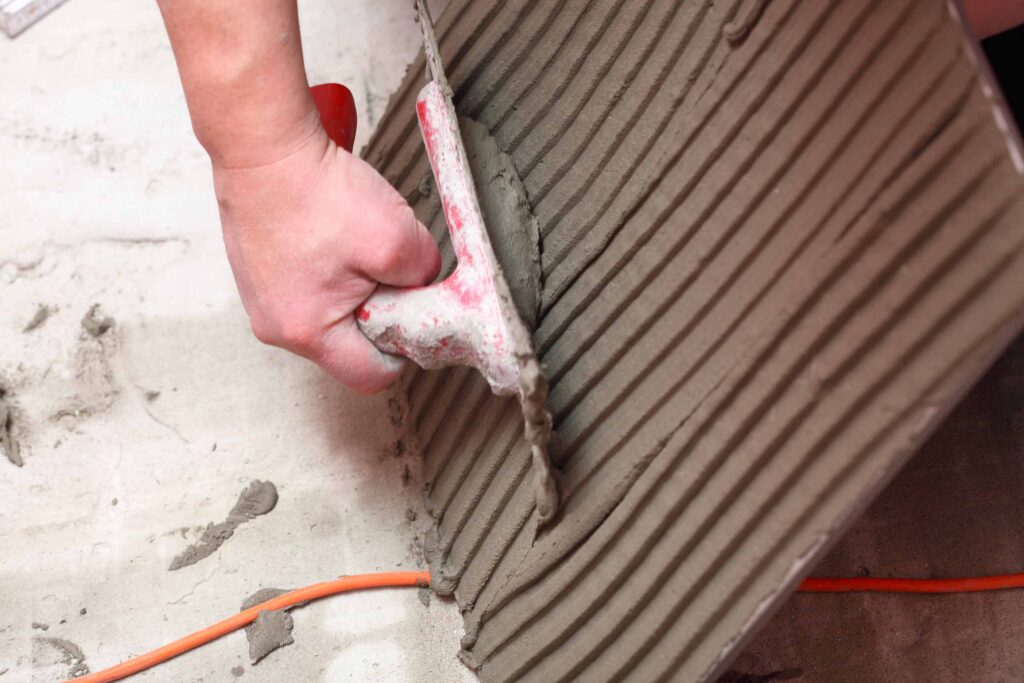
Giriş
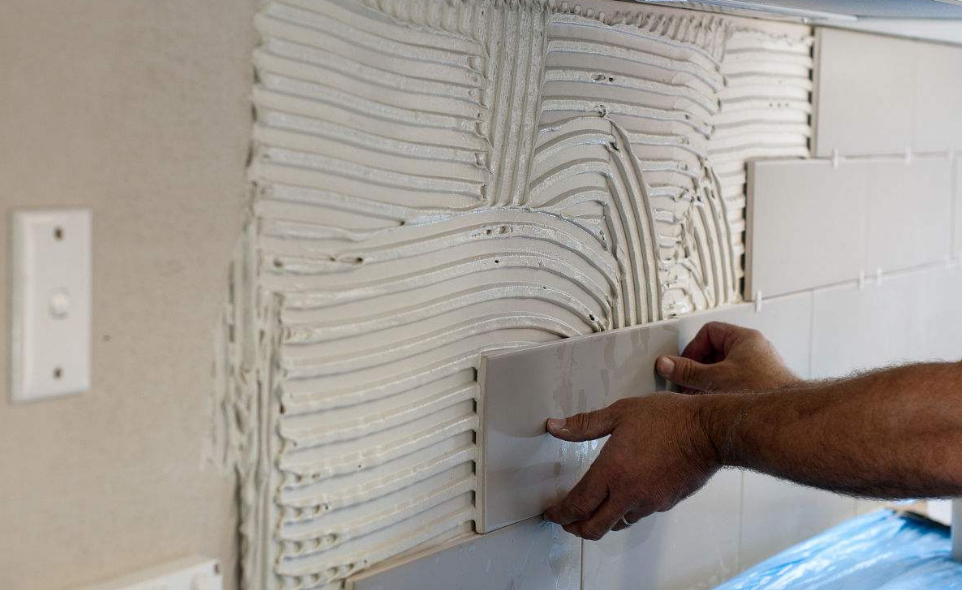
İnşaat ve dekorasyon sektöründe, oyuk fayanslar ve düşen fayanslar hem ev sahipleri hem de müteahhitler için her zaman en kalıcı sorunlar olmuştur. Düşük su emme özelliğine sahip porselen karolar, geniş formatlı levhalar ve sinterlenmiş taş yaygınlaşırken, geleneksel çimento harcı artık yeterli yapışma mukavemeti sağlayamamaktadır. Bu alanda temel bir malzeme olarak kuru karışım harç teknoloji, polikarboksilat süperplastikleştirici (PCE) fayans yapıştırıcılarının performans sınırlarını sessizce yeniden tanımlıyor.
At TENESSY, çimento bazlı malzemelerde PCE mekanizması üzerine derinlemesine araştırmalar yürütüyor ve yüksek performanslı betondaki başarılı deneyimlerimizi fayans yapıştırıcı sistemlerine aktarıyoruz. Bu makale, polikarboksilat süperplastikleştiricilerin mikro düzeydeki fiziksel ve kimyasal etkiler yoluyla fayans döşemesinde güvenlik risklerini nasıl temelden ortadan kaldırdığını derinlemesine analiz edecek ve müşterilerin maliyet azaltma, verimlilik artışı ve kalite iyileştirmeleri.
I. Geleneksel Fayans Yapıştırıcıları Neden Modern Fayanslara "Yapışamıyor"?
Modern karolar (örneğin porselen karolar ve tam cilalı karolar), yüksek yoğunluk ve düşük gözeneklilik özelliklerine sahiptir. Geleneksel yapıştırma malzemeleri iki büyük zorlukla karşı karşıyadır:
Yetersiz Islanabilirlik: Çimento harcı, karo arka yüzünü etkili bir şekilde ıslatamaz ve yalnızca yetersiz mekanik kenetlenme mekanizmasına dayanır.
Yüksek Büzülme: Çimento hidrasyonu sırasında kimyasal ve kuruma kaynaklı büzülme meydana gelir; bu da arayüzde iç gerilime yol açar ve zamanla oyulmaya neden olur.
Bu iki sorunu çözmenin anahtarı şudur: su-çimento oranını düşürmek ve giderek artan kompaktlık. Bu, polikarboksilat süperplastikleştiricilerin hayati önem taşıyan rolünü ortaya koymaktadır.
II. Fayans Yapıştırıcılarında Polikarboksilat Süperplastikleştiricinin Temel İşlevleri
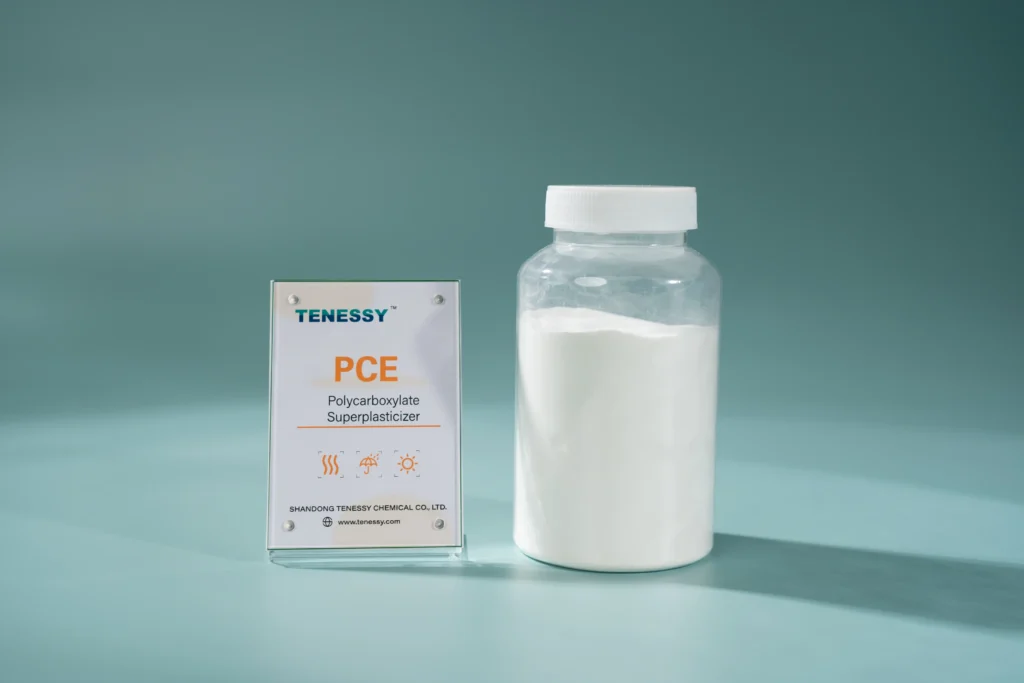
Polikarboksilat süperplastikleştirici (PCE), sadece “suyu inceltmek”le sınırlı değildir. Fayans yapıştırıcı sistemlerinde, “dispersiyon uzmanı” olarak işlev görür.”
1. En Üst Düzeyde Su Tasarrufu – Ultra Yoğun Bir Matris Oluşturma
TENESSY’nin yüksek verimli süper plastikleştiricisi, hem elektrostatik itme hem de sterik engel yoluyla çimento parçacıklarını homojen bir şekilde dağıtan tarak şeklindeki bir moleküler yapıya sahiptir. Bu sayede, normalde parçacıkları kaplamak için gerekli olacak su serbest kalır; böylece mükemmel işlenebilirlik korunurken su ihtiyacı önemli ölçüde azalır.
Müşteriye Sağlanan Avantaj: Su-çimento oranının düşürülmesi, çimento taşındaki kılcal gözeneklerin sayısını doğrudan azaltır. Matris ne kadar yoğun olursa, dış nemin (özellikle klorür içeren yağmur suyunun) bağ tabakasına nüfuz etmesi ve bu tabakayı aşındırması o kadar zorlaşır; bu da donma-çözülme hasarını ve çiçeklenmeyi etkili bir şekilde ortadan kaldırır.
2. Optimize Edilmiş Reoloji – Kalın Tabaka Uygulamasındaki Zorlukların Üstesinden Gelmek
İçinde fayans yapıştırıcısı Uygulamada, özellikle dikey duvar yüzeylerinde, sarkma direnci hayati önem taşır. Deneysel veriler, uygun miktarda polikarboksilat süperplastikleştirici eklenmesinin (önerilen doz: 0,15%-0,3% bağlayıcı malzeme) harçın akma gerilimini önemli ölçüde artırır. Bu, fayans yapıştırıcısına “kesme incelmesi” özelliği kazandırır – kuvvet uygulandığında kolayca karışır, hareketsizken sarkma göstermez – ve uygulama verimliliğini büyük ölçüde artırır.
3. Zorlu Koşullarda Dayanıklılık Koruyucusu
Fayans yapıştırıcısının yapışma mukavemetine ilişkin karşılaştırmalı bir çalışma, polikarboksilat süperplastikleştiricinin eklenmesinin aşağıdaki özellikleri önemli ölçüde artırdığını göstermektedir:
Suya maruz kalmış yapışma mukavemeti
Isıl yaşlandırma sonrası yapışma mukavemeti (70 °C yüksek sıcaklık testi)
Donma-çözülme döngüsü dayanımı
Mekanizma: Süperplastikleştirici, yüksek sıcaklık veya donma koşullarında “tampon hava yastıkları” görevi gören çok sayıda mikro düzeydeki “zararsız kapalı hava kabarcığı” oluşturur ve böylece termal genleşme ve büzülmenin yol açtığı gerilme hasarını etkili bir şekilde azaltır.
| Performans Göstergesi | Geleneksel Çimento Harcı | PCE ile Modifiye Edilmiş Fayans Yapıştırıcısı |
|---|---|---|
| İşlenebilirlik | Kolayca sarkar, mala ile düzeltmesi zordur | Pürüzsüz, sarkmaya karşı dayanıklı |
| Yapışma Mukavemeti | 0,5 MPa (iç boşalma eğilimi gösterir) | ≥1,0 MPa (güçlü yapışma) |
| Dayanıklılık | Zayıf, ıslandığında tozlu | Mükemmel, suya ve donma-çözülmeye dayanıklı |
| Çevresel Güvenlik | Ortalama | Düşük VOC, klorür içermez |
III. Formülasyon Dengesi Sanatı – Bilimsel Olarak Karışım Nasıl Hazırlanır?
Polikarboksilat süperplastikleştirici son derece etkili olsa da, fayans yapıştırıcısının formülasyonu şunlara dayanmaktadır: sinerji. Bu, her derde deva bir çözüm değildir. Şu kurallara göre yapılan hassas formülasyon TENESSY formülasyon sistemi şu husus çok önemlidir:
Su Tutucularla Oluşan Sinerji: Süperplastikleştirici suyu serbest bıraktıktan sonra, şunlarla birlikte kullanılmalıdır: Hidroksipropil Metilselüloz (HPMC) nemi hapsetmek, çimentonun hidrasyonu için yeterli süre sağlamak ve arayüzün hızlı kurumasını önlemek amacıyla.
Şunlarla birlikte Yeniden Dağılabilir Polimer Tozu (RDP): RDP organik bir bağlayıcı tabaka oluştururken, PCE inorganik matrisi yoğunlaştırır. Bu iki bileşen bir araya geldiğinde “esneklikle birlikte sertlik” sağlar – darbelere karşı direnç sağlayan yüksek sertlik ve termal genleşme ile büzülmeye dayanacak yeterli esneklik.
Dozaj Kontrolü:
Çok yüksek: Tiksotropiyi etkileyen aşırı kalınlaşma ve aşırı akışkanlığa neden olabilir.
Çok düşük: Etkisi yetersiz.
Önerilen aralık: Genellikle 0,1% – 0,3% toplam kuru karışımın.
IV. TENESSY Çözümü – Fayans Yapıştırıcıları İçin Özel Olarak Tasarlanmış PCE Ürünleri
Kimyasal yapı malzemeleri sektöründe profesyonel bir tedarikçi olarak, TENESSY şunu sunar: toz halindeki polikarboksilat süperplastikleştirici Kuru karışım harç sistemleri için özel olarak optimize edilmiş ürün serisi:
Yüksek Uyum Kabiliyeti: Farklı fayans yapıştırıcı markaları, farklı çimento türleri (beyaz, gri veya özel) kullanır. TENESSY PCE, geniş bir uyumluluk yelpazesi sunarak, katmanlı kil yapılarında tarak şeklindeki moleküllerin “işlevini yerine getirememesi” sorununu ortadan kaldırır.
Toz Halinde: Sıvı formlara kıyasla, toz halindeki ürün kuru harç tesislerinde hassas dozajlama ve kayıpsız karıştırma imkânı sağlar; ayrıca istikrarlı depolama, topaklanma olmaması ve uzun raf ömrü sunar.
Yeşil ve Çevre Dostu: Üretim zincirinin tamamı çevre standartlarına uygundur. Bitmiş ürün şunları içerir: formaldehit veya klorür iyonu içermez, hem duvarların içindeki çelik donatıyı hem de inşaat işçilerinin sağlığını korumaktadır.
Sonuç
Günümüzde inşaat malzemeleri sektöründe yüksek kaliteli gelişimin peşinde, fayans yapıştırıcıları artık sadece çimento ve kumdan ibaret değildir. Uygulaması polikarboksilat süperplastikleştiriciler “deneyime dayalı inşaat”tan “bilimsel malzemeler”e doğru atılmış bir adımdır.”
TENESSY’yi tercih etmek, size şu avantajları sağlayacaktır:
Daha Güvenli Proje Teslimi: Fayansların düşme riskini ortadan kaldırın.
Daha Verimli Bir İnşaat Deneyimi: Kolay sürülür, aletlere yapışmaz, işçilik ve zamandan tasarruf sağlar.
Daha Rekabetçi Ürünler: Yüksek performanslı formülasyonlarla lüks ev yenileme pazarını ele geçirin.
Fayans yapıştırıcılarınızın yapışma mukavemetini ve dayanıklılığını artıracak çözümler arıyorsanız, lütfen bize ulaşın numune testi için.