Indonesian
  English
  Arabic
  German
  French
  Russian
  Italian
  Czech
Czech  Dutch
Dutch  Finnish
  Turkish
  Greek
Greek  Spanish
  Portuguese
Ⅰ.Pendahuluan
In modern dry-mix mortar systems, Bubuk Polimer yang Dapat Dilarutkan (RDP) has become a key modifier for improving overall material performance. As the construction industry continues to demand better crack resistance, durability, and workability, traditional cement increasingly shows limitations such as brittleness, low flexibility, and insufficient adhesion. By incorporating high-performance RDP, it is possible to significantly enhance the hardened structure and long-term properties of mortar without altering construction methods. This article systematically analyzes the effects of redispersible polymer powder on mortar hardening from the perspectives of mechanism, mechanical properties, durability, workability, and quality control.
Ⅱ.Basic Properties and Mechanism of Redispersible Polymer Powder
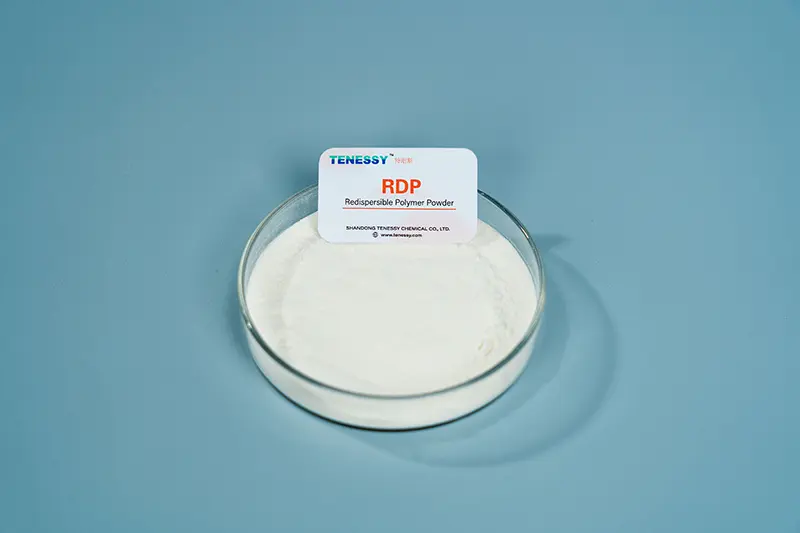
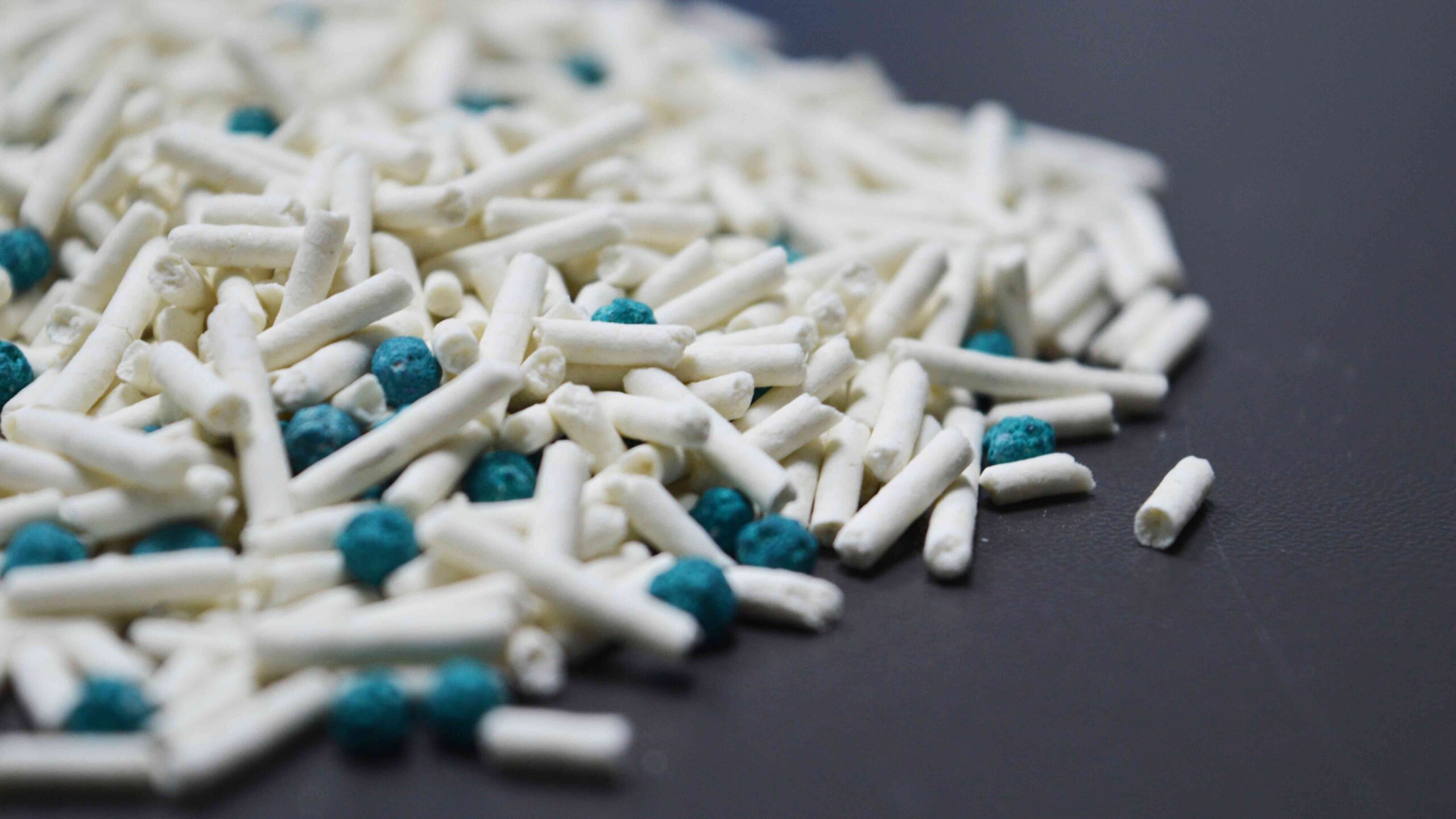
Redispersible polymer powder is a free-flowing white powder produced by spray-drying polymer emulsions. In dry form, it offers excellent storage stability. When mixed with water, it rapidly redistributes into stable polymer particles that actively participate in the cement hydration process.
Typical Technical Specifications:
| Item | Spesifikasi |
|---|---|
| Penampilan | Bubuk putih |
| Kepadatan Massal | 400–600 g/L |
| Ukuran Partikel | ≥80 μm |
| Nilai pH | 6.0–8.0 |
| Solid Content | ≥98% |
After water is added to mortar, RDP particles redisperse into fine polymer particles. As water evaporates and cement hydration progresses, these particles coalesce into a continuous polymer film. This film interpenetrates with cement hydration products, forming an organic–inorganic composite structure. This hybrid structure maintains the strength of cement-based materials while introducing flexibility and enhanced adhesion, which is the core mechanism behind improved hardening performance.
Ⅲ. Influence on Hardened Structure and Mechanical Properties
1. Optimizing Microstructure
Conventional cement mortar contains capillary pores after hardening, which may reduce strength and durability. The polymer film formed by RDP fills these pores and coats cement particles and aggregates, resulting in a denser internal structure. Reduced pore connectivity leads to improved compactness and overall structural integrity.
2. Enhancing Adhesion Strength
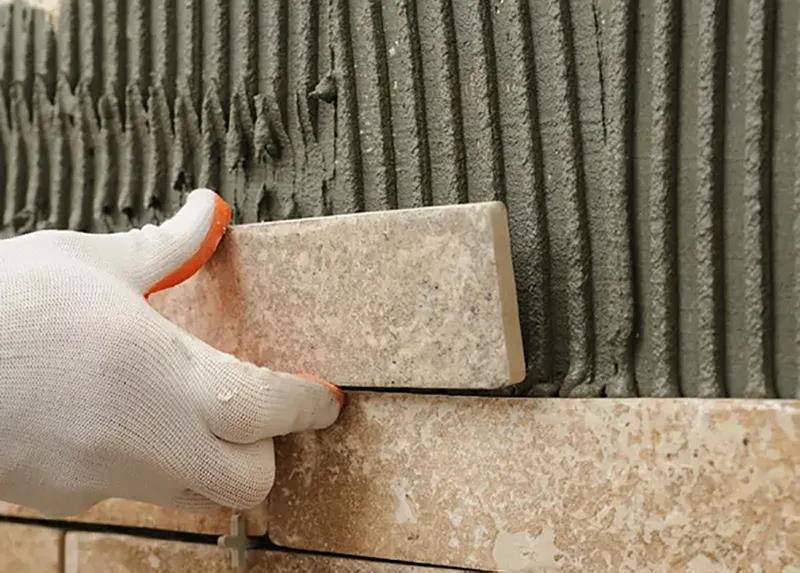
RDP significantly increases both the adhesive strength between mortar and substrate and the internal cohesive strength. The polymer film acts as a flexible bridge at the interface, absorbing stress and reducing stress concentration. This minimizes risks such as debonding and hollowing, which is especially important in perekat ubin, plastering mortars, and exterior insulation systems.
3. Improving Flexural Strength and Flexibility
Cement-based materials typically have high compressive strength but relatively low flexural strength and tend to fail in a brittle manner. The addition of RDP improves elasticity and toughness. Under bending or tensile stress, the polymer network helps distribute stress and delay crack propagation, thereby significantly increasing flexural strength and impact resistance.
Ⅳ. Comprehensive Improvement in Crack Resistance and Durability
1. Crack Resistance
During the hardening and drying process, mortar undergoes shrinkage that generates internal stress. If this stress exceeds the material’s capacity, cracks form. The elastic polymer network formed by RDP can absorb shrinkage stress, reduce the formation of microcracks, and prevent crack expansion.
2. Water Resistance and Freeze–Thaw Performance
The polymer film reduces pore connectivity, limiting water penetration and improving impermeability. Additionally, its flexible structure helps buffer internal stress caused by ice expansion during freeze–thaw cycles, significantly enhancing freeze–thaw resistance.
3. Aging and Weather Resistance
High-quality RDP offers good resistance to temperature variations, UV exposure, and chemical attack. This enhances long-term stability and extends the service life of cement-based materials in demanding environmental conditions.
Ⅴ.Positive Impact on Workability
In addition to improving hardened properties, redispersible polymer powder enhances fresh mortar performance:
- Improved workability and flowability
- Waktu buka yang diperpanjang
- Smoother troweling performance
- Better application stability
Enhanced workability reduces construction errors and improves consistency in on-site application, indirectly ensuring better hardened performance.
Ⅵ. Importance of Quality Control and Product Stability
The performance of RDP-modified mortar strongly depends on the consistency and quality of the polymer powder. Reliable manufacturers implement strict quality control measures, including:
- Raw material inspection and testing
- Precise control of reaction temperature, time, and viscosity
- Monitoring of pH value and particle size
- Regular sampling and laboratory testing
- Batch traceability and standardized operating procedures
Comprehensive quality management ensures consistent performance across batches and meets high construction standards.
Ⅶ. Application Value and Future Development
Redispersible polymer powder is widely used in tile adhesives, exterior insulation mortars, senyawa yang meratakan sendiri, and repair mortars. Typical dosage ranges from 1% to 5% of the dry mix, depending on formulation requirements.
With the advancement of green building standards and high-performance construction materials, RDP continues to evolve toward improved environmental performance, enhanced weather resistance, and customized solutions. Its ability to optimize hardened structure, strengthen durability, and improve workability makes it an indispensable additive in modern mortar systems.
Ⅷ. Conclusion
Overall, redispersible polymer powder plays a crucial role in mortar hardening through film formation and structural modification mechanisms. It enhances adhesion and mechanical performance, improves crack resistance and durability, and optimizes workability during application. Selecting high-quality RDP products and designing appropriate formulations are essential steps in achieving superior mortar performance and long-term construction reliability.