Portuguese
  English
  Arabic
  German
  French
  Indonesian
  Russian
  Italian
  Czech
Czech  Dutch
Dutch  Finnish
  Turkish
  Greek
Greek  Spanish
Ⅰ.Introdução
Com o rápido desenvolvimento do setor de construção em direção ao alto desempenho, à alta durabilidade e à sustentabilidade ecológica, a inovação tecnológica da argamassa, como um dos materiais de construção mais fundamentais, é particularmente importante. Nesse processo evolutivo, a tecnologia de modificação de polímeros, especialmente a aplicação de pó de polímero redispersível (RDP), tornou-se um meio essencial para aprimorar o desempenho abrangente da argamassa. Como um especialista com anos de profundo cultivo nos campos de Éteres de celulose e aditivos químicos para construção, a TENESSY aproveita o profundo acúmulo técnico e a contínua P&D investimento para fornecer ao setor soluções científicas e eficientes. Este artigo abordará sistematicamente seu mecanismo de ação, o aprimoramento multidimensional do processo de endurecimento e o desempenho final, demonstrando seu valor excepcional na construção moderna.
A base científica e o mecanismo de ação do pó de polímero redispersível
2.1 Definição e processo de produção
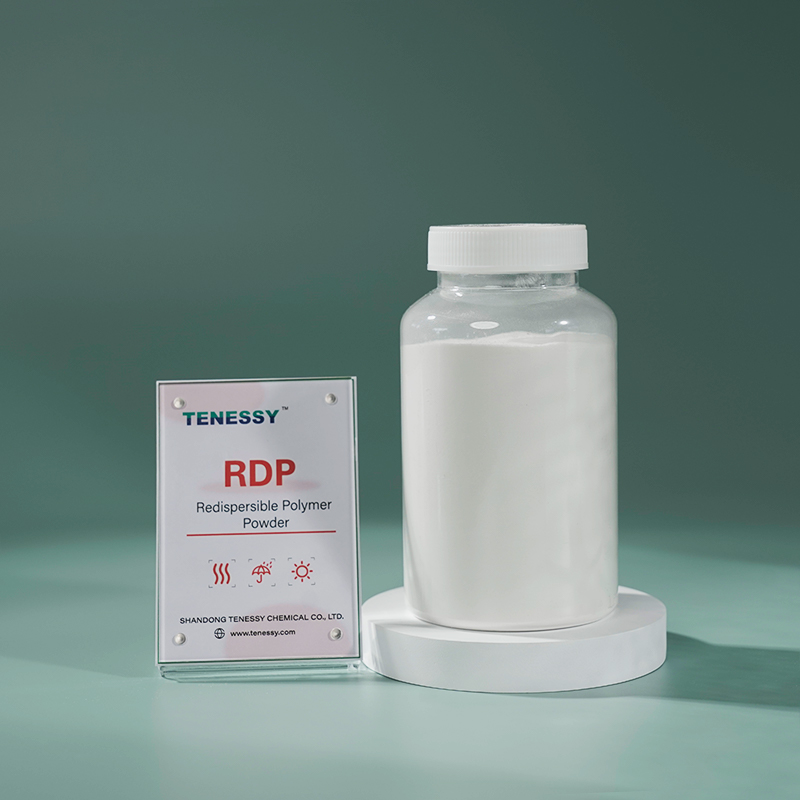
Pó de polímero redispersível é um pó branco de fluxo livre produzido pela secagem por spray de emulsões de polímeros especiais. Seus componentes principais são normalmente copolímeros de acetato de vinila e etileno (VAE), copolímeros de estireno-acrilato (SAE) ou copolímeros de acrilato, etc. Durante a produção, são adicionados coloides protetores e agentes antiaglomerantes para garantir sua estabilidade no estado seco e sua capacidade de se redispersar rapidamente na água, voltando ao estado original de emulsão. Essa característica é a base física de seu efeito modificador.
2.2 Mecanismo comportamental no sistema de argamassa
Quando o pó de polímero redispersível é misturado com cimento, agregado e água, ele passa pelos seguintes processos-chave, afetando profundamente o endurecimento da argamassa:
Redispersão e migração: As partículas de pó se redispersam rapidamente em partículas finas de polímero em contato com a água e são distribuídas uniformemente pelo sistema de argamassa durante a mistura.
Formação e coalescência de filmes: À medida que a hidratação do cimento prossegue e a água é consumida/evaporada, as partículas de polímero se juntam gradualmente e se acumulam sob pressão capilar e tensão superficial. Quando a concentração na solução dos poros da argamassa atinge um valor crítico, essas partículas se deformam e se fundem, formando uma rede de filme de polímero tridimensional contínua e flexível nas superfícies dos produtos de hidratação do cimento, das partículas de cimento não hidratadas e dos agregados.
Endurecimento sinérgico: Em última análise, a estrutura endurecida da argamassa não é apenas um esqueleto de produtos de hidratação inorgânicos. Em vez disso, é uma sistema composto orgânico-inorgânico formado pelo entrelaçamento e encapsulamento de rígida gel de silicato de cálcio hidratado (C-S-H), cristais de hidróxido de cálcio (CH), etc., com flexível filmes de polímero. Essa "combinação de rigidez e flexibilidade" é a razão fundamental para o aprimoramento abrangente do desempenho.
Ⅲ. Impactos específicos no processo de endurecimento da argamassa
3.1 Regulação da cinética de hidratação e do ambiente
As partículas de pó de polímero exibem um "efeito de retenção de água" nos estágios iniciais. A estrutura de filme microscópico que elas formam pode diminuir a taxa de difusão de água para o ambiente e a perda para substratos porosos, criando um microambiente interno mais estável para a hidratação sustentada e suficiente do cimento. Isso ajuda a reduzir a hidratação incompleta causada pela perda excessiva de água no início, melhorando assim a taxa de desenvolvimento de resistência inicial e diminuindo o risco de rachaduras por retração plástica.
3.2 Otimização da formação da microestrutura
Refinamento e ponte de poros: O filme de polímero preenche e preenche efetivamente os poros capilares e as microfissuras na pasta de cimento, tornando a estrutura dos poros mais fina e mais tortuosa, aumentando significativamente a densidade.
Fortalecimento da Zona de Transição Interfacial (ITZ): A ITZ é o elo mais fraco na ligação entre o agregado e a pasta de cimento na argamassa. O filme de polímero não apenas penetra e preenche os espaços vazios nessa zona, mas também, por meio de suas excelentes propriedades adesivas, forma uma camada orgânica interfacial na superfície do agregado, aumentando consideravelmente a ligação entre a pasta de cimento e o agregado, transformando a ITZ de um "ponto fraco" em um "elo forte".
3.3 Redistribuição de tensões internas
As tensões internas geradas pela retração durante o endurecimento da argamassa de cimento tradicional tendem a se concentrar nas pontas das microfissuras, levando à sua propagação. O filme de polímero uniformemente distribuído, com sua boa elasticidade e capacidade de deformação, pode absorver e dispersar essas tensões internas, atuando como um "dissipador de microtensão", inibindo assim o início e a propagação de rachaduras.
Ⅳ. Aprimoramento abrangente do desempenho da argamassa endurecida
4.1 Um salto qualitativo nas propriedades mecânicas
Resistência à flexão e à tração: O efeito de ponte e de endurecimento do filme de polímero normalmente aumenta a resistência à flexão da argamassa em 30%-100%, com a resistência à tração também significativamente melhorada, transformando o material de frágil em dúctil.
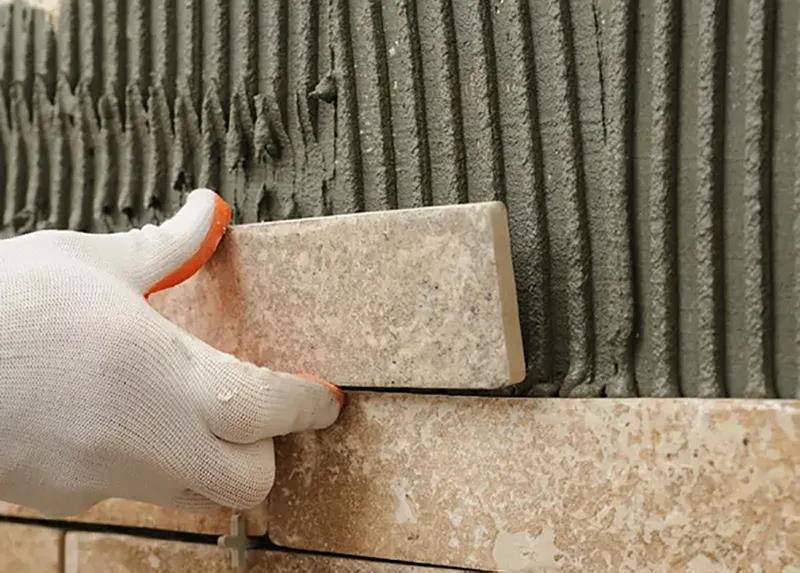
Resistência da ligação: Seja na colagem de concreto, alvenaria, placas de isolamento ou azulejos, a adição de pó de polímero pode resultar em um aumento de várias vezes na resistência da colagem. Essa é a razão fundamental para seu uso em argamassas de camada fina, argamassas de reparo e argamassas adesivas.
Flexibilidade e resistência a impactos: O polímero confere certa elasticidade à argamassa, reduzindo sua relação de resistência à compressão e à flexão e aumentando a flexibilidade. Ele resiste com eficácia aos danos causados por pequenas deformações do substrato, mudanças de temperatura ou impactos externos.
4.2 Uma garantia sólida de durabilidade e desempenho a longo prazo
Impermeabilidade e resistência à água: A densa película de polímero bloqueia os canais de migração de água, reduzindo significativamente a absorção de água e o coeficiente de absorção de água capilar da argamassa, proporcionando, assim, excelente impermeabilidade e efeitos hidrofóbicos.
Resistência ao ciclo de congelamento e descongelamento: Em ambientes de congelamento e descongelamento, o filme de polímero pode amortecer a pressão de expansão gerada pelo congelamento da água, reduzindo os danos à microestrutura. A argamassa pode manter a integridade estrutural e a resistência mesmo após centenas de ciclos de congelamento e descongelamento.
Corrosão química e resistência a intempéries: O pó de polímero de alta qualidade melhora a resistência da argamassa a ações químicas, como carbonatação e ataque de sulfato. Sua resistência ao envelhecimento por raios UV também é muito superior à da argamassa inorgânica pura.
Controle de encolhimento a seco: Ao aumentar a retenção interna de água e proporcionar restrição interna, ele pode reduzir efetivamente o valor de retração seca da argamassa em 20%-50%, o que é fundamental para evitar rachaduras pós-endurecimento.
4.3 Excelente experiência em construção e trabalhabilidade
Tempo de abertura e tempo de trabalhabilidade: Ao regular a taxa de evaporação da água e a hidratação do cimento, ele aumenta o tempo em que a argamassa permanece plástica e adesiva, facilitando operações complexas ou de grande escala.
Resistência à flacidez e tixotropia: Ele aumenta a coesão e as propriedades tixotrópicas da argamassa úmida, evitando a flacidez em superfícies verticais e garantindo a qualidade de formação da aplicação de camadas espessas.
Resistência à abrasão e qualidade da superfície: A superfície endurecida se torna mais densa e lisa devido à presença do filme de polímero, com maior resistência ao desgaste, alta resistência da superfície e redução de poeira.
Tecnologias de aprimoramento sinérgico e soluções de aplicativos da Ⅴ.TENESSY
5.1 A combinação perfeita de polímero em pó e éter de celulose
Complementaridade funcional: O éter de celulose oferece principalmente excelente retenção de água, espessamento e retenção de ar O pó de polímero tem como objetivo melhorar os efeitos do pó de polímero, garantindo que a mistura de argamassa seja uniforme, estável e resistente a sangramento/segregação. O pó de polímero, por outro lado, concentra-se em melhorar a resistência, flexibilidade e durabilidade da união do corpo endurecido. Sua combinação permite a cobertura de todo o desempenho do ciclo de vida, desde a "mistura" até o "endurecimento".
Aprimoramento sinérgico: O efeito de retenção de água do éter de celulose garante que o pó de polímero tenha água suficiente para a redispersão e a formação do filme, enquanto a rede formada pelo pó de polímero aprimora a integridade geral da argamassa, permitindo que a função do éter de celulose seja realizada de forma mais completa.
5.2 Sistemas de formulação personalizados para diferentes aplicações
Com base em uma compreensão profunda dos mecanismos, a equipe técnica da TENESSY desenvolveu formulações otimizadas para diferentes segmentos de mercado:
Adesivo para azulejos e sistemas de rejuntamento: Utilize pó de polímero com alta resistência de ligação e baixa temperatura de transição vítrea (Tg) para garantir a flexibilidade sob variações de temperatura, combinado com éteres de celulose específicos para obter propriedades antiderrapantes e tempo de abertura suficiente.
Sistema composto de isolamento térmico externo (ETICS) Argamassas de renderização: Foco na otimização da resistência ao impacto, resistência a rachaduras e resistência às intempéries. O pó de polímero trabalha em sinergia com fibras (por exemplo, fibras de polipropileno) e éteres de celulose hidrofóbicos para criar um sistema de proteção multicamadas.
Argamassas autonivelantes: Selecione variedades de pó de polímero com alta retenção de fluidez e efeitos de resistência inicial, combinados com superplastificantes de alta eficiência, cimentos especiais e éteres de celulose para obter alta planicidade, alta resistência e baixa uniformidade de encolhimento.
Argamassas de impermeabilização e reparo: Enfatizar a impermeabilidade, a microexpansão e a adaptabilidade do substrato. Empregue pó de polímero com excelentes propriedades adesivas e de formação de filme, cientificamente composto com agentes expansivos, sílica ativa etc.
Ⅵ. Diretrizes para seleção, construção e controle de qualidade
6.1 Princípios para a seleção científica
Seleção com base na Tg: Para regiões frias ou áreas com grandes variações de temperatura, escolha um pó de polímero com uma Tg mais baixa (mais flexível). Para áreas que enfatizam alta resistência e resistência ao desgaste, podem ser escolhidos produtos com uma Tg mais alta (mais dura).
Seleção com base no substrato e na função: Os substratos porosos exigem sistemas com alta retenção de água; os substratos lisos e densos exigem tipos de resistência de união ultra-alta.
Verificar a compatibilidade: Sempre teste a compatibilidade do pó de polímero com outros aditivos (por exemplo, superplastificantes, antiespumantes) no sistema de formulação final para evitar problemas como floculação ou arrastamento excessivo de ar.
6.2 Principais considerações sobre a construção
Siga rigorosamente a dosagem recomendada: A dosagem insuficiente não consegue formar uma rede de polímeros eficaz; o excesso pode prejudicar a hidratação do cimento, afetar a resistência e aumentar o custo. Normalmente, ele é responsável por 1%-5% da massa do material cimentício.
Garanta uma mistura completa: A mistura a seco deve ser uniforme, e a mistura suficiente após a adição de água é essencial para a redispersão completa do pó de polímero.
Preste atenção às condições de cura: A formação do filme de polímero requer condições adequadas. Inicialmente, evite a exposição ao sol forte e ao vento para evitar a evaporação excessivamente rápida da água. Em ambientes de baixa temperatura, a formação da película de polímero é mais lenta, exigindo um tempo de cura úmida adequadamente estendido.
Ⅶ. Conclusão
A aplicação do pó de polímero redispersível marca uma profunda transformação na tecnologia de argamassa, que deixou de depender exclusivamente de materiais cimentícios inorgânicos para se tornar um sistema de material composto orgânico-inorgânico. Não se trata apenas de um "aditivo", mas de um "componente-chave" que remodela a microestrutura da argamassa e define seu desempenho a longo prazo. Diante dos novos desafios trazidos pela construção ecológica, pela construção pré-fabricada, pela renovação urbana e pela engenharia de ambientes extremos, uma compreensão profunda e uma aplicação inovadora do mecanismo do pó de polímero redispersível são particularmente importantes.
TENESSIAA KPMG, como sua parceira de confiança em química de construção, continuará a se concentrar no desenvolvimento e na pesquisa aplicada de tecnologias de ponta, otimizando constantemente as soluções de sistemas aditivos centradas em pó de polímero redispersível e éter de celulose. Estamos comprometidos com o avanço da ciência dos materiais, trabalhando lado a lado com nossos clientes para construirmos juntos um futuro arquitetônico mais forte, mais durável e mais sustentável.