Russian
  English
  Arabic
  German
  French
  Indonesian
  Italian
  Czech
Czech  Dutch
Dutch  Finnish
  Turkish
  Greek
Greek  Spanish
  Portuguese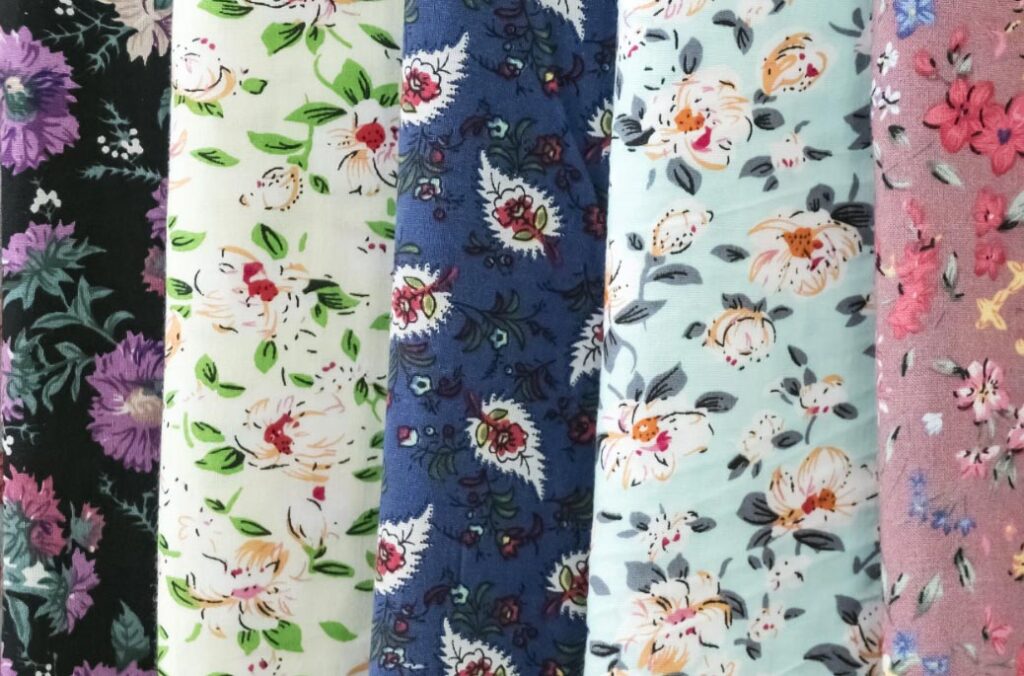
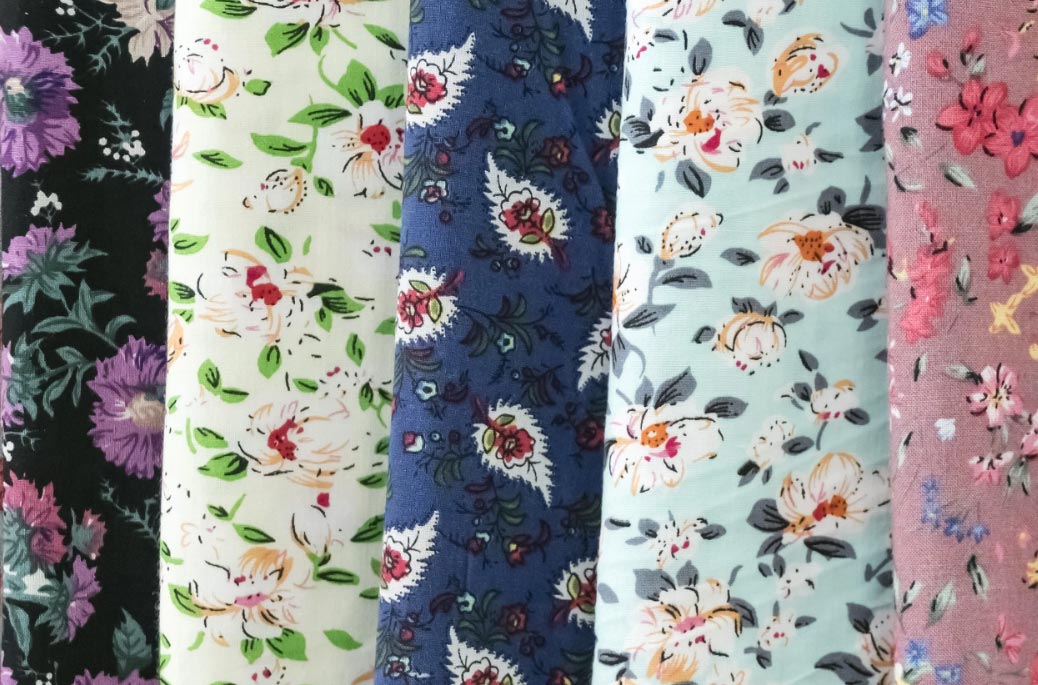
В textile printing industry, the performance of the printing paste directly affects the final print quality. Whether it’s rotary screen, flatbed screen, or digital inkjet printing, paste viscosity control и pattern clarity are always at the core of the technology. To achieve a balance between the two, Hydroxyethyl Cellulose (HEC), a high-performance non-ionic cellulose ether, is rapidly becoming the preferred additive for more and more printing plants and paste formulators.
I. What is HEC and Why Is It Suitable for Textile Printing?
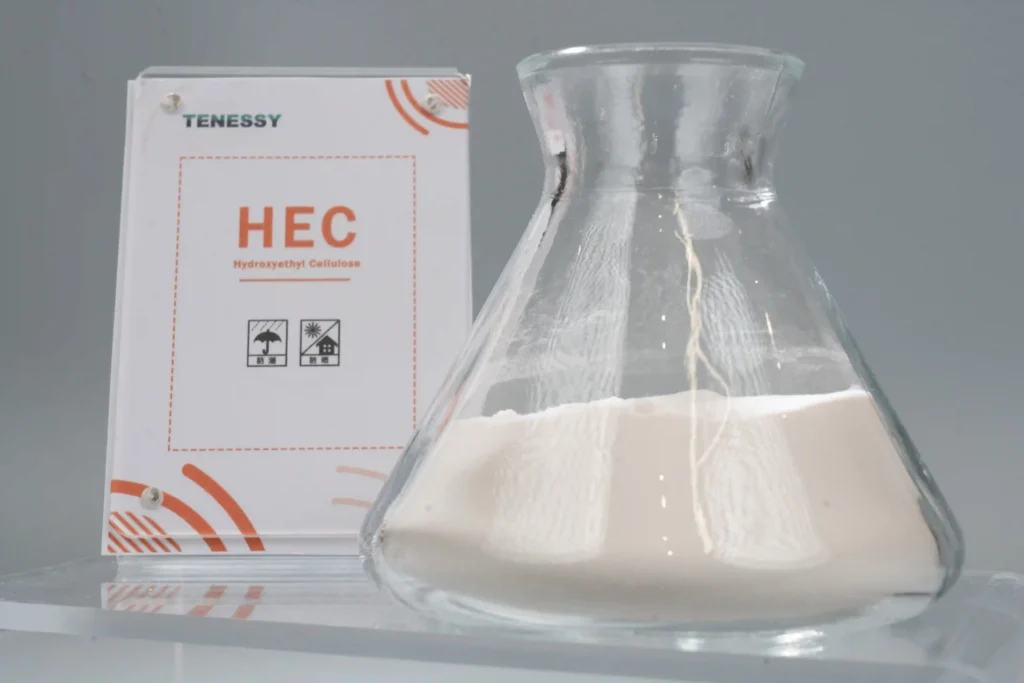
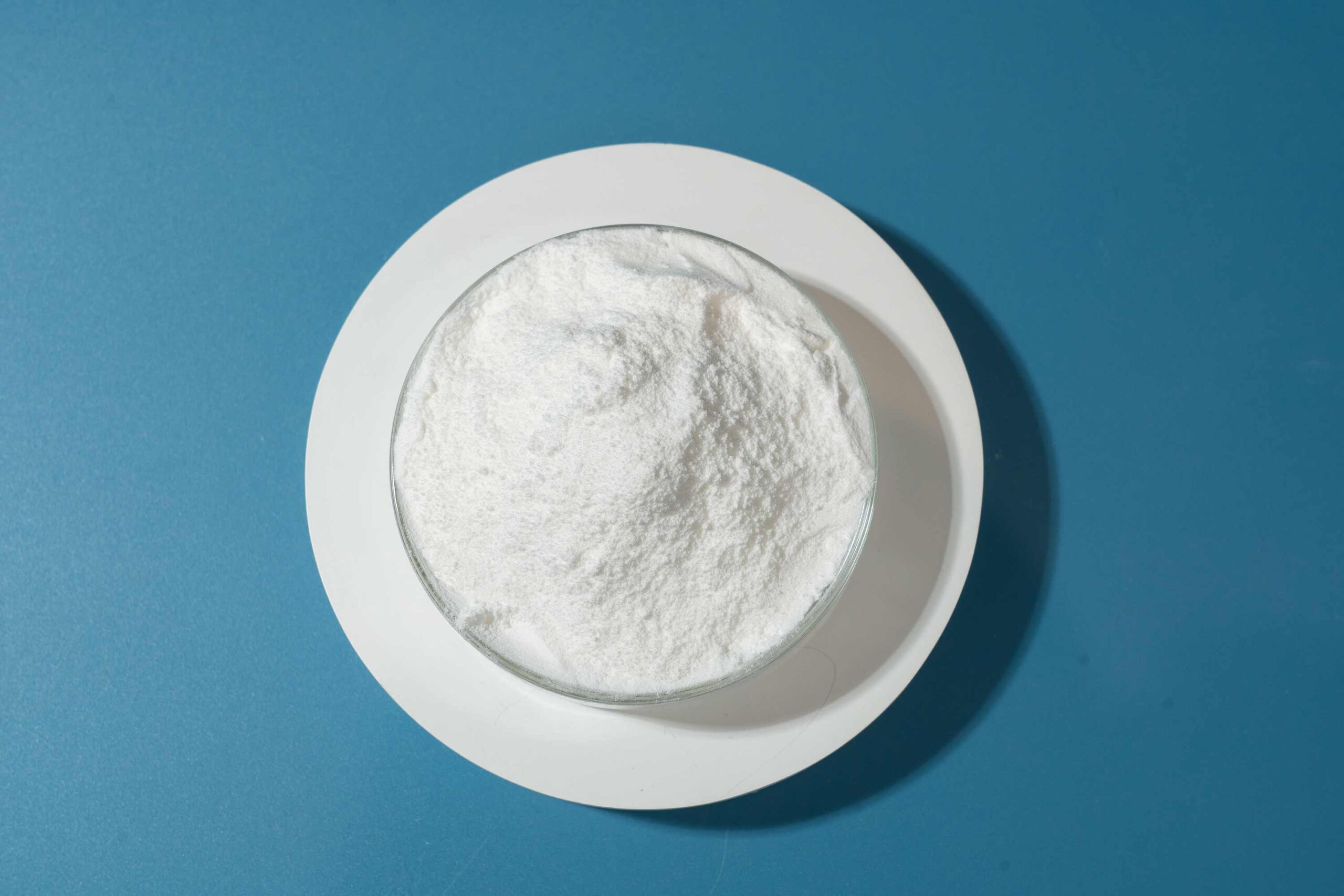
Гидроксиэтилцеллюлоза (HEC) is a non-ionic water-soluble polymer derived from natural cellulose through chemical modification. It offers excellent thickening, suspension, film-forming, water retention, and protective colloid properties. It remains stable over a wide pH range and is compatible with most surfactants, electrolytes, and pigments.
Compared with traditional thickeners such as sodium alginate, CMC, and starch, HEC has outstanding advantages:
Non-ionic nature – Does not react with reactive or disperse dyes, thus avoiding any impact on color shade
Excellent water retention – Reduces premature drying of the printing paste, preventing screen clogging
Pseudoplastic rheological behavior – Viscosity drops rapidly under shear (e.g., squeegee or nozzle), facilitating paste penetration; viscosity recovers quickly after shear removal, preventing bleeding
Excellent film-forming ability – After fixation, pattern edges remain sharp and clean, with no bleeding or fringing
These properties make HEC indispensable for improving paste viscosity and ensuring pattern clarity.
II. How HEC Improves Paste Viscosity and Its Significance for Printing Processes
2.1 Precise Control of Rheology
If paste viscosity is too low, the paste tends to bleed, resulting in blurred pattern boundaries and chaotic cloud tones. If too high, the paste struggles to pass through the screen mesh, causing skips, missing paste, or broken lines. The pseudoplastic nature of HEC means viscosity decreases under high shear (during the squeegee process), allowing the paste to pass through the screen easily. Once shear stops, viscosity quickly recovers, preventing further paste flow on the fabric. This enables precise reproduction of fine lines and small dots.
2.2 Improved Paste Stability, Preventing Settling and Separation
Printing pastes often contain multiple components such as pigments, dyes, urea, alkali agents, and anti-migration agents. HEC increases the yield value and suspension capacity of the paste, effectively preventing solid particles from settling. This avoids color differences or speckles within the same batch. A stable paste means greater consistency in continuous production and significantly lower rejection rates.
2.3 Balanced Thixotropy for Penetration and Coverage
For thick fabrics or pile materials, a certain degree of penetration is required to achieve adequate color depth without damaging the surface pattern structure. HEC provides moderate thixotropy: the paste flows and penetrates under pressure, then recovers viscosity after pressure is released, so the paste stays on the fiber surface rather than spreading uncontrollably. This property is especially critical in overprinting and multi-color registration.
III. HEC’s Contribution to Pattern Clarity
3.1 Inhibiting Bleeding for Sharp Edges
The main cause of blurred patterns is the outward migration of water from the paste through fabric capillary action. HEC absorbs and retains water, reducing the rate of water migration. At the same time, the weak gel network physically restricts paste flow. Experiments show that adding 0.5%–1.5% (by total paste weight) of HEC significantly improves the clarity of fine lines and small dots, reducing bleeding by more than 40%.
3.2 Enabling Fine Patterns and High-Mesh Printing
Textile printing is moving toward higher precision, with some patterns requiring mesh counts of 200 or higher. Traditional thickeners tend to clog fine meshes. In contrast, HEC solutions are highly transparent, low in insolubles, and provide adequate viscosity even at low concentrations, greatly reducing downtime due to screen clogging. In fine-line, halftone, and gradient patterns for flatbed and rotary screens, HEC demonstrates comprehensive performance superior to sodium alginate.
3.3 Improved Wash-Off Properties, Indirectly Enhancing Visual Quality
Some thickeners leave residues that cause white-ground staining or stiff hand feel. HEC is soluble in cold water and can be quickly removed by low-temperature washing, leaving no residual film. A clean wash-off process avoids residual paste interfering with subsequent color brightness or white areas, indirectly ensuring overall pattern clarity and vibrancy.
IV. Practical Applications of HEC in Typical Printing Systems
4.1 Reactive Dye Printing (Cotton, Linen, Viscose)
Sodium alginate has long been the benchmark thickener for reactive dye printing, but its electrolyte tolerance is weak. Viscosity drops sharply in the presence of high alkali or urea. HEC has much higher salt and alkali tolerance and can be used as a co-thickener with sodium alginate (typically 15%–30% of the thickener system), significantly improving paste stability and reducing bleeding. For high-precision reactive printing, HEC is also used alone to formulate complex patterns that combine fine lines and large solid areas.
4.2 Disperse Dye Printing (Polyester)
Under acidic or weakly alkaline conditions, some thickeners can interfere with disperse dye transfer or fixation. HEC is non-ionic and inert, does not affect dye dispersion stability, and does not decompose or change color during heat setting, making it ideal for polyester printing in high-temperature steam fixation. In direct disperse printing or transfer printing base pastes, HEC provides smooth squeegee performance and sharp dot reproduction.
4.3 Pigment Printing
Pigment printing requires both good film-forming properties and soft hand feel. HEC has good compatibility with acrylic binders, increasing paste thixotropy and preventing pigment settling without creating an excessively stiff film. In practice, pigment printing pastes containing HEC are more suitable for high-speed rotary screen printing, with significantly fewer broken lines and screen clogging, and sharp pattern edges free of serration.
V. Key Process Considerations When Using HEC
5.1 Proper Dissolution Method
HEC tends to form lumps if not dissolved correctly. It is recommended to slowly add HEC to room-temperature water under stirring, allowing complete wetting before adjusting pH (typically 10–11 to promote dissolution). Alternatively, a pH adjustment method can be used to accelerate dissolution. Avoid adding HEC all at once or directly into hot water, which creates insoluble agglomerates.
5.2 Foam Control
Stirring HEC solutions can introduce air bubbles, leading to pinholing or white spots on the printed surface. It is advisable to let the solution stand after mixing to allow deaeration, or to add a small amount of non-silicone defoamer. Some ТЕНЕССИ HEC grades feature surface treatment to significantly reduce foaming tendency.
5.3 Order of Addition
Typically, prepare a stock paste by dissolving HEC first, then add dyes/pigments, auxiliary chemicals, and finally water. Acidic or high-concentration electrolyte solutions should be diluted and added slowly to avoid local salting-out that could destabilize the HEC structure.
5.4 Preservation
HEC, being a modified natural polymer, can support microbial growth if stored for extended periods in aqueous solution. It is best to prepare printing paste for immediate use, or add a broad-spectrum preservative to extend shelf life.
Ⅵ.Performance Comparison: HEC vs. Other Common Thickeners
| Недвижимость | HEC | Sodium Alginate | CMC | Эфир крахмала |
|---|---|---|---|---|
| Ionic type | Неионогенные | Анионный | Анионный | Неионогенные |
| Reactivity with reactive dyes | None | Слабый | Yes | None |
| Electrolyte tolerance | Высокий | Низкий | Средний | Высокий |
| Film clarity | Превосходно | Превосходно | Хорошо | Средний |
| Ease of wash-off | Easy | Easy | Средний | Difficult |
| Bleeding resistance | Превосходно | Превосходно | Средний | Хорошо |
| Hand feel influence | Soft | Somewhat stiff | Средний | Somewhat stiff |
HEC performs well across all these parameters. Its advantages are particularly evident in non-ionic systems, electrolyte resistance, and fine patterns, making it ideal for medium-to-high-end printing houses that demand high clarity and reproducibility.
Ⅶ.Industry Trends and the Value of TENESSY
Textile printing is moving toward digitalization, cleaner production, and higher precision. Digital inkjet printing pretreatment liquids demand even more from HEC: sufficient film-forming to prevent ink bleeding, while ensuring no nozzle clogging. Thanks to its controllable molecular weight, high purity, and low ash content, HEC is an ideal component in pretreatment formulations.
TENESSY has many years of НИОКР and manufacturing experience in Hydroxyethyl Cellulose. Our HEC series for the textile industry offers:
Excellent batch-to-batch consistency – Viscosity variation controlled within ±5%
High purity, low insolubles – Reduced screen clogging and fabric defects
Fast-dissolving grades – Shortened paste preparation time, improved production efficiency
Customizable molecular weight – Suitable for rotary screen, flatbed screen, and inkjet printing processes
Whether replacing traditional sodium alginate or optimizing existing pigment or reactive printing systems, TENESSY HEC helps customers achieve clearer, more stable printing results.
Заключение
In an era of high efficiency and high precision in textile printing, HEC, with its outstanding thickening, water retention, pseudoplastic rheology, and film-forming properties, has become a key additive for improving paste viscosity and pattern clarity. By selecting the right HEC and applying scientific formulation and process control, printing operations can reduce defects, increase first-quality rates, and lower overall costs.