Indonesian
  English
  Arabic
  German
  French
  Russian
  Italian
  Czech
Czech  Dutch
Dutch  Finnish
  Turkish
  Greek
Greek  Spanish
  Portuguese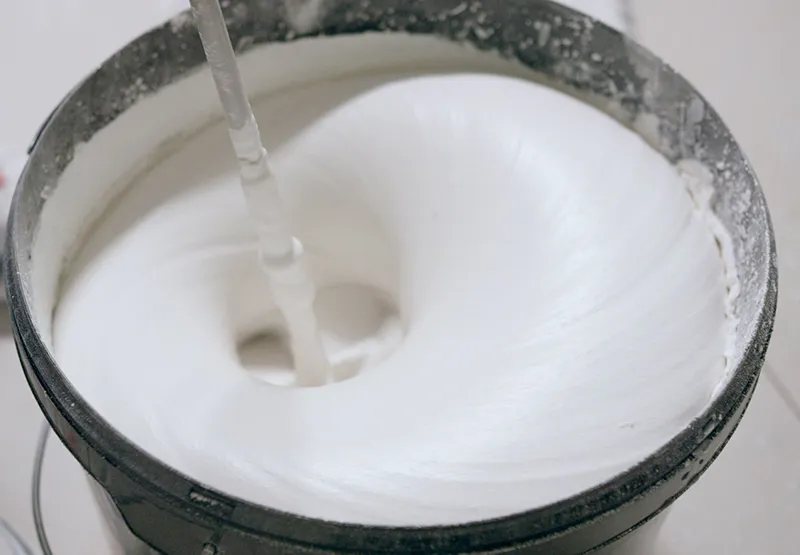
Ⅰ.Pendahuluan
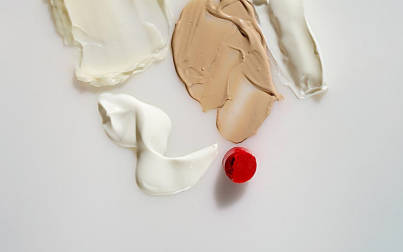
Di dalam industri pelapisFungsi utama HEC meliputi: memberikan sifat reologi yang sangat baik untuk aplikasi, mencegah pengendapan pigmen, meningkatkan stabilitas penyimpanan, memperpanjang waktu buka, dan mengendalikan percikan dan kekenduran. Dengan pertumbuhan global yang cepat dalam permintaan untuk pelapis berbasis air yang ramah lingkungan, HEC telah menjadi salah satu alternatif yang lebih disukai daripada aditif pelapis berbasis pelarut tradisional karena tidak beracun, tidak berbau, biokompatibilitas yang baik, dan kinerja yang luar biasa. Artikel ini akan secara sistematis menjelaskan sifat dasar dan mekanisme kerja HEC, memberikan tabel parameter teknis terperinci dan pedoman formulasi, dan mempelajari solusi aplikasi praktisnya dalam berbagai jenis pelapis, menawarkan referensi teknis yang komprehensif untuk personel R&D dan insinyur.
Analisis Mendalam HEC - Dari Struktur Molekuler hingga Sifat Dasar
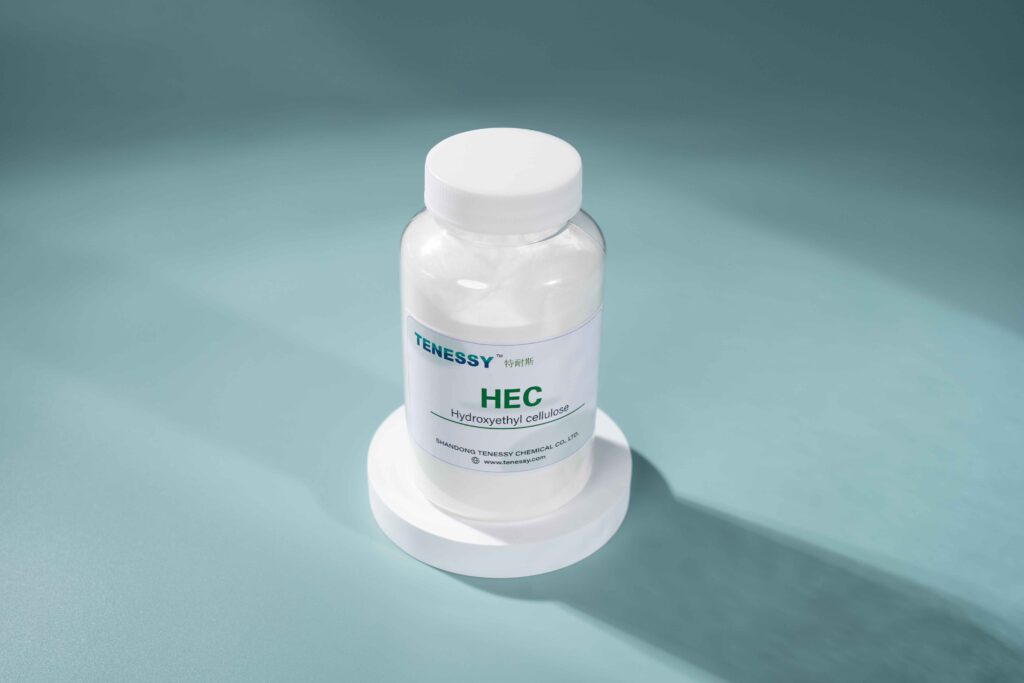
2.1 Struktur dan Sintesis Molekul
Sintesis dari Hidroksietil Selulosa dimulai dengan α-selulosa dengan kemurnian tinggi (biasanya berasal dari bubur kayu atau serat kapas). Dengan adanya katalis basa (seperti NaOH), gugus hidroksil dari selulosa diaktifkan, diikuti dengan reaksi eterifikasi dengan etilen oksida, yang memperkenalkan rantai samping hidroksietil.
Parameter Struktural Utama
Derajat Substitusi (DS): Mengacu pada jumlah rata-rata gugus hidroksil yang tersubstitusi per unit anhidroglukosa. HEC komersial biasanya memiliki DS antara 1,5 dan 2,5. DS memengaruhi kecepatan pelarutan, kejernihan larutan, dan toleransi elektrolit.
Substitusi Molar (MS): Mengacu pada jumlah rata-rata mol etilen oksida yang digabungkan per unit anhidroglukosa. Karena gugus hidroksietil itu sendiri mengandung gugus hidroksil yang dapat bereaksi lebih lanjut, MS bisa lebih besar dari DS. MS secara signifikan mempengaruhi retensi air dan karakteristik viskositas HEC.
2.2 Sifat Fisikokimia Dasar HEC
Properti | Deskripsi dan Nilai Khas |
Penampilan | Serbuk atau butiran putih hingga putih pudar |
Kelarutan | Mudah larut dalam air dingin dan panas, membentuk larutan kental transparan hingga tembus cahaya; tidak larut dalam sebagian besar pelarut organik. |
Karakter Ionik | Non-ionikmenunjukkan kompatibilitas yang baik dengan sebagian besar aditif ionik. |
Rentang Viskositas | Sangat luas (larutan berair 1%, Brookfield, 25°C), dapat berkisar dari puluhan hingga puluhan ribu milipascal-detik (mPa-detik). |
Stabilitas pH | Stabil dalam kisaran pH 2-12, kisaran kinerja optimal adalah pH 6-9. Penyimpanan jangka panjang dalam kondisi asam atau basa kuat dapat menyebabkan degradasi. |
Stabilitas Termal | Larutan dapat bertahan pada suhu ~100°C dalam waktu singkat; pemaparan dalam waktu lama di atas 80°C menyebabkan hilangnya viskositas karena oksidasi dan degradasi. |
Kemampuan Membentuk Film | Dapat membentuk film yang transparan dan fleksibel, tetapi film HEC murni memiliki kekuatan yang terbatas dan biasanya digunakan sebagai bahan tambahan daripada zat pembentuk film utama. |
Kemampuan terurai secara hayati | Rentan terhadap degradasi mikroba; oleh karena itu, larutan berairnya harus mengandung pengawet yang sesuai. |
2.3 Mekanisme Fungsional Inti
Mekanisme Penebalan: Banyaknya gugus hidroksil dan eter pada rantai molekul HEC membentuk jaringan ikatan hidrogen yang kuat dengan molekul air. Rantai molekul memanjang dan terjerat dalam air melalui hidrasi, sangat meningkatkan ketahanan gesekan internal terhadap aliran fluida, sehingga mencapai pengentalan yang efisien.
Kontrol Reologi (Pseudoplastisitas): Pada saat diam, jaringan ikatan hidrogen masih utuh, dan sistem menunjukkan viskositas tinggi, menangguhkan pigmen dan menahan kekenduran. Di bawah geseran (misalnya, menyikat, menggulung), jaringan ikatan hidrogen terganggu secara reversibel, rantai molekul sejajar dengan arah geseran, dan viskositas langsung berkurang, membuat aplikasi menjadi mudah dan film menjadi halus. Setelah geseran berhenti, jaringan pulih dengan cepat.
Mekanisme Retensi Air: Struktur molekul yang sangat hidrofilik dapat "mengunci" sejumlah besar air bebas melalui ikatan hidrogen, menunda penetrasi air ke dalam substrat berpori dan penguapan ke udara, memberikan "waktu terbuka" yang lebih lama untuk perataan lapisan, perataan pigmen, dan pembentukan film.
Ⅲ. Peran Inti dan Keunggulan Kinerja HEC dalam Pelapisan
3.1 Proses Komprehensif dan Peningkatan Kinerja
Kontrol Reologi dan Sifat Aplikasi yang sangat baik: HEC memberikan kurva reologi pseudoplastik yang ideal dengan "viskositas rendah pada geseran tinggi, viskositas tinggi pada geseran rendah" pada pelapis. Hal ini membuat pelapis mudah dibubarkan, dipompa, dan diaplikasikan (tidak ada hambatan selama penggulungan atau penyikatan), sementara viskositas pulih segera setelah aplikasi, yang secara efektif mencegah kendur dan menetes pada permukaan dan sudut vertikal.
Retensi Air yang Unggul, Memperpanjang Waktu Buka: Terutama pada cat lateks interior/eksterior, dempuldan mortirHEC secara signifikan memperlambat kehilangan air, menghindari masalah seperti keretakan film, bubuk, dan bekas putaran disebabkan oleh penyerapan air substrat yang cepat dan pengeringan permukaan, sehingga meningkatkan integritas dan estetika film akhir.
Suspensi Pigmen yang Ditingkatkan dan Stabilitas Penyimpanan: Struktur jaringan tiga dimensi yang dibuat oleh HEC secara efektif mencegah pengendapan dan penggumpalan pigmen (misalnya, titanium dioksida) dan bahan pengisi (misalnya, kalsium karbonat, kaolin), memastikan pelapisan tetap homogen selama masa simpannya, dengan stabilitas kaleng yang baik dan warna yang konsisten.
Kontrol yang Efektif terhadap Percikan Aplikasi: Selama aplikasi roller, HEC meningkatkan kohesi lapisan, mengurangi gerimis dan percikan yang dihasilkan oleh rotasi roller berkecepatan tinggi, meningkatkan lingkungan aplikasi dan mengurangi limbah material.
Properti Film yang Lebih Baik: Dengan mempromosikan distribusi pigmen yang seragam dan memperpanjang waktu perataan film basah, HEC berkontribusi pada pembentukan film yang lebih padat, lebih halus, dan lebih tersembunyi.
3.2 Efek Sinergis dengan Selulosa Eter Lainnya
HEC + MC/HPMC: MC/HPMC menunjukkan tiksotropi yang lebih kuat. Dikombinasikan dengan pseudoplastisitas HEC, kurva reologi yang lebih curam dapat dicapai, mewujudkan kondisi ideal "aplikasi yang sangat mulus, pengaturan langsung saat dihentikan."
HEC + CMC: Dalam dempul dan nat berbiaya rendah, CMC memberikan peningkatan viskositas awal yang cepat, sementara HEC memberikan pemeliharaan viskositas yang tahan lama, meningkatkan kemampuan sekop dan sifat anti-kendur.
Ⅳ. Parameter Teknis Utama dan Panduan Pemilihan untuk HEC
Tabel 1: Jenis HEC yang Diklasifikasikan Berdasarkan Tingkat Viskositas dan Aplikasinya
Tingkat Viskositas | Nilai Viskositas Khas (larutan berair 2%, 25°C, mPa-s) | Karakteristik Utama | Bidang Aplikasi yang Direkomendasikan |
Tipe Viskositas Rendah | 100 – 3.000 | Pembubaran cepat, transparansi larutan tinggi, fluiditas yang baik | Cat interior/eksterior dengan viskositas rendah, lapisan atas bening, tinta berbasis air, sistem yang membutuhkan perataan tinggi |
Jenis Viskositas Sedang | 3.000 – 10.000 | Tujuan umum, pengentalan yang seimbang, retensi air, dan sifat aplikasi | Cat lateks interior standar, cat proyek, pelapis arsitektural kelas menengah, perekat |
Tipe Viskositas Tinggi | 10.000 – 30.000 | Efisiensi pengentalan yang tinggi, retensi air yang sangat baik, kinerja anti-lembek yang kuat | Pelapis bertekstur eksterior, pelapis elastis, cat bantuan, pasta dempul, bubur tahan air |
Tipe Viskositas Sangat Tinggi | > 30,000 | Efisiensi pengentalan dan retensi air yang sangat tinggi, kecenderungan pembentukan film yang kuat | Dempul dengan kandungan padat tinggi, mortar pasangan bata/plesteran, perekat ubin, sealant khusus |
Tabel 2: Pengaruh Dosis HEC Khas pada Kinerja Pelapisan
Sistem Aplikasi | Dosis HEC yang Direkomendasikan (Berdasarkan berat total formulasi %) | Khasiat Utama | Tindakan pencegahan |
Cat Lateks Interior | 0,15% – 0,40% | Memberikan viskositas dasar, meningkatkan retensi air, anti percikan | Sering ditambah dengan HEUR untuk mengoptimalkan reologi geser tinggi |
Lapisan Elastis Eksterior | 0,25% – 0,50% | Anti-kendur, memperpanjang waktu buka, menangguhkan pigmen | Pilih kelas dengan ketahanan air dan cuaca yang baik |
Dempul / Plester Gipsum | 0,3% – 0,8% | Retensi air yang sangat baik, meningkatkan kemampuan sekop dan anti-melorot | Dosis tinggi dapat mempengaruhi kekuatan akhir dan ketahanan air |
Cat Industri Berbasis Air | 0,1% – 0,3% | Mencegah pengendapan, meningkatkan aliran dan perataan | Perhatikan kompatibilitas dengan pelarut dan resin sistem |
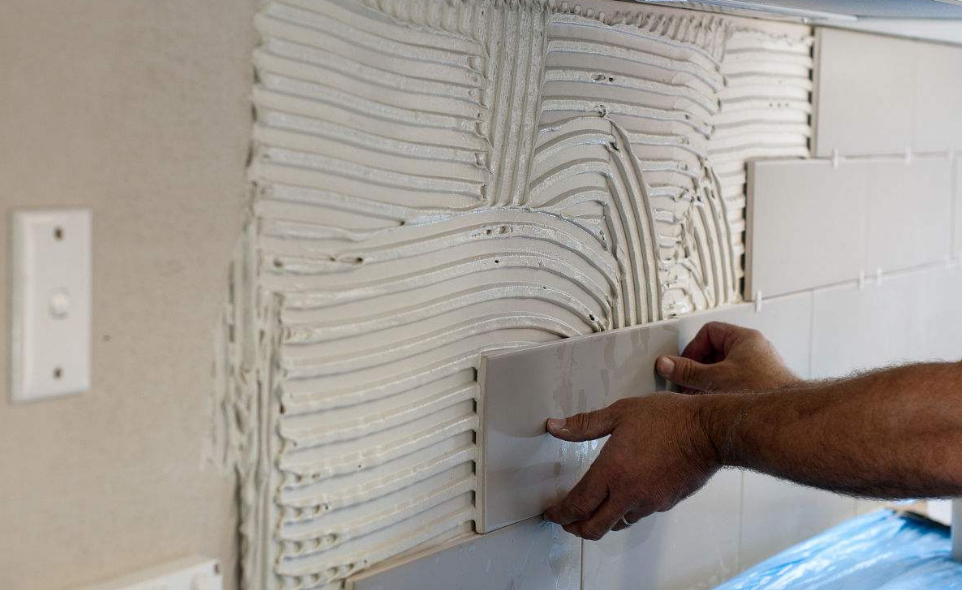
Perekat Ubin | 0,2% – 0,6% | Menahan air untuk meningkatkan hidrasi semen, meningkatkan sifat anti selip | Menggunakan tingkat viskositas tinggi menghasilkan efek yang lebih menonjol |
Ⅴ. Solusi Aplikasi Praktis
Proses Pembubaran dan Penyebaran (Kunci untuk Menghindari Penggumpalan)
Metode yang Disarankan (Penambahan Bubuk Langsung):
Di bawah agitasi yang kuat, taburkan bubuk HEC secara perlahan ke dalam pusaran air.
Lanjutkan pengadukan hingga partikel-partikel benar-benar tersebar dan dibasahi; larutan mungkin masih tampak keruh pada tahap ini.
Sesuaikan pH hingga 8-9 (dapat mempercepat pelarutan), atau biarkan selama 1-2 jam sampai larutan menjadi jernih dan seragam.
Metode Alternatif (Metode Pra-pencampuran):
Campur bubuk HEC secara merata dengan bahan bubuk lain dalam formulasi (misalnya, titanium dioksida, bahan pengisi) atau dengan cairan yang tidak larut dalam air (misalnya, etilen glikol), kemudian tambahkan campuran ini ke dalam air dengan pengadukan. Metode ini secara efektif mencegah aglomerasi.
Ⅵ. Kesimpulan
Sebagai perusahaan teknologi tinggi yang berspesialisasi dalam penelitian, pengembangan, dan produksi eter selulosa, TENESSY sangat memahami bahwa pengembangan pelapis berperforma tinggi modern telah bergerak lebih dari sekadar menambahkan sifat-sifat dari satu bahan baku. Baik itu jaringan retensi air ganda "bulk-interface" yang dibangun oleh HEC dan HPMC, atau matriks kinerja multi-dimensi yang dibentuk oleh HEC dengan berbagai pengental dan aditif, intinya terletak pada pencocokan yang tepat dan memaksimalkan efisiensi.
Mengandalkan kontrol yang tepat atas struktur molekul, tingkat substitusi, tingkat viskositas, dan perilaku reologi eter selulosa, TENESSY tidak hanya dapat memasok produk individu berkinerja tinggi (seperti HEC dan HPMC dengan viskositas yang berbeda) tetapi juga, berdasarkan wawasan yang mendalam tentang sistem formulasi pelapisan, menyediakan pelanggan dengan "Solusi Sinergis Selulosa Eter". Kami berkomitmen untuk membantu pelanggan:
Desain Kurva Reologi yang Tepat: Mencapai kontrol reologi yang ideal di seluruh proses, mulai dari penyimpanan dan aplikasi hingga pembentukan film melalui peracikan produk ilmiah seperti HEC dan HPMC.
Mengatasi Tantangan Aplikasi Spesifik: Memberikan dukungan formulasi yang disesuaikan berdasarkan efek sinergis dari cellulose ethers untuk mengatasi tantangan seperti retak pada substrat yang cepat kering, kekenduran pada lapisan tebal vertikal, dan aplikasi di lingkungan bersuhu tinggi.
Mengoptimalkan Efektivitas Biaya yang Komprehensif: Mencapai keseimbangan optimal antara biaya bahan baku dan efisiensi produksi sambil memastikan atau bahkan meningkatkan kinerja pelapisan akhir melalui formulasi sinergis ilmiah.