Portuguese
  English
  Arabic
  German
  French
  Indonesian
  Russian
  Italian
  Czech
Czech  Dutch
Dutch  Finnish
  Turkish
  Greek
Greek  Spanish
Ⅰ.Introdução
O concreto de ultra-alto desempenho (UHPC) representa a geração mais avançada de materiais à base de cimento, caracterizada por excepcional resistência à compressão, durabilidade superior e excelente trabalhabilidade. A obtenção dessas propriedades requer um projeto de mistura altamente otimizado e aditivos químicos avançados. Entre eles, Superplastificante de policarboxilato (PCE) desempenha um papel decisivo.
Neste artigo, exploraremos como o superplastificante de policarboxilato funciona em sistemas UHPC, seus parâmetros técnicos, recomendações de dosagem, considerações de compatibilidade e vantagens de desempenho em aplicações práticas de engenharia.
O que é superplastificante de policarboxilato?
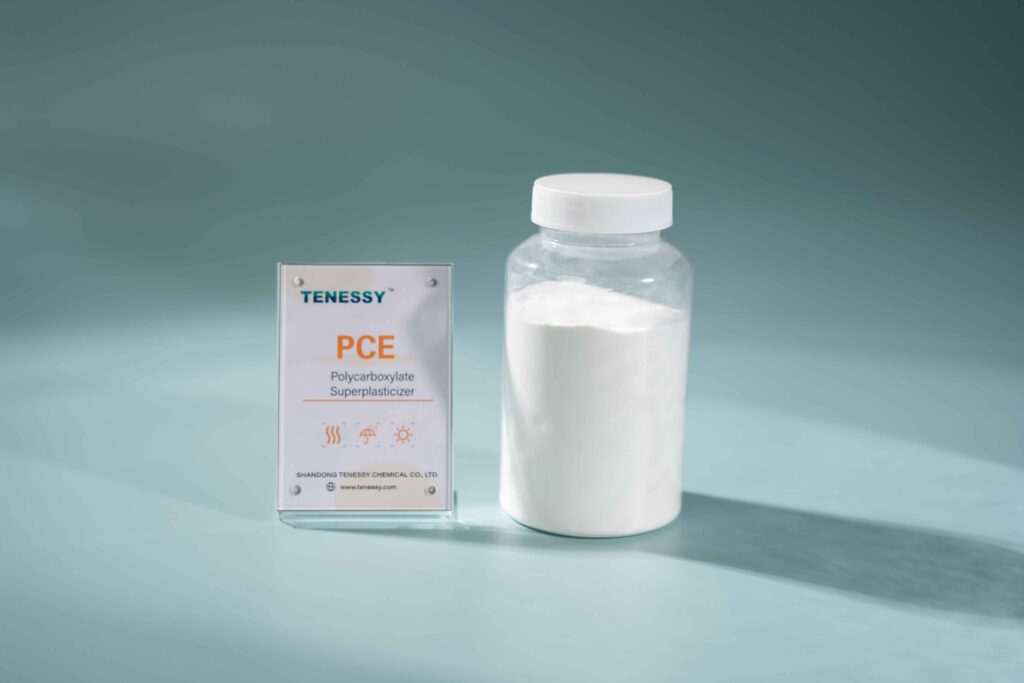
O superplastificante de policarboxilato (PCE) é um aditivo redutor de água de alto alcance baseado em uma tecnologia avançada de polímero tipo pente. Diferentemente dos superplastificantes tradicionais à base de naftaleno ou melamina, as moléculas do PCE contêm:
- Um backbone carregado negativamente para repulsão eletrostática
- Cadeias laterais de poliéter que proporcionam impedimento estérico
Esse mecanismo de dispersão dupla permite uma dispersão superior das partículas de cimento, resultando em
- Redução extremamente alta de água
- Melhoria da fluidez
- Retenção prolongada de slump
- Desenvolvimento aprimorado da força
Para aplicações de UHPC, em que a proporção de água para aglutinante (w/b) normalmente varia de 0,14 a 0,20o PCE é indispensável.
Ⅲ. Por que o UHPC requer superplastificante de policarboxilato
As formulações de UHPC geralmente incluem:
- Cimento Portland comum (OPC)
- Fumaça de sílica (10-25%)
- Pó de quartzo
- Areia fina de quartzo
- Fibras de aço (1-3% por volume)
- Teor de água muito baixo
Sem um superplastificante de alto desempenho, a mistura não poderia ser trabalhada.
Principais desafios em UHPC:
- Proporção extremamente baixa de água e aglutinante
- Alto teor de pó (800-1000 kg/m³ de aglutinante)
- Alta área de superfície específica de sílica ativa
- Requisitos de dispersão da fibra
O superplastificante de policarboxilato resolve esses desafios ao proporcionar alta fluidez sem aumentar o teor de água.
Ⅳ. Especificações técnicas do PCE para UHPC
Abaixo estão os parâmetros técnicos típicos de um PCE de alto desempenho projetado para aplicações UHPC:
Propriedade | Especificação |
Aparência | Líquido amarelo claro a incolor |
Conteúdo sólido | 40% ±1% |
Valor do pH | 6.0 - 7.5 |
Densidade (20°C) | 1,08 ±0,02 g/cm³ |
Teor de cloreto | ≤ 0,1% |
Conteúdo alcalino (Na₂O eq.) | ≤ 5.0% |
Taxa de redução de água | ≥ 30% (até 40%) |
Retenção de queda | 60 a 120 minutos (ajustável) |
Dosagem recomendada | 0,15% - 0,35% do peso do aglutinante |
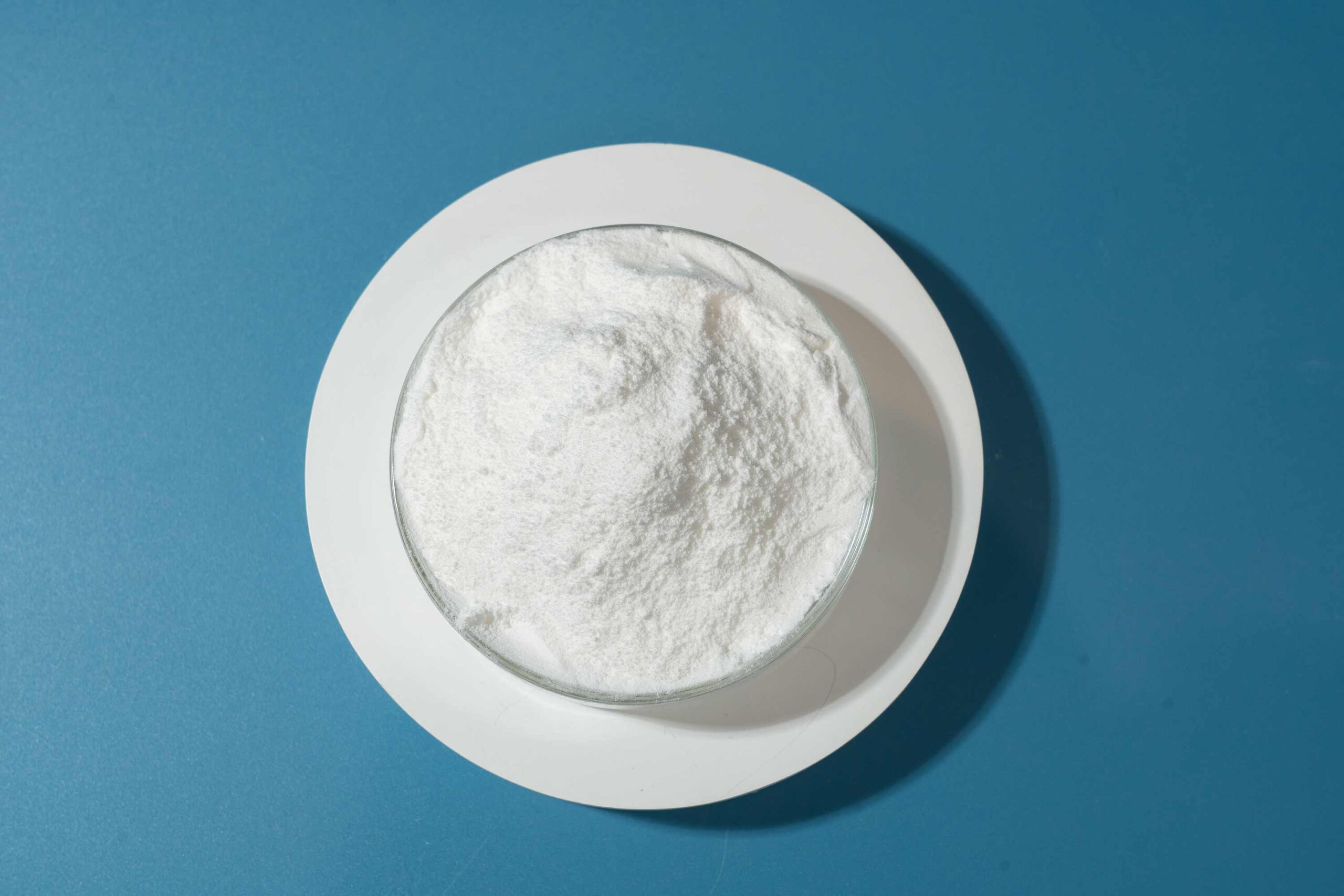
Para PCE do tipo pó (seco por pulverização):
Propriedade | Especificação |
Aparência | Pó branco ou amarelo claro |
Teor de umidade | ≤ 5% |
Conteúdo sólido | ≥ 95% |
Taxa de redução de água | ≥ 30% |
Vantagens de desempenho em UHPC
1. Alta capacidade de redução de água
O UHPC requer um teor de água extremamente baixo. Um PCE de alta qualidade pode atingir:
- 30-40% redução de água
- Mantém a fluidez em proporções de p/b abaixo de 0,18
Isso permite que as resistências à compressão sejam excedidas:
- 120 MPa em 28 dias
- 150-180 MPa em sistemas otimizados
2. Fluidez superior e capacidade de autocompactação
Diâmetro típico da mesa de fluxo de UHPC:
- 240 - 300 mm (sem vibração)
O superplastificante de policarboxilato garante:
- Dispersão uniforme de sílica ativa
- Viscosidade reduzida
- Melhor distribuição da fibra de aço
3. Excelente retenção de slump
Para elementos UHPC pré-moldados ou transporte longo:
- Abertura inicial: 260 mm
- Após 60 minutos: ≥ 230 mm
O desempenho da retenção pode ser personalizado com o ajuste da estrutura do polímero (cadeias laterais mais longas ou grupos retardadores).
4. Desenvolvimento aprimorado da força
Melhorando a dispersão do cimento e reduzindo a floculação:
- Resistência inicial (24 horas): 50-80 MPa (com cura por calor)
- Resistência à compressão em 28 dias: 120-180 MPa
A menor porosidade resulta em:
- Permeabilidade reduzida
- Maior durabilidade
- Maior resistência ao congelamento e descongelamento
Ⅵ. Compatibilidade com materiais UHPC
Um PCE de alto desempenho deve demonstrar compatibilidade com:
Tipos de cimento
- ASTM Tipo I/II OPC
- CEM I 52.5R
- Cimento com baixo teor de álcalis
Materiais cimentícios complementares (SCMs)
- Fumaça de sílica (10-25%)
- Escória de alto-forno granulada moída (GGBS)
- Cinzas volantes (Classe F)
Fibras
- Fibras de aço
- Fibras de polipropileno
- Fibras de basalto
A boa compatibilidade garante um fluxo estável e evita a entrada excessiva de ar.
Ⅶ. Dosagem recomendada em UHPC
Faixa de dosagem típica:
- 18% - 0,30% por peso do aglutinante total
Exemplo de projeto de mistura de UHPC:
Componente | Quantidade (kg/m³) |
Cimento | 750 |
Fumaça de sílica | 180 |
Quartzo em pó | 150 |
Areia | 1000 |
Água | 160 |
Fibra de aço | 150 |
PCE | 2.0 - 3.0 |
A dosagem final deve ser otimizada por meio de testes laboratoriais.
Ⅷ. Áreas de aplicação do UHPC com PCE
O superplastificante de policarboxilato permite o uso de UHPC em..:
- Vigas de pontes
- Painéis de fachada pré-moldados
- Estruturas marítimas
- Torres de turbinas eólicas
- Componentes ferroviários de alta velocidade
- Elementos arquitetônicos finos
Nos setores de pré-moldados, o rápido desenvolvimento da resistência permite a desmoldagem em 24 horas sob condições de cura a vapor.
Ⅸ. Conclusão
O superplastificante de policarboxilato é um componente essencial do concreto de ultra-alto desempenho (UHPC). Sua estrutura molecular avançada proporciona:
- Alta redução de água (≥30%)
- Excelente fluidez
- Retenção superior de slump
- Aumento da resistência em até 180 MPa
- Compatibilidade com sílica ativa e fibras
Sem a tecnologia PCE, o UHPC moderno não seria técnica ou economicamente viável.
Para os produtores de UHPC que buscam um desempenho otimizado, selecionar um superplastificante de policarboxilato de alta qualidade com parâmetros técnicos verificados e testes de compatibilidade é essencial para obter resultados consistentes e confiáveis.