

 Portuguese
  English
  Arabic
  German
  French
  Indonesian
  Russian
  Italian
  Czech
Czech  Dutch
Dutch  Finnish
  Turkish
  Greek
Greek  Spanish
 Retardador de gesso para gesso
- Início
- "
- Setores e aplicações
- "
- Gesso à base de gesso
- "
- Retardador de gesso para gesso
Gypsum Retarder for Gesso: Improving Workability and Application Performance
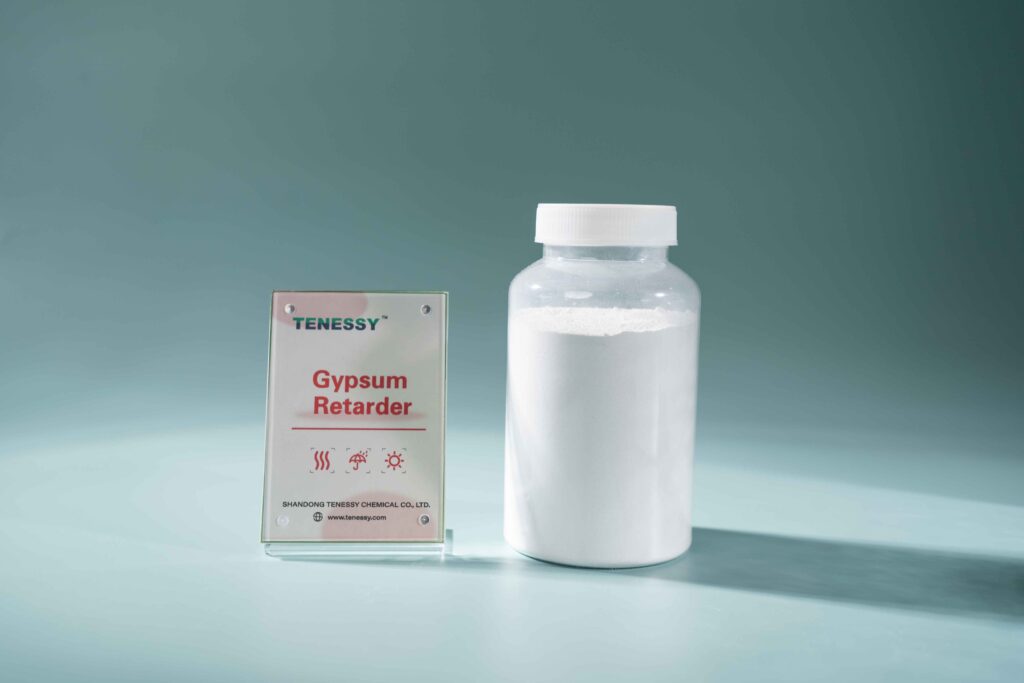
What Is a Gypsum Retarder?
Benefits of Using Gypsum Retarder

1. Extended Working Time
The most important benefit of a gypsum retarder is the extended open time. This allows workers to apply gypsum plaster smoothly, especially on large wall or ceiling surfaces.
With better working time, construction becomes more efficient and less stressful, even under warm or dry conditions.
2. Improved Application Quality
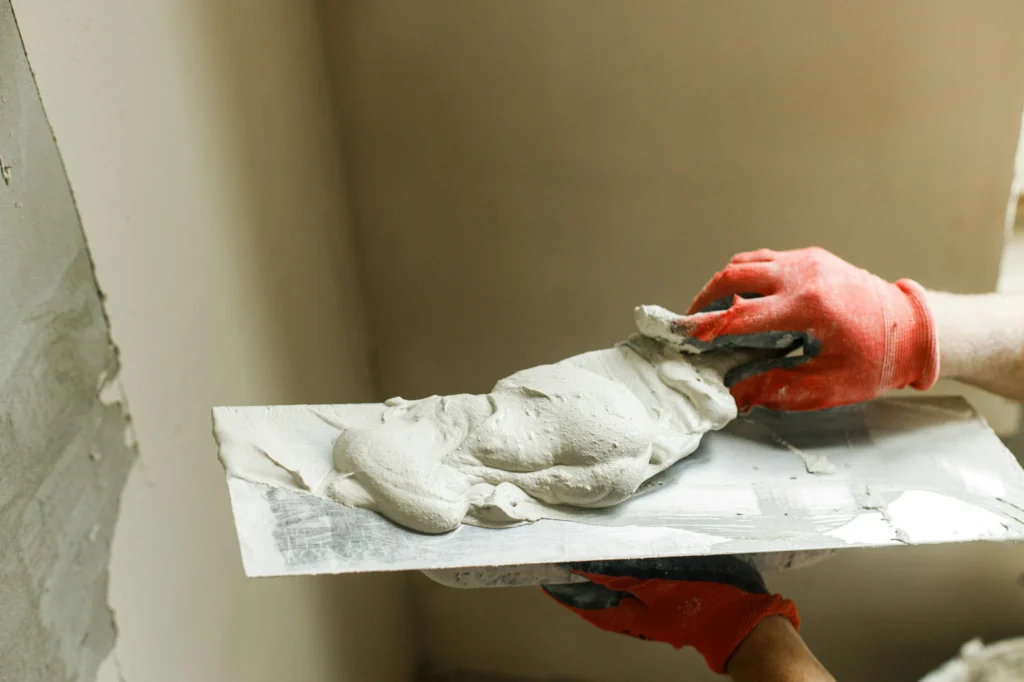
When plaster sets too fast, it becomes difficult to achieve a smooth and even finish. By slowing down the setting process, the retarder helps improve surface smoothness, reduce tool marks, enhance leveling performance and minimize rework and corrections
This leads to a more professional final appearance.
3. Reduced Hydration Heat
Our gypsum retarder helps reduce hydration heat and hydration speed, which improves the overall performance of gypsum plaster. Lower hydration heat contributes to reduced internal stress, lower risk of micro-cracking, more uniform hardening.
This is especially beneficial for thicker plaster layers or prefabricated gypsum products.
4. Maintained Strength Performance
Although the setting time is delayed, the gypsum retarder is designed for high-strength retardation. This means the final hardened plaster maintains its mechanical strength and durability.
There is no negative impact on compressive strength when the retarder is used at the recommended dosage.
5. Low Dosage and High Efficiency
Only a small addition amount is required to achieve effective retardation. This makes the product: cost-effective, easy to dose and control, suitable for both factory production and on-site mixing. The low dosage also minimizes formulation changes and ensures stable performance.
Why Gypsum Plaster Needs a Retarder
In real construction conditions, gypsum plaster is rarely applied under ideal laboratory environments.
Factors such as:
- High ambient temperature
- Large mixing batches
- Manual application methods
- Long transportation or pumping time
can cause gypsum plaster to set too quickly, leading to problems such as:
- Poor workability
- Uneven surfaces
- Cold joints or cracks
- Material waste due to premature hardening
A gypsum retarder helps solve these issues by controlling the hydration speed of gypsum,
giving workers enough time to mix, apply, level, and finish the plaster properly.

Why Gypsum Plaster Needs a Retarder
In real construction conditions, gypsum plaster is rarely applied under ideal laboratory environments. Factors such as:
- High ambient temperature
- Large mixing batches
- Manual application methods
- Long transportation or pumping time
can cause gypsum plaster to set too quickly, leading to problems such as:
- Poor workability
- Uneven surfaces
- Cold joints or cracks
- Material waste due to premature hardening
A gypsum retarder helps solve these issues by controlling the hydration speed of gypsum, giving workers enough time to mix, apply, level, and finish the plaster properly.
Recommended Usage
-
Conducting laboratory or field trials before large-scale use
-
Adjusting dosage based on temperature and application method
-
Garantia de mistura uniforme para um desempenho consistente
Aplicações típicas do Tenessy Gypsum Retarder




Por que escolher nosso retardador de gesso?
- Consistent setting time control
- Alta eficiência com baixa dosagem
- Good compatibility with gypsum plaster
- Improved construction performance and finish quality

