

 English
  Arabic
  German
  French
  Indonesian
  Russian
  Italian
  Czech
Czech  Dutch
Dutch  Finnish
  Turkish
  Greek
Greek  Spanish
  Portuguese
 HEC in Oil Drilling
- Home
- »
- Industries & Applications
- »
- Oil Drilling Solutions
- »
- HEC in Oil Drilling
Hydroxyethyl Cellulose: Efficient Viscosity Control and Fluid Stability for Water-Based Drilling Fluids
Hydroxyethyl Cellulose (HEC) is a widely used polymer in water-based oil drilling fluids. Thanks to its non-ionic nature, good hydration, and stable rheological behavior, HEC provides reliable viscosity control and fluid-loss reduction under demanding drilling conditions.
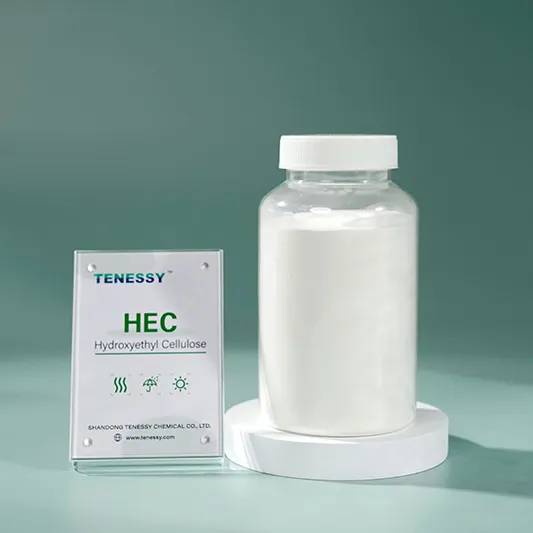
What Is Hydroxyethyl Cellulose?
- A viscosifier
- A thickener
- A fluid-loss control agent
- A cuttings suspension aid
Key Functions of HEC in Oil Drilling

1. Viscosity Control and Rheology Improvement
- Improves rheological properties
- Maintains stable viscosity under shear
- Supports smooth fluid circulation
2. Enhanced Cuttings Transport and Hole Cleaning
- Suspend drill cuttings in the fluid
- Transport cuttings to the surface
- Reduce cuttings settling during pauses
3. Fluid-Loss Reduction and Formation Protection
- Reduces fluid invasion into formations
- Protects productive zones
- Minimizes formation damage
4. Good Salt and pH Tolerance
- Good performance in fresh water and brine
- Stable viscosity across a wide pH range
- Compatibility with common drilling fluid additives
Why HEC Is Used in Oil Drilling Fluids
- Stable and adjustable viscosity
- Improved carrying capacity for drill cuttings
- Reduced filtration loss
- Consistent fluid behavior during circulation

Application Performance Supported by Product Properties
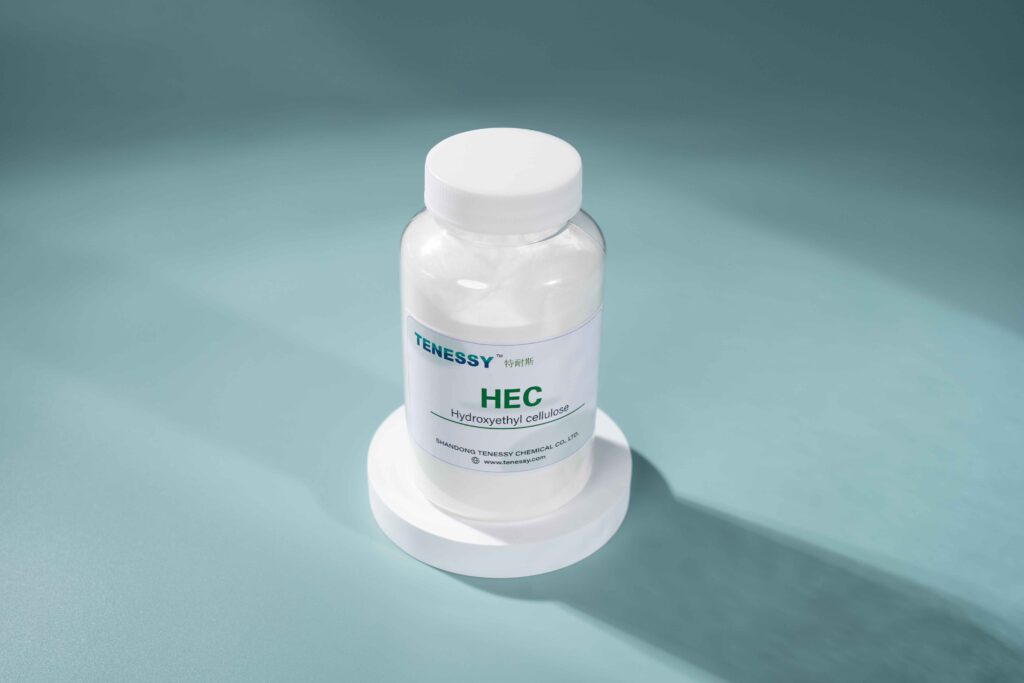
- Appearance: White, free-flowing powder
- Viscosity:
- 300–5000 mPa·s (1% solution, 25°C, Brookfield)
- 300–100,000 mPa·s (2% solution, 20°C, NDJ-1)
- Particle Size: 98% passing 100 mesh
- pH Value: 6.0–8.5
- Moisture Content: ≤5.0%
Recommended Usage in Oil Drilling Fluids
More Typical Applications of HEC
HEC is commonly used in:




Conclusion
Hydroxyethyl Cellulose (HEC) is a proven and effective additive for water-based oil drilling fluids. By improving viscosity, cuttings transport, and fluid-loss control, HEC helps ensure safer drilling, better wellbore stability, and improved operational efficiency.
Our HEC products are designed to meet the real-world demands of oil drilling applications, providing reliable performance, formulation flexibility, and consistent quality.
If you are developing or optimizing oil drilling fluid systems, our team is ready to support you with technical expertise and customized solutions.