English
  Arabic
  German
  French
  Indonesian
  Russian
  Italian
  Czech
Czech  Dutch
Dutch  Finnish
  Turkish
  Greek
Greek  Spanish
  Portuguese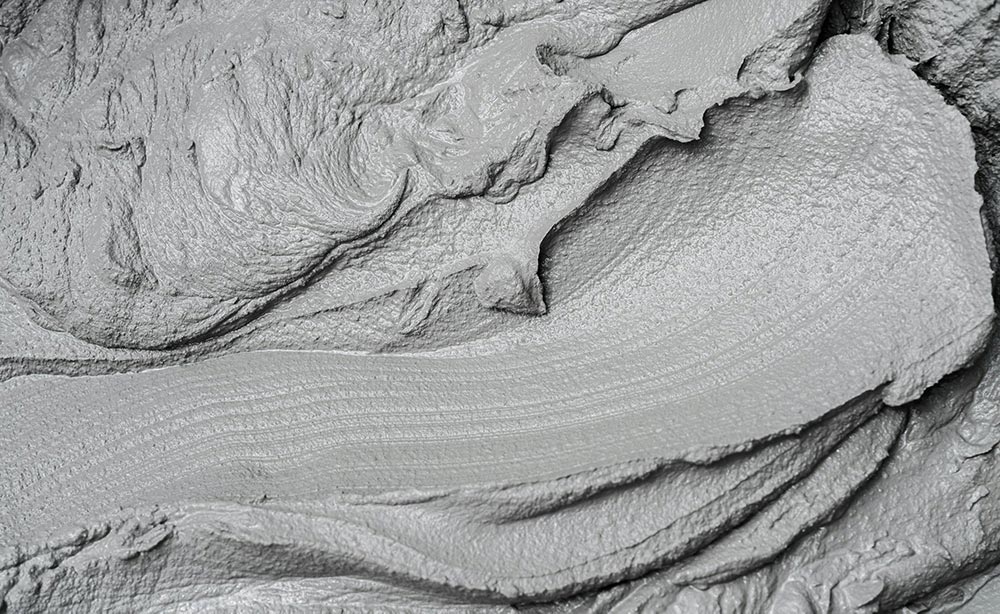
In the world of drymix mortar production, small differences in raw materials can lead to major variations in final product performance. Among all additives, Hydroxypropyl Methylcellulose (HPMC) stands out as one of the most critical functional ingredients. It directly influences water retention, workability, sag resistance, open time, and adhesion strength.
However, selecting the right HPMC grade for your specific drymix mortar formulation is not a one-size-fits-all decision. With dozens of viscosity options, substitution types, and modification degrees available, how do you make the correct choice?
This guide—based on TENESSY’s 15+ years of experience in cellulose ether supply and mortar formulation support—will help you understand the key parameters and make an informed, application-driven decision.
I. Why HPMC Grade Selection Matters in Drymix Mortar
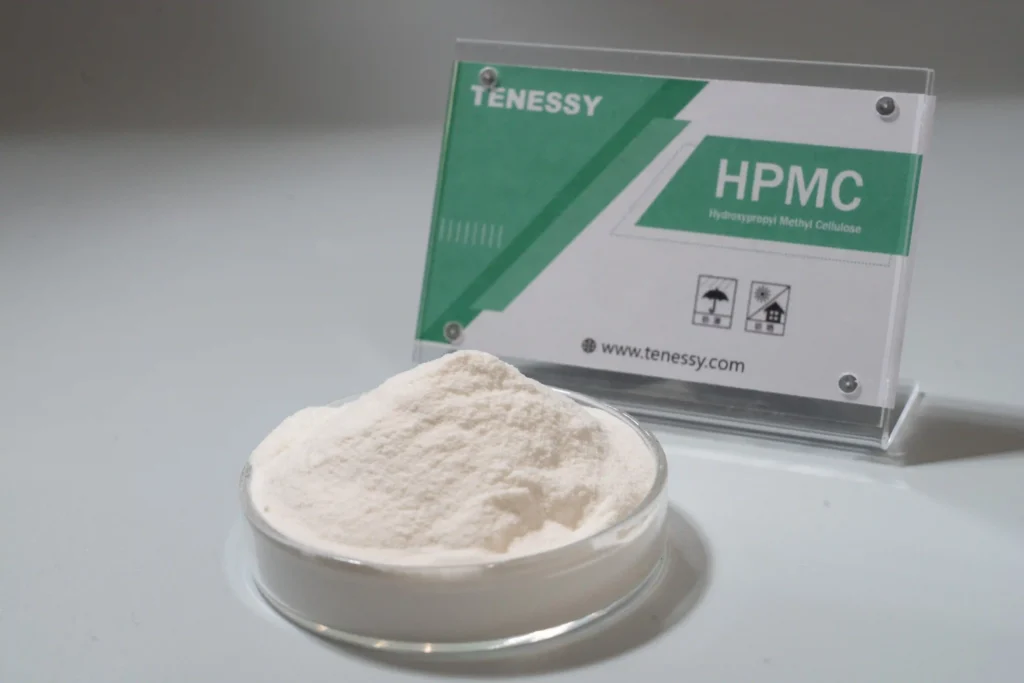
HPMC is not merely a thickener. In drymix mortar, it performs three primary functions:
Water retention – Prevents water from migrating too quickly into the substrate, ensuring proper cement hydration.
Workability improvement – Provides smooth, non-sticky mixing and application properties.
Open time extension – Allows sufficient time for tile positioning or surface leveling before the mortar skins over.
If you choose the wrong HPMC grade, you may face:
Sagging or slipping in thick-layer applications
Short open time for tile adhesives
Poor adhesion strength
Sticky or heavy-feeling mortar
Inconsistent setting and cracking
Thus, understanding HPMC specifications is not a luxury—it is a necessity for mortar producers seeking consistent quality and competitive advantage.
II. Key Parameters for Selecting HPMC in Drymix Mortar
When evaluating HPMC grades for drymix mortar, focus on the following five technical parameters:
1. Viscosity (mPa·s, 2% solution, 20°C)
Viscosity is the most commonly discussed property, but it is also the most misunderstood.
Low viscosity (e.g., 400–2,000 mPa·s):
Suitable for self‑leveling mortars and highly fluid systems
Provides moderate water retention without excessive thickening
Allows rapid air release and good flow
Medium viscosity (e.g., 10,000–40,000 mPa·s):
Ideal for general thin‑bed tile adhesives, skim coats, and plaster mortars
Balanced water retention and workability
Most commonly used range in drymix formulations
High viscosity (e.g., 60,000–100,000+ mPa·s):
Designed for thick‑bed mortars, EIFS adhesives, and textured renders
Maximum water retention and anti‑sag performance
Requires careful mixing to avoid lumps
TENESSY tip: Never rely solely on viscosity. A 75,000 mPa·s grade from one manufacturer may behave differently from another. Always test in your formulation.
2. Degree of Substitution (DS) and Hydroxypropoxy Content (HP)
HPMC is characterized by methoxy (–OCH₃) and hydroxypropoxy (–OCH₂CH(OH)CH₃) substitution.
Higher methoxy content → faster hydration and faster viscosity development
Higher hydroxypropoxy content → better water solubility and thermal gelation resistance
For drymix mortars used in hot climates or cement‑rich systems, an HPMC with higher hydroxypropyl modification is preferred. It prevents viscosity loss at elevated temperatures (thermal gelation), ensuring consistent performance even on warm substrates.
3. Water Retention Rate (%)
Water retention directly affects cement hydration and final bond strength.
Standard grades: 85–92% water retention (suitable for indoor, mild conditions)
High‑retention grades: 93–98% (essential for gypsum‑based mortars, high‑temperature environments, or highly absorbent substrates like aerated concrete)
Gypsum‑based drymix mortars require especially high water retention because gypsum hydrates quickly and loses workability if water is withdrawn too fast.
4. Gel Temperature
Most HPMC grades have a gel point between 55°C and 75°C. When the mortar temperature exceeds this threshold, HPMC precipitates out of solution, causing sudden loss of water retention and workability.
For standard applications, 60–65°C gel temperature is sufficient.
For hot climates or thin‑bed applications on sun‑heated tiles/substrates (temperature can reach 40–50°C+ mortar temperature), choose high‑gel‑temperature HPMC (≥70°C).
5. Particle Size and Dispersion Speed
HPMC added to drymix mortar must disperse quickly without agglomeration.
Surface‑treated (delayed dissolution) grades mix well in cement‑based systems, avoiding “fish eyes” (undissolved gel particles).
Particle size should be >98% passing 100 mesh (150 µm) for uniform distribution.
For large‑scale drymix mortar plants using continuous mixers, fast‑dispersing HPMC grades are critical to prevent uneven spots in the final product.
III. HPMC Selection Guide by Mortar Type
The following practical table summarizes TENESSY’s recommended HPMC parameters for common drymix mortar formulations.
| Mortar Type | Recommended Viscosity (mPa·s) | Water Retention | Key Consideration |
|---|---|---|---|
| Cement‑based tile adhesive (C1/C2) | 15,000 – 40,000 | ≥94% | Open time ≥20 min; anti‑sag for large tiles |
| Exterior plaster / render (cement) | 40,000 – 75,000 | ≥94% | Crack resistance; good adhesion on concrete |
| Gypsum plaster / joint filler | 20,000 – 40,000 | ≥96% | High retention; avoids premature setting |
| Self‑leveling mortar (cement) | 400 – 1,500 | Moderate | Low viscosity; fast air release |
| EIFS adhesive (external insulation) | 60,000 – 100,000 | ≥96% | High water retention + high viscosity |
| Skim coat / putty (powder form) | 35,000 – 50,000 | Moderate‑high | Smooth finish; easy sanding |
| Repair mortar (thick layer) | 50,000 – 75,000 | High | Anti‑sag; good thixotropy |
Note: Values are indicative. Actual selection should be confirmed by laboratory trials with your local raw materials.
IV. Common Mistakes to Avoid When Choosing HPMC
Over the years, TENESSY’s technical team has observed several frequent mistakes:
❌ Mistake 1: Choosing the highest viscosity “just to be safe”
High viscosity does not always mean better performance. In self‑leveling mortars, high viscosity traps air and kills flow. In tile adhesives, excessively high viscosity reduces wetting and decreases bond strength.
❌ Mistake 2: Ignoring the substrate absorbency
On highly absorbent substrates (e.g., red brick, AAC blocks), standard HPMC grades often fail. A high‑water‑retention grade is mandatory.
❌ Mistake 3: Not testing HPMC‑cement compatibility
Some HPMC grades retard cement setting too strongly. Always run a compatibility test with your specific cement type.
❌ Mistake 4: Focusing only on price
Lower‑priced HPMC often comes with inconsistent viscosity, lower purity (higher salt content), or poor gel temperature stability. The cost of field complaints far exceeds the raw material savings.
V. The TENESSY Approach: Supporting Your HPMC Selection
At TENESSY, we do not simply sell HPMC. We provide formulation‑led technical support to help drymix mortar manufacturers succeed.
Our process includes:
Needs analysis – We ask about your mortar type, target market, substrate conditions, and climate.
Sample testing – Free samples of recommended HPMC grades for your internal trials.
Optimization feedback – Our chemists guide you on dosage fine‑tuning
Consistent supply chain – Full traceability and batch‑to‑batch stability.
Conclusion
Choosing the right HPMC grade for your drymix mortar formulation is a strategic technical decision, not a commodity purchase. Viscosity, water retention, gel temperature, and substitution chemistry must all align with your mortar type, climate conditions, and application requirements.
At TENESSY, we combine deep cellulose ether R&D expertise with practical drymix mortar formulation support. Whether you produce cement‑based tile adhesives, gypsum plasters, self‑leveling compounds, or exterior renders, our team can help you select and validate the optimal HPMC grade—efficiently and reliably.