

 English
  Arabic
  German
  French
  Indonesian
  Russian
  Italian
  Czech
Czech  Dutch
Dutch  Finnish
  Turkish
  Greek
Greek  Spanish
  Portuguese
 Cellulose Ether for Masonry Mortar
- Home
- »
- Industries & Applications
- »
- Masonry Mortar
Masonry Mortar
Cellulose Ether is increasingly used in masonry mortars. Its excellent thickening and water retention properties give the mortar better workability, adhesion and crack resistance in construction.
Application of cellulose ether in Masonry Mortar
Five advantages of cellulose ether to improve the performance of masonry mortar.
Enhanced bonding strength
Cellulose ether forms a dense mesh structure in the mortar, which increases the bonding force between the mortar and the masonry surface. The enhanced bonding strength ensures the stability and durability of the building structure, avoids common problems such as hollowing and falling off, and is particularly suitable for the masonry of bricks and concrete blocks.



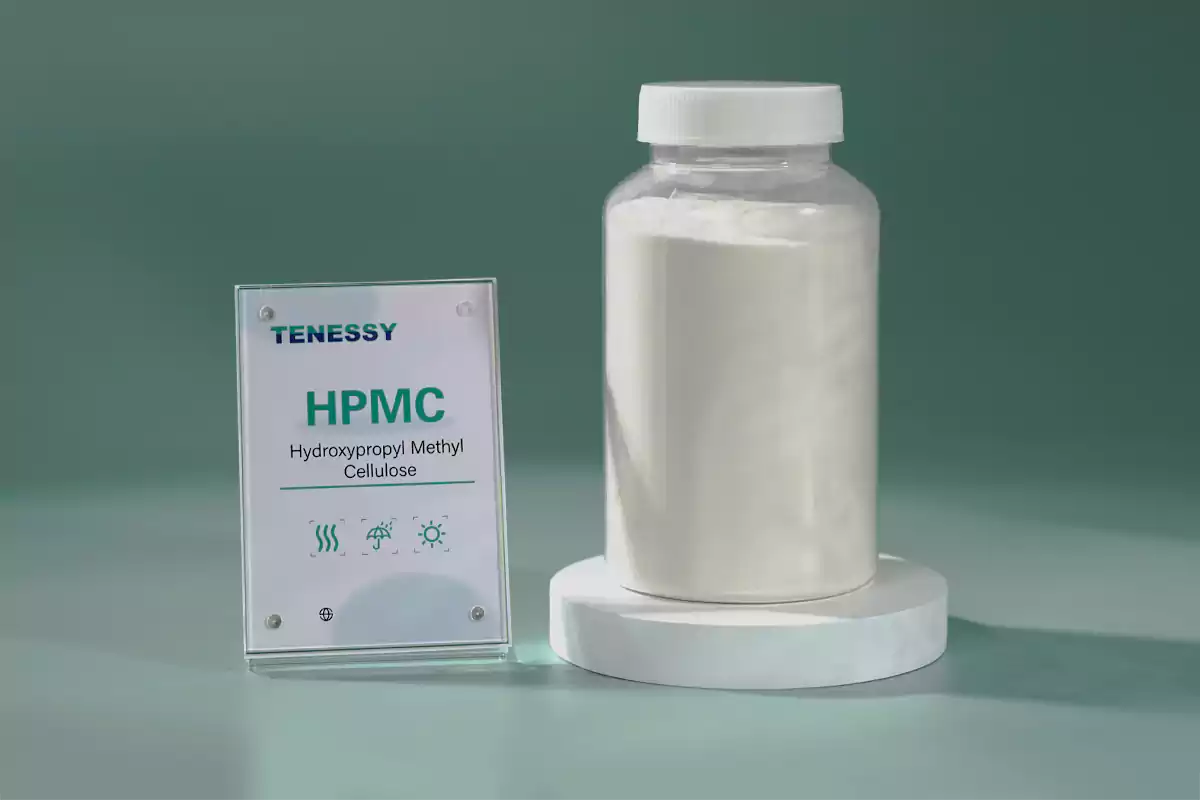
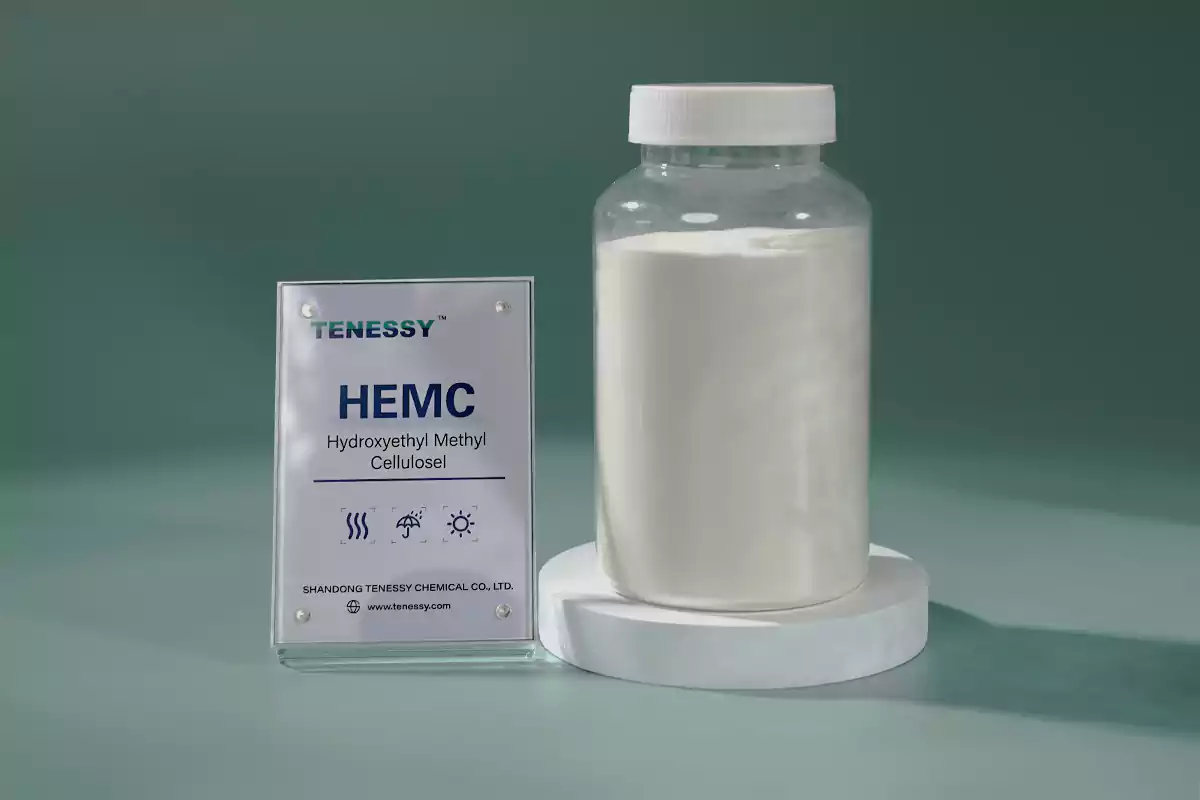
HEMC - NE15HG
Suitable for a variety of dry-mix mortars, board caulking, and tile adhesives.
Frequently Asked Questions (FAQ)
Here are some answers to your questions about cellulose in masonry mortar applications.
Q1: Why can cellulose effectively improve the water retention of masonry mortar?
Cellulose ether has excellent water solubility, which can lock in moisture and reduce water loss, thereby improving the water retention of mortar.
Q2: Can the use of cellulose extend the open time of masonry mortar?
Yes, cellulose ether can extend the open time of mortar, which enables construction workers to better control the construction rhythm, especially suitable for large-scale construction.
Q3: How to choose cellulose of different viscosities in masonry mortar?
The choice of cellulose of different viscosities depends on the purpose of the mortar and the required construction performance. High-viscosity cellulose is suitable for heavy masonry and high adhesion requirements, while medium and low viscosities are suitable for light masonry with higher fluidity requirements.