

 English
  Arabic
  German
  French
  Indonesian
  Russian
  Italian
  Czech
Czech  Dutch
Dutch  Finnish
  Turkish
  Greek
Greek  Spanish
  Portuguese
 HEC for Drymix Mortar
- Home
- »
- Industries & Applications
- »
- Drymix Mortar
- »
- HEC for Drymix Mortar
Hydroxyethyl Cellulose for Drymix Mortar: Improving Application Performance
Drymix mortar is widely used in modern construction for applications such as tile adhesives, plaster, wall putty, repair mortar, and self-leveling compounds. Compared with traditional on-site mixing, drymix mortar offers better quality control, consistent performance, and higher construction efficiency. However, to achieve stable performance after water is added on site, functional additives are essential.
Hydroxyethyl Cellulose (HEC) is one of the most important additives used in drymix mortar. Thanks to its excellent thickening and water-retention properties, HEC helps mortar achieve smooth application, good adhesion, and reliable performance under different construction conditions.
What Is Hydroxyethyl Cellulose?
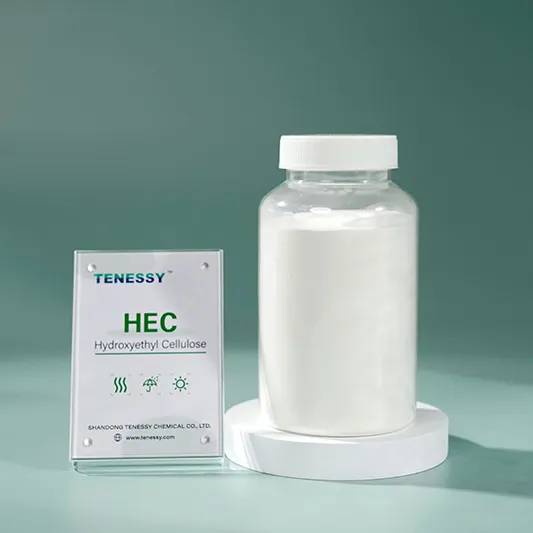
Hydroxyethyl Cellulose (HEC) is a non-ionic, water-soluble cellulose ether made from natural cellulose. It appears as a white, free-flowing powder and easily dissolves in water to form a stable and transparent solution.
Because it is non-ionic, HEC shows good compatibility with cement, gypsum, lime, and other mortar components, making it suitable for a wide range of drymix mortar formulations.
Key Functions of HEC in Drymix Mortar

1. Excellent Water Retention
One of the most important roles of HEC in drymix mortar is water retention. During application, cement-based materials require sufficient water to complete hydration. Without proper water retention, moisture can be quickly absorbed by the substrate or evaporate, leading to:
- Poor strength development
- Reduced adhesion
- Cracking or powdering
HEC forms a fine network in the mortar, slowing down water loss and keeping enough moisture inside the mix. This ensures more complete cement hydration and improves both early and long-term performance.
2. Improved Workability and Consistency
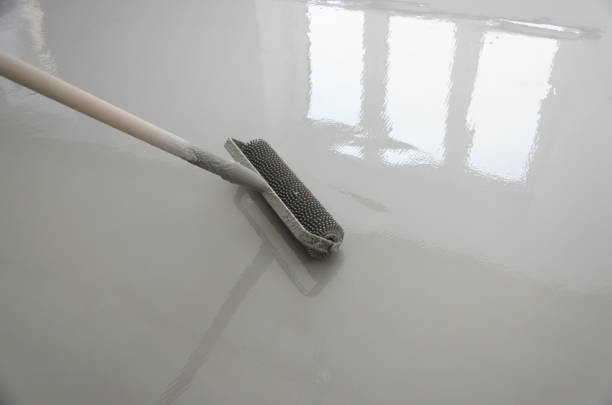
HEC significantly improves the workability of drymix mortar. After adding water, the mortar becomes smoother, creamier, and easier to spread. This is especially important for manual application such as troweling or plastering.
With proper viscosity selection, HEC helps:
- Reduce dragging and tearing during application
- Improve leveling and surface finish
- Make the mortar easier to control for workers
This leads to higher construction efficiency and better visual results.
3. Better Anti-Sag and Shape Stability
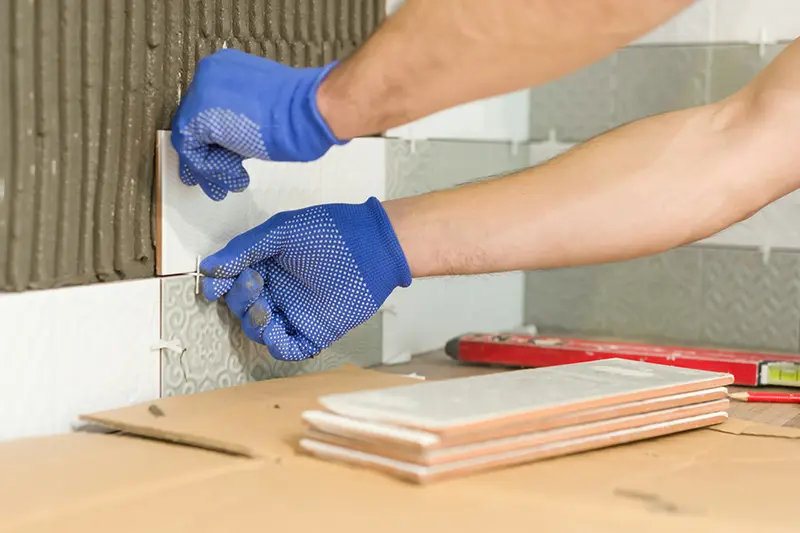
In vertical applications such as tile adhesives or wall plaster, sagging is a common problem. HEC increases the viscosity and yield stress of mortar, helping it stay in place after application.
This anti-sag property allows:
- Thicker application in one pass
- Better tile positioning
- Reduced material waste
As a result, HEC contributes to both performance and cost efficiency on site.
4. Enhanced Adhesion and Open Time
By improving water retention and consistency, HEC also helps extend the open time of drymix mortar. Open time refers to the period during which the mortar remains workable and adhesive after application.
Longer open time allows:
- Easier tile adjustment
- More flexible construction under hot or dry conditions
- Better bonding strength between mortar and substrate
This is particularly important in tile adhesives, repair mortars, and exterior applications.
Usage and Dosage
HEC is typically added during dry mixing with other powder components. The recommended dosage usually ranges from 0.1% to 0.5% of the total dry mix, depending on the application type, desired viscosity, and other additives used.
For best results:
• Select the appropriate viscosity grade for your formulation
• Ensure uniform mixing to avoid lump formation
• Adjust dosage based on site conditions and performance requirements
Typical Applications of HEC in Drymix Mortar
HEC is widely used in many types of drymix mortar, including:



Conclusion
HEC plays a vital role in improving the performance of drymix mortar. By enhancing water retention, workability, adhesion, and anti-sag properties, it helps ensure consistent quality and easier application on site.
For manufacturers and formulators of drymix mortar, choosing the right HEC grade means better product stability, higher customer satisfaction, and improved construction efficiency. With its reliable performance and wide compatibility, HEC remains an essential additive in modern drymix mortar formulations.

