

 English
  Arabic
  German
  French
  Indonesian
  Russian
  Italian
  Czech
Czech  Dutch
Dutch  Finnish
  Turkish
  Greek
Greek  Spanish
  Portuguese
 HPMC: High-Performance Additive in Ceramic Processing
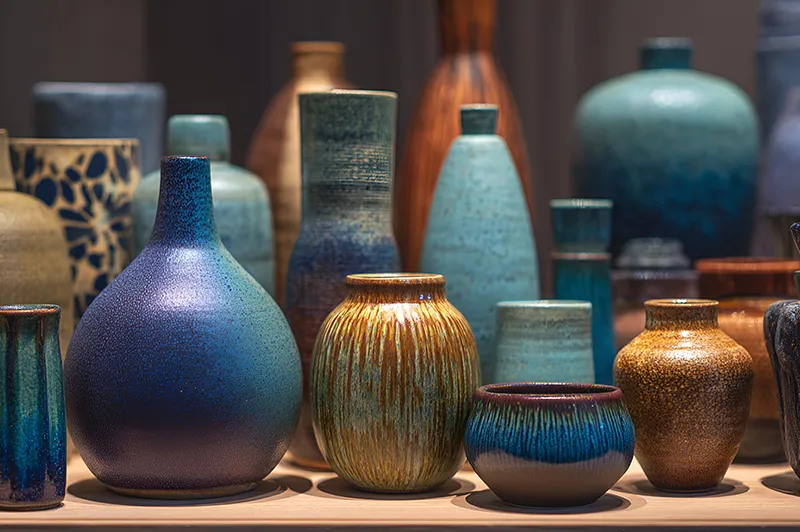
In ceramic production, precise process control directly determines the quality and yield of the final product. HPMC (Hydroxypropyl Methylcellulose), as a key functional additive, is providing multidimensional and systematic solutions for modern ceramic manufacturing with its unique technical properties.
High Viscosity vs Low Viscosity Polyanionic Cellulose: Key Application Differences in Drilling Fluids, Coatings, and Food

Polyanionic Cellulose (PAC), as a versatile water-soluble polymer, has a viscosity grade selection that directly affects the performance, production efficiency, and economic viability of the final product.
How Do HPMC, RDP and Polypropylene Fiber Work in Thermal Insulation Mortar?

This article provides a clear comparison between sand-based and sand-free thermal insulation mortars and explains how these three additives function individually and synergistically, offering practical guidance for manufacturers aiming to improve product performance and consistency.
The Key Role of HPMC and Retarders in Gypsum Formulations: Optimization and Application
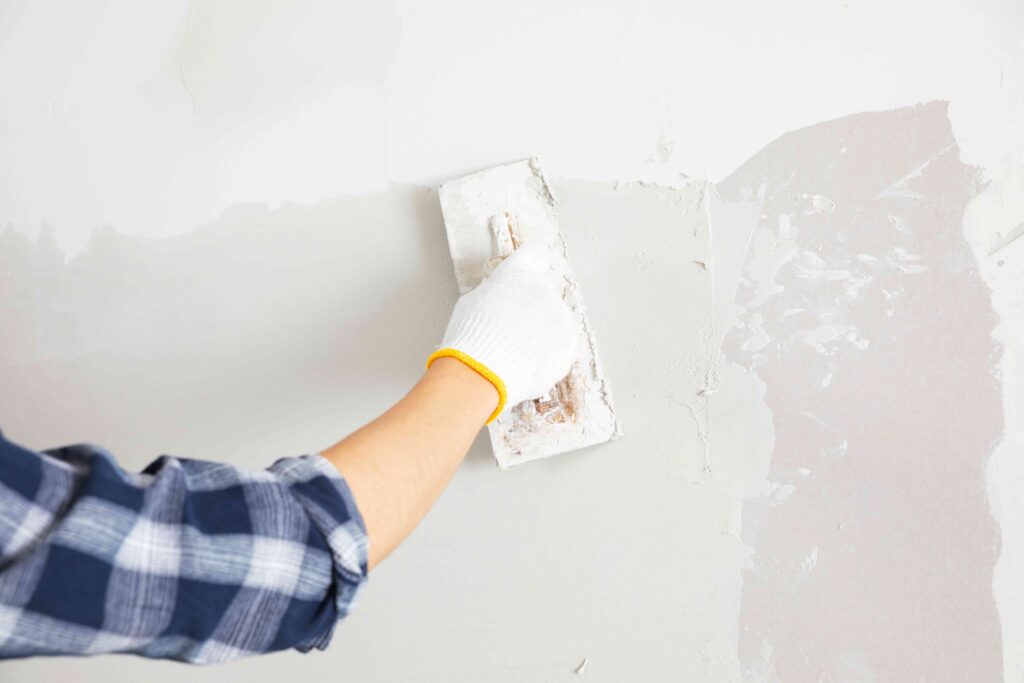
In modern construction, gypsum-based materials have become indispensable due to their efficiency, smooth finish, and sustainability. From interior wall plasters to self-leveling compounds and joint fillers, gypsum products are widely used for both residential and commercial projects.
The Key Differences Between Polycarboxylate Superplasticizers and Traditional High-Range Water Reducers
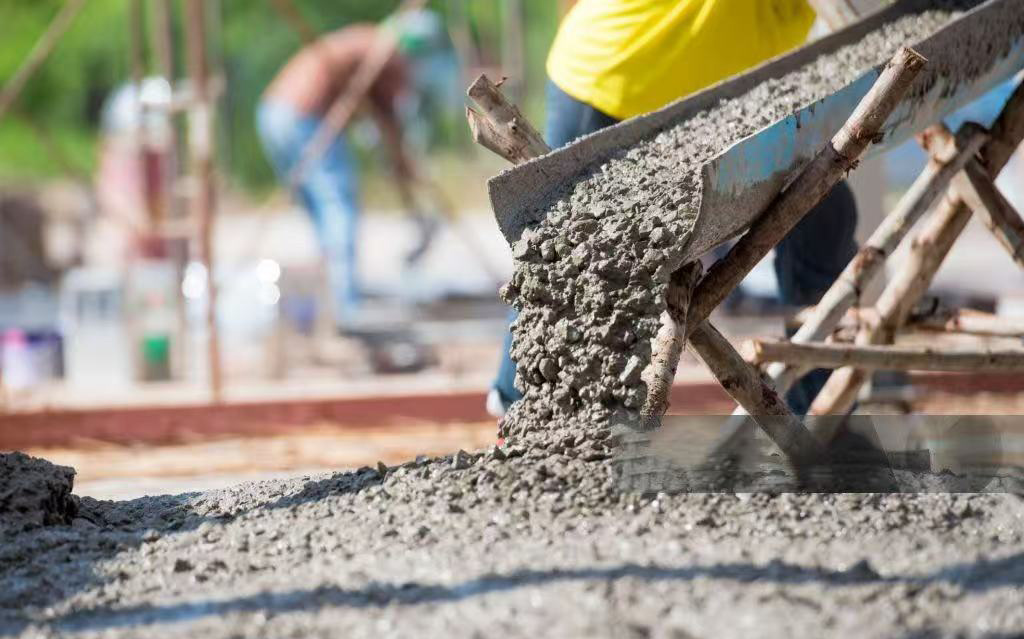
Among all categories of superplasticizers, Polycarboxylate Ether (PCE) Superplasticizers have emerged as the most advanced and widely adopted generation.
Putty Powder Bubbling and Cracking? The Key Lies in Deep Optimization of Cellulose Ether Formula
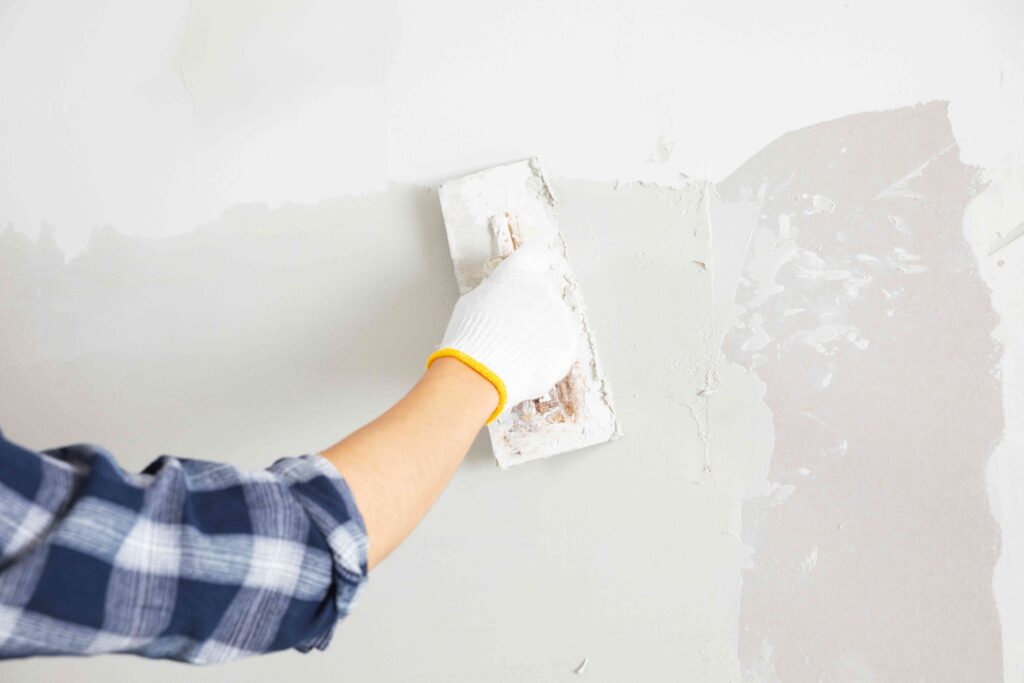
Bubbling and cracking after putty powder application are common stubborn issues that trouble many painters and homeowners. These problems not only affect wall aesthetics but may also indicate deep quality hazards.
The Future of Waterproof Mortar: How Advanced Additives Create Superior Water-Resistant Performance
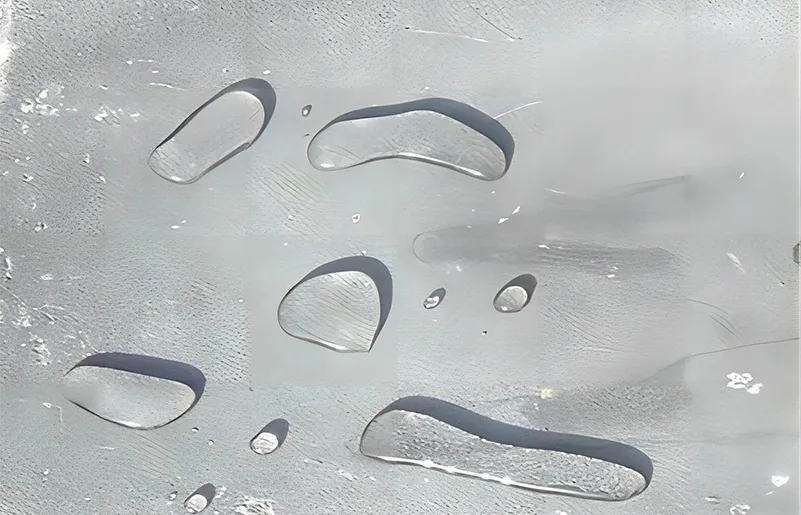
Waterproof mortar has become an essential material in modern construction, playing a critical role in ensuring structural durability, safety, and long-term performance. In many regions of the world, buildings are exposed to harsh environmental conditions such as heavy rainfall, high humidity, fluctuating temperatures, and groundwater intrusion.
Synergistic Effects of Starch Ether in Gypsum-Based Mortars

In the field of building dry-mix mortars, gypsum-based mortars are widely used due to their advantages such as fast setting, fire resistance, thermal insulation, and moisture-regulating capacity. However, they often face issues during construction like poor workability, susceptibility to sagging, and insufficient water retention leading to cracking.
Advantages of Gypsum-Based Self-Leveling Mortar and How to Achieve Good Construction Results

Self-leveling gypsum, also known as gypsum self-leveling mortar or simply gypsum self-leveling, is a dry powder material specifically used for indoor floor leveling. It is composed of high-strength gypsum, aggregates, and various building chemical additives that are configured and mixed uniformly in a factory.
Tenessy® Cellulose Ether: Redefining the Stability and Sensory Experience in Cosmetics and Toiletries Formulations

In the world of formulations that consumers never see, there is a “smart molecule” derived from natural fibers, quietly driving skincare products to be more skin-friendly, hair care products to be more stable, and makeup to last longer. It is cellulose ether — the essential foundation in modern cosmetics and toiletries formulations.

