Dutch
Dutch  English
  Arabic
  German
  French
  Indonesian
  Russian
  Italian
  Czech
Czech  Finnish
  Turkish
  Greek
Greek  Spanish
  Portuguese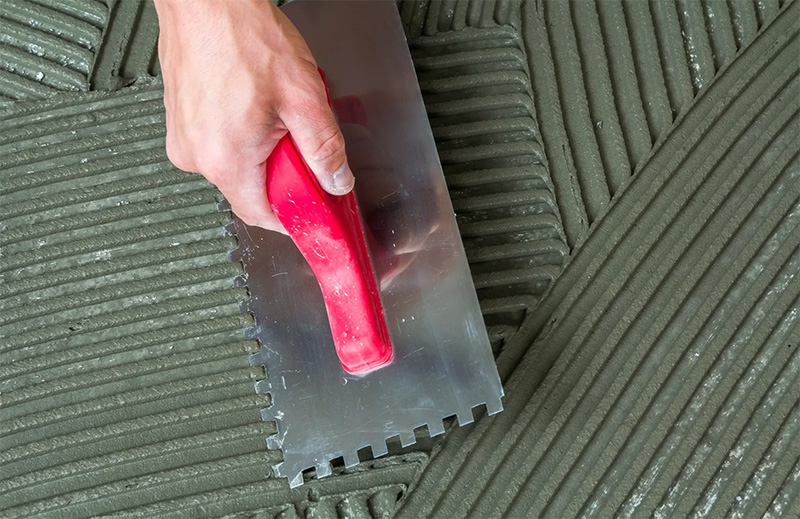
Inleiding
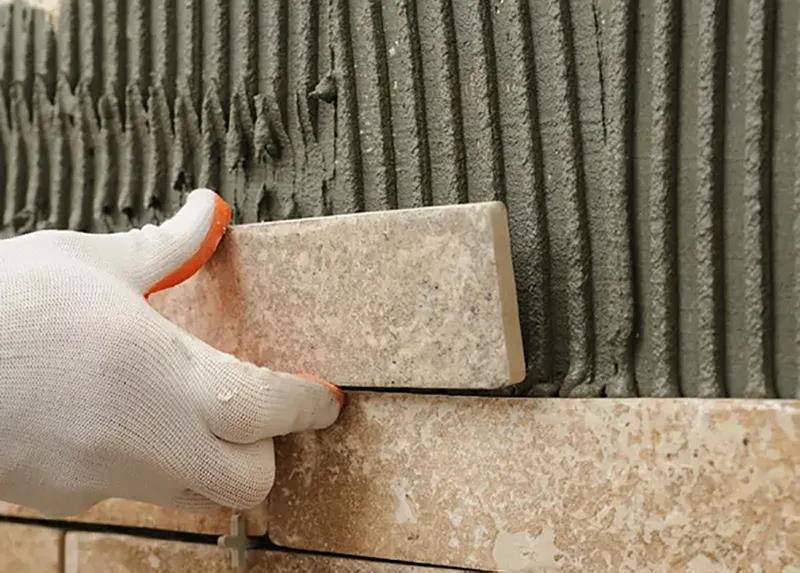
In moderne architectonische decoratietechniek, tegellijmAls kernmateriaal voor de installatie van tegels bepaalt dit direct de veiligheid en duurzaamheid van het bekledingssysteem. Met de vooruitgang van de bouwmaterialenwetenschap is het gebruik van additieven een cruciaal middel geworden om de prestaties van tegellijmen te verbeteren. Hydroxypropylmethylcellulose (HPMC), een multifunctioneel polymeeradditief, speelt een onvervangbare rol in tegellijmformules. Dit artikel gaat in op het complexe mechanisme waarmee de HPMC-dosering de hechtsterkte van tegellijm beïnvloedt en biedt een theoretische basis en praktische richtlijnen voor het optimaliseren van tegellijmformules aan de hand van wetenschappelijke gegevens en praktische toepassingsanalyses.
Mechanisme van HPMC in tegellijm
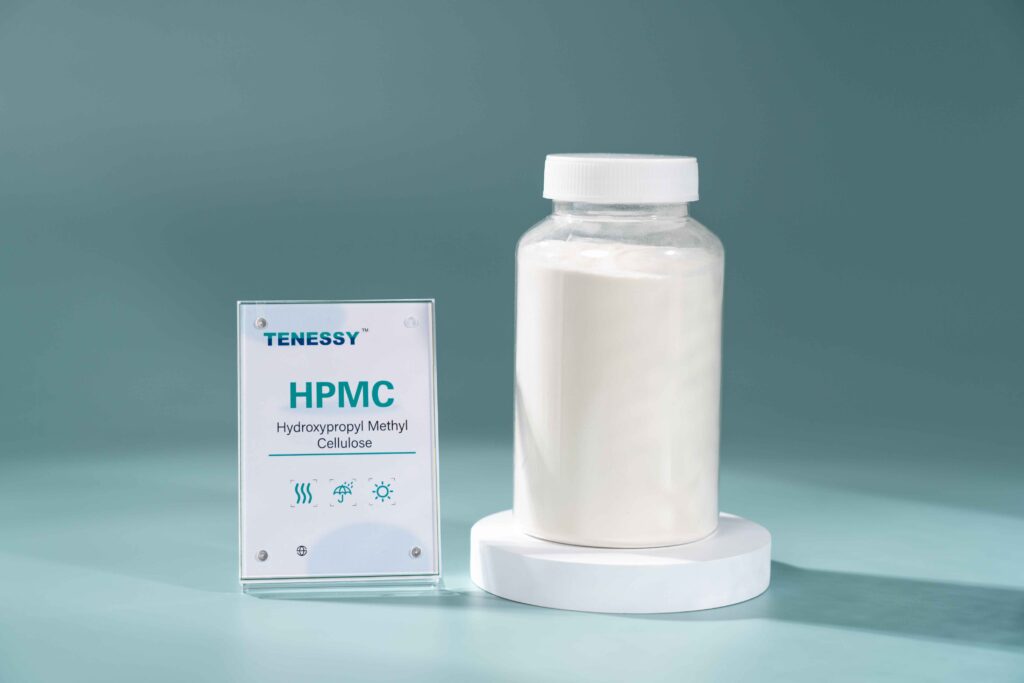
Hydroxypropylmethylcellulose (HPMC) is een halfsynthetische, niet-ionische cellulose-ether die wordt verkregen door chemische modificatie van natuurlijke cellulose. Binnen het tegellijmsysteem heeft HPMC voornamelijk de volgende functies:
Water vasthouden: HPMC-moleculen bevatten talrijke hydrofiele groepen die vrije watermoleculen effectief adsorberen, waardoor de migratie van water in poreuze substraten wordt vertraagd. Dit zorgt voor voldoende tijd voor volledige hydratatie van het cement, waardoor de dichtheid en sterkte van de cementgebonden matrix toenemen.
Verdikkende en anti-verzakkende eigenschappen: HPMC kan een driedimensionale netwerkstructuur vormen in waterige oplossingen, waardoor de viscositeit van de pasta aanzienlijk toeneemt. Dit zorgt voor uitstekende antislipeigenschappen in de natte mortel, waardoor tegels niet doorzakken tijdens het plaatsen op verticale oppervlakken en de bouwnauwkeurigheid gegarandeerd is.
Verbeterde verwerkbaarheid: De juiste toevoeging van HPMC verlengt de open tijd (aanpassingstijd) van de tegellijm en verbetert de smeerbaarheid en gladheid van de pasta, waardoor het aanbrengen gemakkelijker en efficiënter wordt.
Verbeterde cohesie: HPMC heeft zelf een bepaald bindend vermogen, waardoor de binding tussen de interne deeltjes van de mortel wordt versterkt en er minder krimpscheuren ontstaan.
Ⅲ. Het invloedspatroon van HPMC-dosering op de hechtsterkte
1. Lage doseringswaaier (0.1% - 0.3%)
Binnen dit bereik biedt HPMC voornamelijk basiswaterretentie, maar het effect is beperkt:
Sterkte van de hechting: De 28-daagse treksterkte is meestal 0,8 - 1,0 MPa.
Analyse van het mechanisme: Onvoldoende waterretentie leidt tot onvolledige hydratatie van cement, vooral op poreuze ondergronden waar snel waterverlies de sterkteontwikkeling ernstig beïnvloedt.
Verwerkbaarheid: Korte open tijd (meestal 15-20 minuten), gemiddeld antislipvermogen.
Toepasselijke scenario's: Alleen geschikt voor tijdelijke projecten met lage eisen of op extreem dichte ondergronden.
2. Optimaal prestatiebereik (0,3% - 0,5%)
Dit is het favoriete "gouden bereik" voor de meeste tegellijmformules:
Piekbindingssterkte: De 28-daagse treksterkte kan 1,2 - 1,5 MPa bereiken, wat een toename van 30%-50% betekent in vergelijking met een controlegroep zonder HPMC.
Werkingsmechanisme:
De waterretentie kan 95% overschrijden, wat een grondige hydratatie van het cement garandeert.
Vormt een geschikte driedimensionale netwerkstructuur en verbetert zo de cohesie van de pasta.
Optimaliseert de poriënstructuur van de cementgebonden matrix, waardoor het aandeel schadelijke poriën afneemt.
Experimentele gegevens: Onderzoek toont aan dat wanneer de HPMC-dosering 0,4% is, de hechtsterkte van tegellijm zijn maximale waarde bereikt over verschillende substraten, met een sterktebehoud na onderdompeling van meer dan 75%.
Verwerkbaarheid: Open tijd is 25-35 minuten, uitstekende antislip prestaties en goede applicatie gladheid.
3. Hoge doseringswaaier (0.5% - 0.8%)
Boven het optimale bereik vertonen de prestaties een omslagpunt:
Verandering in verbindingssterkte: De sterkte begint af te nemen wanneer de dosering hoger wordt dan 0,5%; bij 0,8% kan de sterkte dalen tot onder 1,0 MPa.
Negatief effectmechanisme:
Overmatig indikken bemoeilijkt het mengen en introduceert overmatige luchtbellen die spanningsconcentratiepunten creëren.
Een te lange waterretentietijd vertraagt de krachtontwikkeling, vooral de vroege kracht.
Een hoge viscositeit belemmert het dicht opeenpakken van cementdeeltjes, wat de dichtheid van de verharde matrix beïnvloedt.
Andere kwesties: Aanzienlijke kostenstijging, mogelijke toename van droogkrimp en mogelijk verminderde bevochtigbaarheid op bepaalde substraten.
Ⅳ. Uitgebreide beschouwing van invloedsfactoren
1. Substraatkenmerken
Substraten met hoge absorptie (bijv. cellenbeton, keramische platen): Een relatief hogere dosering van 0,4% - 0,5% wordt aanbevolen om snel waterverlies tegen te gaan.
Substraten met lage absorptie (bijv. bestaande tegels, dicht beton): 0,3% - 0,4% is voldoende; een teveel kan de bevochtiging en hechting negatief beïnvloeden.
2. Milieuomstandigheden
Omgevingen met hoge temperaturen en lage vochtigheid: Verhoog de dosering met 0,1% - 0,2% om waterverdamping tegen te gaan.
Omgevingen met lage temperaturen en hoge vochtigheid: Verlaag de dosering een beetje om overmatige vertraging van de setting te voorkomen.
3. Cementsoort en -kwaliteit
De minerale samenstelling en de fijnheid van verschillende cementen beïnvloeden de vraag naar water en de hydratatiesnelheid. De juiste verhouding moet proefondervindelijk worden vastgesteld. Gewoon portlandcement vereist doorgaans een iets hogere HPMC-dosering in vergelijking met cement met vroege sterkte.
4. Synergetische effecten met andere additieven
In praktische formules wordt HPMC vaak gebruikt in combinatie met de volgende additieven:
Herdispergeerbaar polymeerpoeder (RDP): De twee hebben een synergetisch versterkend effect, maar de doseringsverhouding moet in balans zijn.
Cellulose-ether : HPMC van verschillende viscositeitsklassen is in verschillende mate gevoelig voor dosering.
Water Reducers: Kan de waterbehoefte van het systeem veranderen, wat de HPMC-prestaties beïnvloedt.
Industriestandaarden en wettelijke vereisten
Volgens de Chinese Building Materials Industry Standard JC/T 547-2017 "Kleefstoffen voor keramische tegels":
C1 Grade Tegellijm: Minimaal 0,5 MPa treksterkte.
C2 Grade Tegellijm: Minimaal 1,0 MPa treksterkte.
Bijkomende vereisten (bv. na onderdompeling in water, thermische veroudering) stellen hogere eisen aan de waterretentie en de stabiliteit van de hechting.
Een rationeel ontworpen HPMC-dosering moet ervoor zorgen dat het product niet alleen voldoet aan de basisnormen, maar ook stabiel blijft presteren onder de huidige complexe omstandigheden.
Ⅵ. Conclusie
De invloed van HPMC-dosering op de hechtsterkte van tegellijm vertoont een duidelijk niet-lineair verband van "eerst toenemend, dan afnemend". Een juiste toevoeging (0,3% - 0,5%) kan de totale prestatie van tegellijm aanzienlijk verbeteren, terwijl afwijking van het optimale bereik kan leiden tot prestatievermindering of kosteninefficiëntie. Bij praktische toepassingen moet de optimale dosering voor een specifieke formulering worden bepaald door systematische experimenten, waarbij de balans tussen substraatkenmerken, omgevingsomstandigheden, kostenbeheersing en prestatie-eisen uitgebreid in overweging moet worden genomen.
Met de vooruitgang van de bouwmateriaalwetenschap en de toenemende eisen in de bouw zal een beter begrip en precieze toepassing van het mechanisme van HPMC een belangrijk technisch aspect worden bij het verbeteren van de tegellijmkwaliteit en het garanderen van de veiligheid en betrouwbaarheid op lange termijn van architecturale decoratieprojecten. Het wordt aanbevolen dat fabrikanten wetenschappelijke formuleringsontwikkelingssystemen opzetten en dat bouwpartijen de productinstructies strikt opvolgen, om zo gezamenlijk technologische vooruitgang en kwaliteitsverbetering in de industrie te bevorderen.