

 English
  Arabic
  German
  French
  Indonesian
  Russian
  Italian
  Czech
Czech  Dutch
Dutch  Finnish
  Turkish
  Greek
Greek  Spanish
  Portuguese
 Analysis of the Role of Polyanionic Cellulose in Petroleum Drilling

In petroleum drilling engineering, drilling fluid serves as the “blood of drilling,” and its performance directly determines drilling efficiency, wellbore stability, and downhole safety.
TENESSY Recommended Formulations for Different Strength Grades of Tile Adhesive
-1024x683.jpg)
TENESSY tile adhesive formulations are based on P.O 42.5 Ordinary Portland Cement as the core binder, combined with graded quartz sand and TENESSY proprietary polymer additive systems. Strictly aligned with industry standards, the formulations cover the four mainstream strength grades: C1, C1T, C2, and C2T.
Mechanism of Action of HPMC in Tile Adhesives and Its Effect on Bonding Performance Enhancement
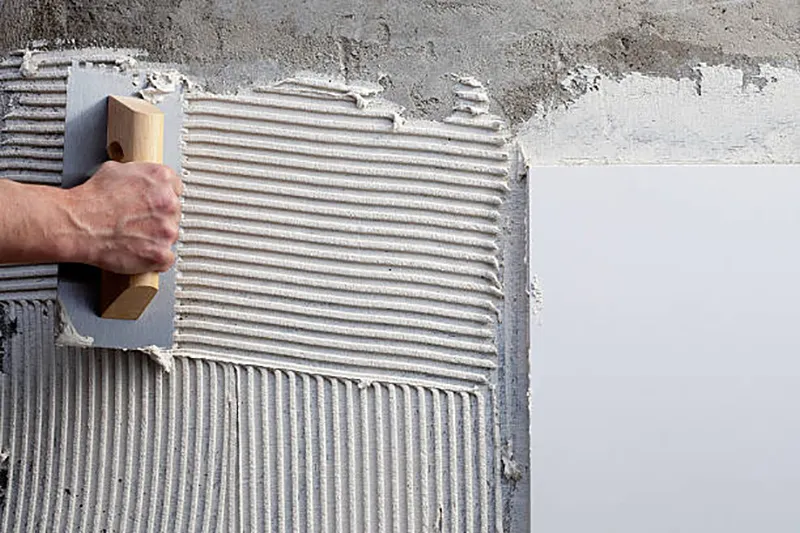
Hydroxypropyl Methylcellulose (HPMC) is an indispensable core functional additive in tile adhesive formulations. It is a non-ionic water-soluble cellulose ether produced from refined cotton through alkalization and etherification. HPMC offers excellent water retention, thickening ability, film-forming properties, and rheology modification.
The Effect of Redispersible Polymer Powder on Mortar Hardening
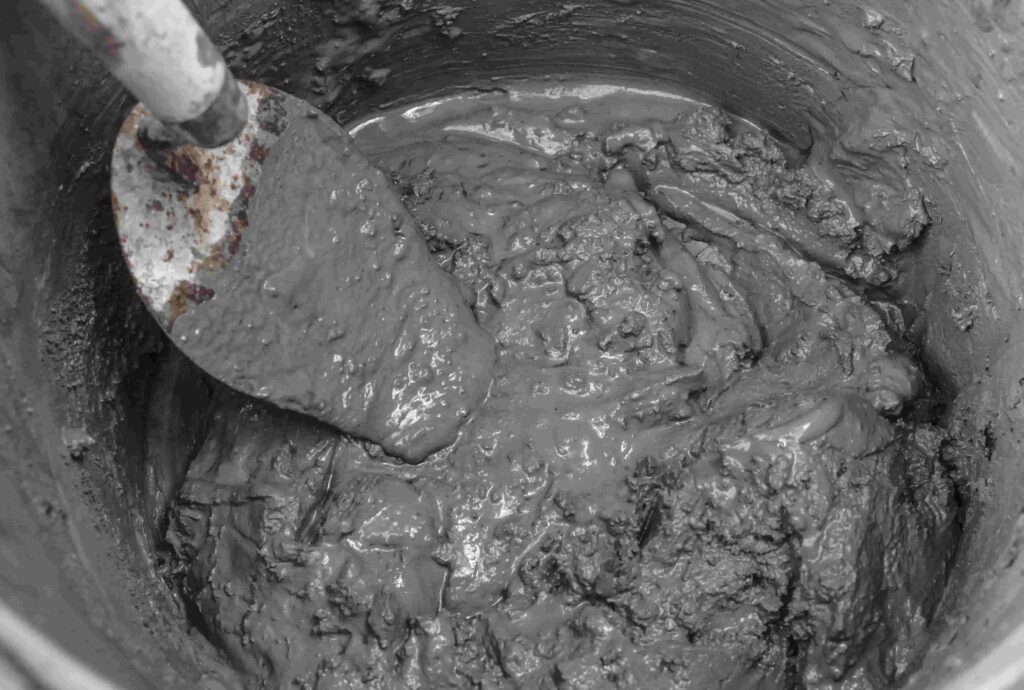
In modern dry-mix mortar systems, Redispersible Polymer Powder (RDP) has become a key modifier for improving overall material performance. As the construction industry continues to demand better crack resistance, durability, and workability, traditional cement increasingly shows limitations such as brittleness, low flexibility, and insufficient adhesion.
Polycarboxylate Superplasticizer for Ultra-High Performance Concrete (UHPC)

Ultra-High Performance Concrete (UHPC) represents the most advanced generation of cement-based materials, characterized by exceptional compressive strength, superior durability, and outstanding workability. Achieving these properties requires highly optimized mix design and advanced chemical admixtures. Among them, Polycarboxylate Superplasticizer (PCE) plays a decisive role.
The Impact of HPMC Dosage on the Bonding Strength of Tile Adhesive: The Key Role of Scientific Proportioning
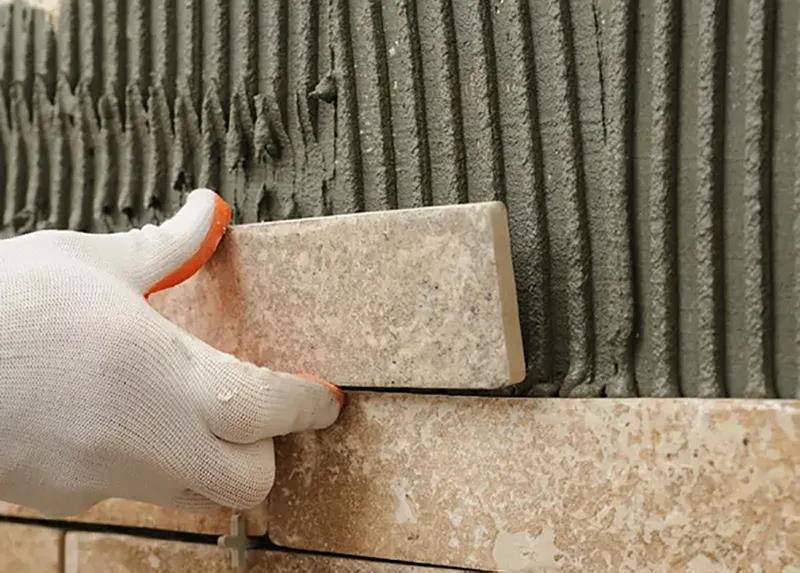
In modern architectural decoration engineering, tile adhesive, as the core material for tile installation, directly determines the safety and durability of the cladding system. With the advancement of building material science, the use of additives has become a crucial means of improving the performance of tile adhesives.
The Profound Impact of Redispersible Polymer Powder on Mortar Hardening

This article will systematically elaborate on its mechanism of action, the multidimensional enhancement of the hardening process and final performance, demonstrating its outstanding value in modern construction.
CMC in Cat Litter: An Innovative Material Enhancing Pet Life Quality
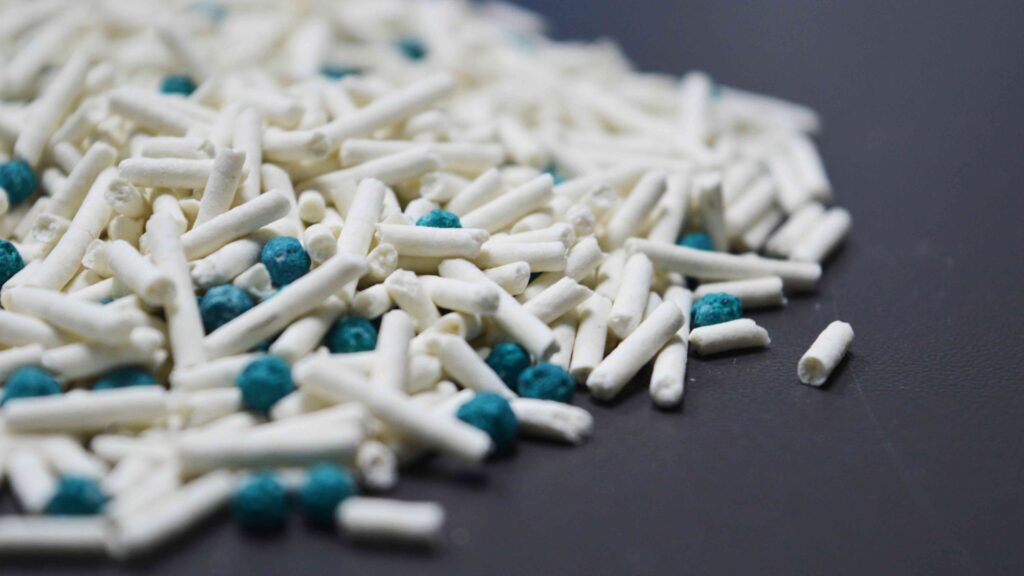
In recent years, a material called CMC (sodium carboxymethyl cellulose) has quietly entered the cat litter field, bringing about delightful changes. This article will delve into the application of CMC in cat litter, analyzing how it enhances the feline toileting experience and home cleaning convenience.
Insulation and Decorative Integrated Panels: Redispersible Polymer Powder Ensures Firm Interlayer Bonding

In the coatings industry, the primary functions of HEC include: providing excellent rheological properties for application, preventing pigment settling, improving storage stability, extending open time, and controlling splashing and sagging.
Hydroxyethyl Cellulose (HEC) in Coatings

In the coatings industry, the primary functions of HEC include: providing excellent rheological properties for application, preventing pigment settling, improving storage stability, extending open time, and controlling splashing and sagging.

