Dutch
Dutch  English
  Arabic
  German
  French
  Indonesian
  Russian
  Italian
  Czech
Czech  Finnish
  Turkish
  Greek
Greek  Spanish
  Portuguese
Inleiding
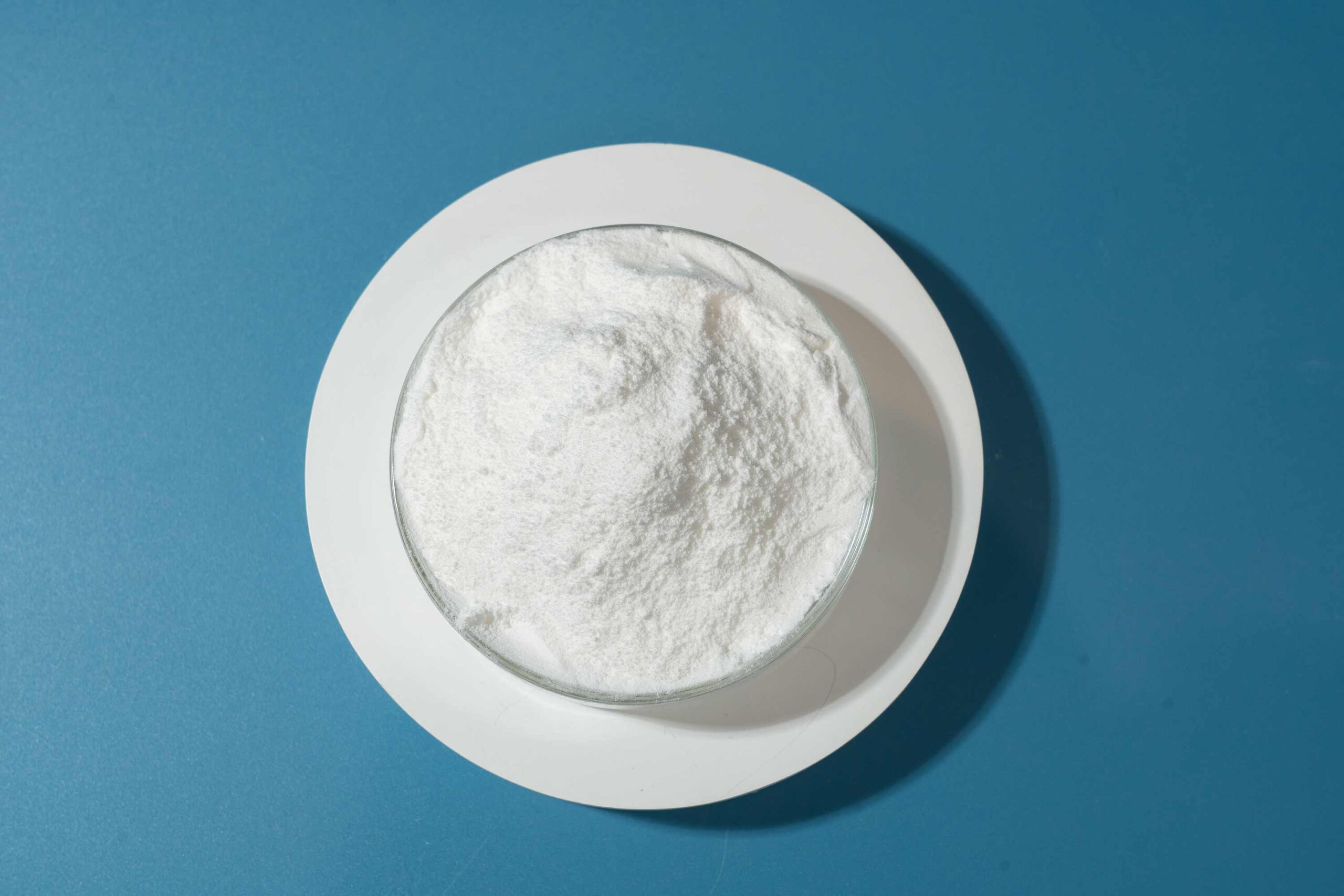
In de droge mortel industry, redispergeerbaar polymeerpoeder (RDP) plays an essential role. However, when the application scenario extends from interior to exterior, or from dry conditions to high-humidity or even long-term water-immersion environments, standard RDP types often fall short. At this point, water-resistant redispersible polymer powder becomes the core functional material for ensuring project durability and safety.
Given the wide variety of products on the market with uneven performance, how do you select the right water-resistant RDP? This article provides a practical, application-oriented guide based on formulation logic, performance verification methods, and cost-benefit balance. Centered around the three high-traffic keywords—water-resistant adhesive strength, flexibility adaptability, and construction workability—this guide helps you avoid material-selection pitfalls and enhance your product competitiveness.
I. Why is "water-resistant" needed?
Before diving into the selection guide, we must first clarify a fundamental question: Why does ordinary RDP fail when exposed to water?
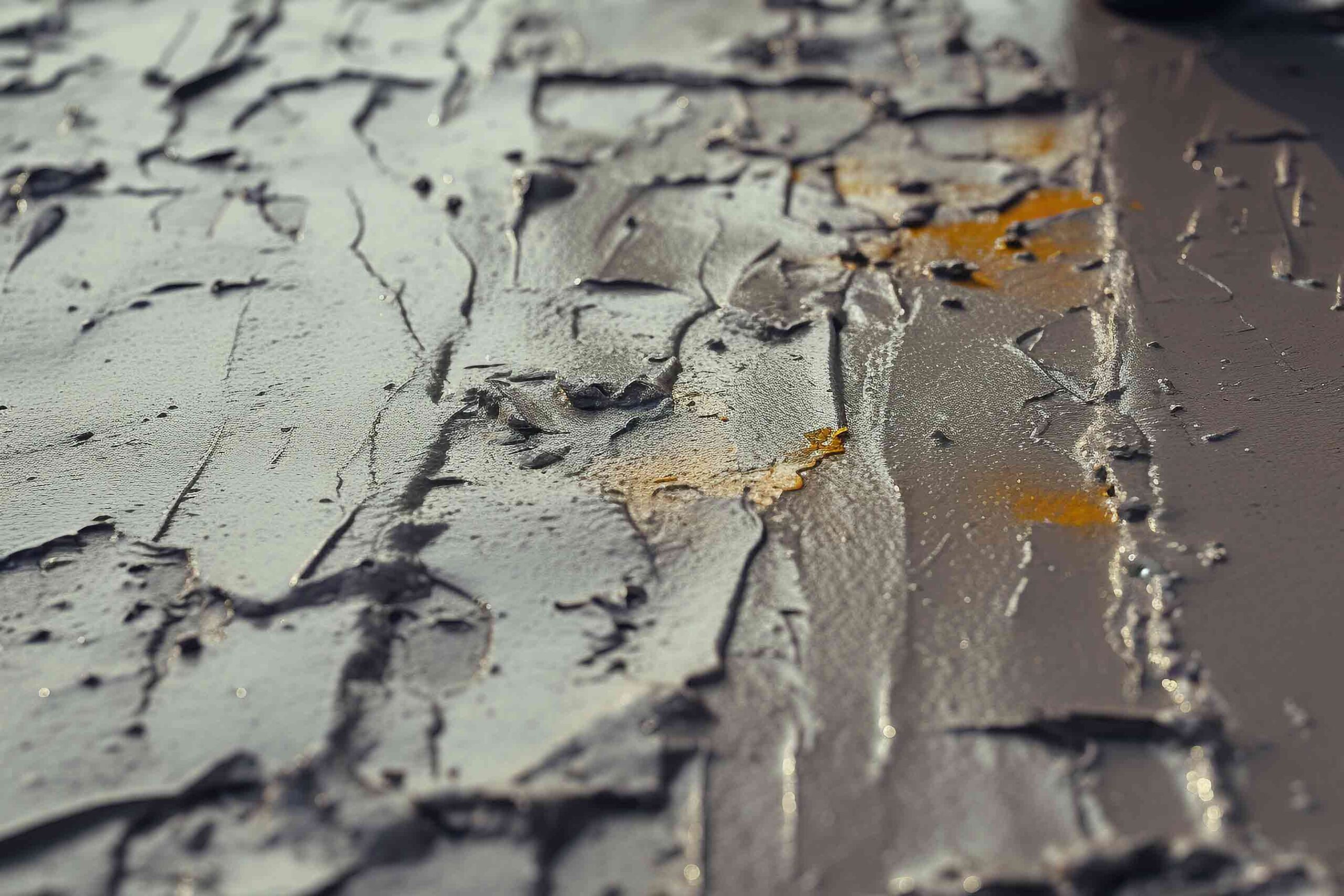
Standard RDP types (e.g., PVAc- or EVA-based) form thermoplastic polymer films. Their molecular chains contain numerous ester groups, which are prone to hydrolysis in the alkaline cement environment, generating hydrophilic hydroxyl and carboxyl groups. When water penetrates, these hydrophilic groups absorb moisture, causing the polymer film to swell, soften, and even undergo irreversible re-emulsification. Macroscopically, this results in a sharp drop in adhesive strength, interface debonding, and hollowing or cracking of the render layer.
Water-resistant RDP achieves improved water resistance through the following technical approaches:
Monomer optimization: Introduction of hydrophobic monomers (e.g., VeoVa, long-chain alkyl acrylates) to lower the film’s surface energy and water vapor permeability.
Crosslinking system design: Formation of chemical or ionic crosslinks between polymer molecular chains during film formation or later cement hydration, restricting chain mobility in water.
Protective colloid modification: Use of hydrolysis-resistant polyvinyl alcohol (PVA) or its derivatives as protective colloids to reduce the leaching of water-soluble components.
II. The "Four-Dimensional Evaluation Model" for Water-Resistant RDP Selection
Dimension 1: Basic Physical Parameters
Never overlook the basic parameters in the product Technical Data Sheet (TDS); they are the starting point for rapid screening.
| Parameter | Recommended Threshold | Practical Interpretation |
|---|---|---|
| Glass Transition Temperature (Tg) | For water-resistant types: -5°C ~ +10°C (for EIFS) or +5°C ~ +20°C (for tile adhesives/repair mortars) | Too low (< -10°C) leads to heat-tackiness and poor heat resistance; too high (>25°C) reduces flexibility and crack resistance. Water resistance does not correlate linearly with Tg; crosslinking density must also be considered. |
| Minimum Film Forming Temperature (MFT) | ≤ 5°C (critical for winter construction) | If MFT is higher than ambient temperature, film formation will be discontinuous, directly impairing water resistance. |
| Bulkdichtheid | 300–500 g/L | Too low may indicate hollow particles from spray drying, leading to uneven particle size distribution after redispersion and less compact film formation. |
| Ash Content (800°C ignition) | Typically 10%–20% (includes inorganic anti-caking agents) | Ash >25% may indicate excessive inert filler addition—a “diluted” product that warrants caution. |
Dimension 2: Core Mechanical Performance
This is the most non-negotiable step in the selection process. We strongly recommend that purchasers or formulators conduct their own comparative verification tests, rather than relying solely on supplier-provided typical data.
2.1 Mandatory Test: Wet Bond Strength (Ambient Water Immersion)
Reference standards: JC/T 547 (ceramic tile adhesives) or JC/T 985 (floor screed mortars) for water-immersion conditioning.
Practical procedure:
Prepare standard mortar specimens containing the test RDP (polymer dosage recommended at 1.5%–3.0% by weight of cementitious materials).
After 28d standard curing, fully immerse specimens in (23±2)°C water for 24h.
Remove, wipe surface moisture, and immediately test tensile bond strength.
Acceptance criteria: Wet bond strength ≥ 0.5 MPa (for C2-grade tile adhesives); and strength retention (wet strength / standard-cured strength) ≥ 60%. Truly excellent water-resistant products achieve retention rates above 75%.
2.2 Advanced Test: Hot-Water Aged Bond Strength (70°C immersion for 7d)
Why needed: Simulates high-temperature, high-humidity aging on summer-exposed facades or dark-colored exterior finishes.
Practical procedure: Immerse specimens in (70±2)°C hot water for 7d, then cool in (23±2)°C water for 24h before testing.
Acceptance criteria: Strength retention ≥ 50%. This parameter is the critical differentiator between “modified” and “truly water-resistant” products.
2.3 Critical Detail: Failure Mode Observation
After each pull-off test, observe and record the failure interface:
Cohesive failure (failure within the mortar layer): Indicates that the RDP effectively improves internal cohesion; good adhesion.
Adhesive/interface failure (failure between mortar and substrate): Indicates insufficient contribution to interfacial bonding—even if the numerical value passes, long-term water resistance remains a risk.
Dimension 3: Workability and Formulation Compatibility – "Good to Use" Ensures "Properly Used"
Even if water resistance is excellent, if the mortar exhibits severe rapid stiffening, bleeding, or drastically shortened open time, it will be rejected on the jobsite.
3.1 Effect on Cement Hydration
Water-resistant RDP may contain small amounts of acidic groups or ester groups that can retard Portland cement hydration. Practical verification:
Measure the setting time difference at standard consistency. Compared to a blank mortar, initial setting should not be delayed by more than 45 minutes; otherwise, in cold and humid conditions, “surface skinning with unset interior” defects may occur.
Monitor the early heat evolution peak using a semi-adiabatic calorimeter. If the peak is significantly delayed or reduced, consider adding an accelerator or adjusting the formulation.
3.2 Effect on Air Content
Spray-drying aids introduced during RDP production may entrain air. Practical method:
After mixing at the recommended water addition, test the mortar air content. For thick-layer applications (>10mm), 8%–12% air content can improve workability; but for zelfnivellerende mortels, air content must be strictly <3%, otherwise wear resistance and water-resistant bond performance will be significantly impaired.
3.3 Open Time and Adjustability Time
Test method: Under standard conditions, apply mortar to a substrate, place a tile at 5-minute intervals with pressure, and record the maximum interval at which the required bond strength (≥0.5MPa) is still achieved.
Requirement for water-resistant products: Open time should not be less than 20 minutes (for C2TE grade). If water-resistant modification shortens open time to under 15 minutes, a retarder or a more compatible cellulose-ether should be considered.
Dimension 4: Long-Term Durability – "Stress Tests" Beyond Standard Requirements
Meeting national or industry standards is merely a passing grade. For facades, swimming pools, wastewater treatment facilities, etc., the following extreme tests are recommended:
Freeze-thaw cycles (50 cycles) followed by wet bond strength testing: Refer to GB/T 4111 or JGJ 144. Check at every 25 cycles. A high-quality water-resistant product should show strength loss <30% after 50 cycles.
Alkaline solution immersion (saturated Ca(OH)₂ solution, 28d) : Simulates the highly alkaline pore solution during cement hydration. Some products that perform well in plain water immersion may undergo secondary hydrolysis in alkaline media, causing a sharp drop in strength. This is the key distinction between “physical” and “chemical” water resistance.
Accelerated carbonation followed by wet testing: Place specimens in a 20% CO₂ carbonation chamber for 7d, then test wet bond strength. Carbonation lowers the substrate interface pH, affecting the chemical anchorage between polymer and substrate.
III. Common "Fake Water-Resistant" Traps and Identification Techniques
In the market, some products use shortcuts to “falsify” water resistance data. Be alert to the following three traps:
| Trap Type | Method | One-Step Identification |
|---|---|---|
| High-Tg pseudo water resistance | Raising Tg (>30°C) to make the film hydrophobic, but sacrificing flexibility. | Test flexural/compressive ratio, or observe low-temperature (-10°C) bending toughness (brittle fracture = fail). |
| Filler-loaded “RDP” | Blending large amounts of ultrafine ground calcium carbonate or kaolin into the RDP to reduce cost, but reducing effective polymer content. | Request organic matter content data; require it to be ≥80% (after deducting inorganic carriers from ash). |
| Poor redispersion with small particle size | Inferior spray-drying technology resulting in redispersed particle size >10μm, leading to incomplete film formation. | Dissolve 1g RDP in 10mL water, let stand for 2h, and observe sediment. A quality product should form a uniform milky white liquid with no significant sediment. |
IV. Supplier Screening and Incoming Quality Control Recommendations
Even for the same brand, batch-to-batch variations in water-resistant RDP can occur. We recommend establishing the following Incoming Quality Control (IQC) rapid workflow:
Every batch – Check appearance (white free-flowing powder, no lumps), pH (1% aqueous solution, should be 6.0–8.5), and sieve residue (0.2mm sieve, ≤1.0%).
Weekly spot-check – Prepare standard mortar and test 24h wet bond strength – this test is simple, quick, and effectively detects batch-to-batch quality degradation.
Quarterly full test – Send samples to a third-party lab for hot-water aged wet strength en freeze-thaw cycles as a core annual supplier review criterion.
Conclusie
The selection of water-resistant redispersible polymer powder is not a matter of optimizing individual technical parameters, but rather a judgment of compatibility between the polymer system and the overall functional requirements of the mortar formulation. The reliability of the selection decision depends on addressing three progressive levels of inquiry: first, whether the chemical structure of the polymer inherently possesses the thermodynamic basis for hydrolysis resistance and hydrophobicity retention; second, whether, after film formation in the alkaline cement environment, its crosslinking density and compactness are sufficient to maintain mechanical integrity under prolonged wet conditions; and third, whether the aforementioned performance is reproducible in mass production.
Without these three levels, no single indicator—whether initial bond strength, Tg value, or unit price—can constitute a sufficient basis for decision-making. Particularly for service scenarios such as facades, wet areas, and freeze-thaw environments, water resistance is essentially the long-term response capability of the mortar system under the coupled effects of wet-dry alternation, temperature variation, and chemical attack. Consequently, the core of the selection process must center on extreme-condition tests including heat aging, alkaline solution immersion, and freeze-thaw cycling, rather than treating ambient-temperature immersion data as the final evaluation endpoint. No necessary linear extrapolation exists between short-term indices and long-term behavior—this recognition should permeate the entire verification workflow.